


COURSE RATER GUIDE
Architect: Doug Carrick (1992)
#56 - SCOREGolf Top 100 Golf Courses in Canada
#22 - SCOREGolfTop 59 Canadian Public Courses
HEATHLANDS COURSE
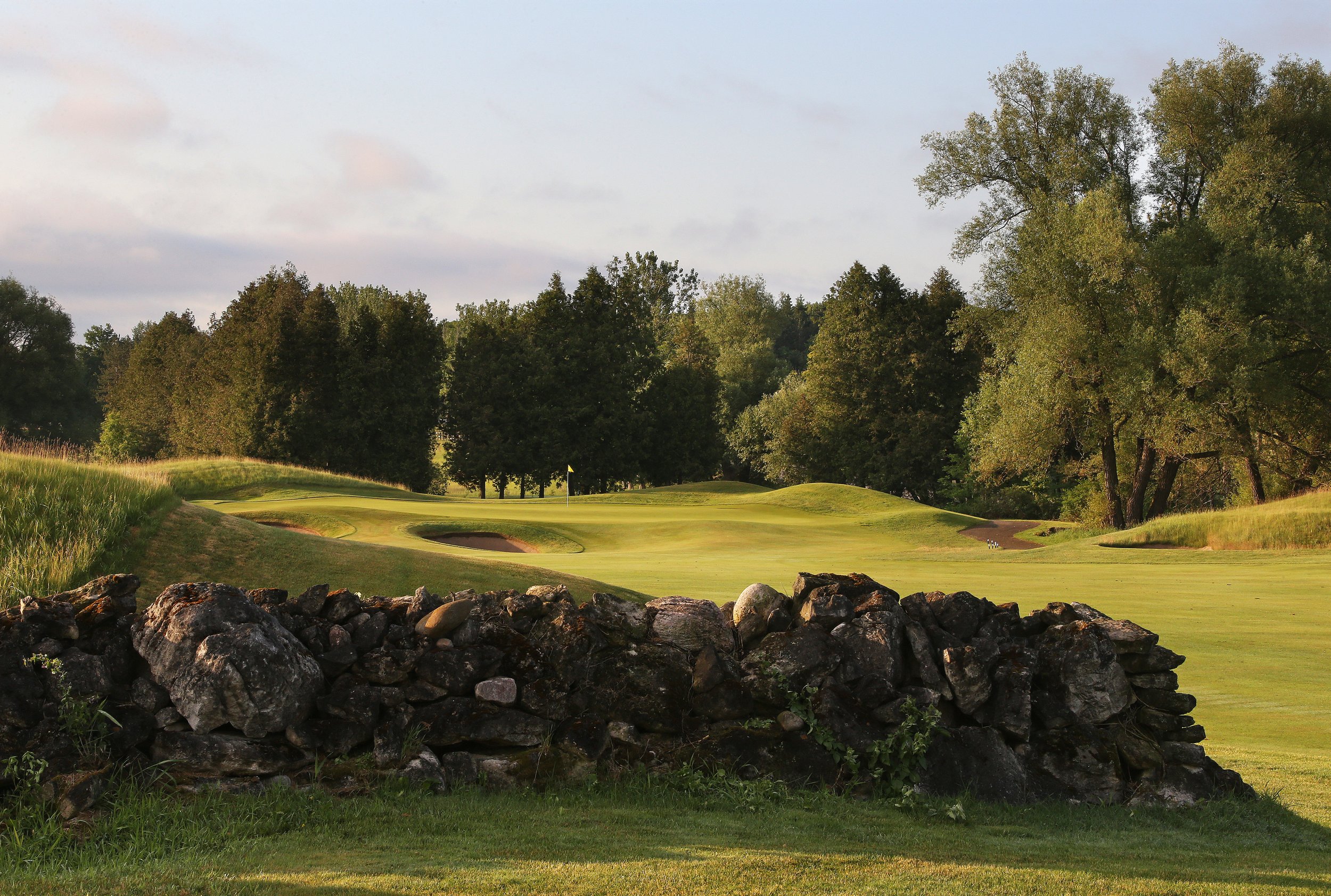
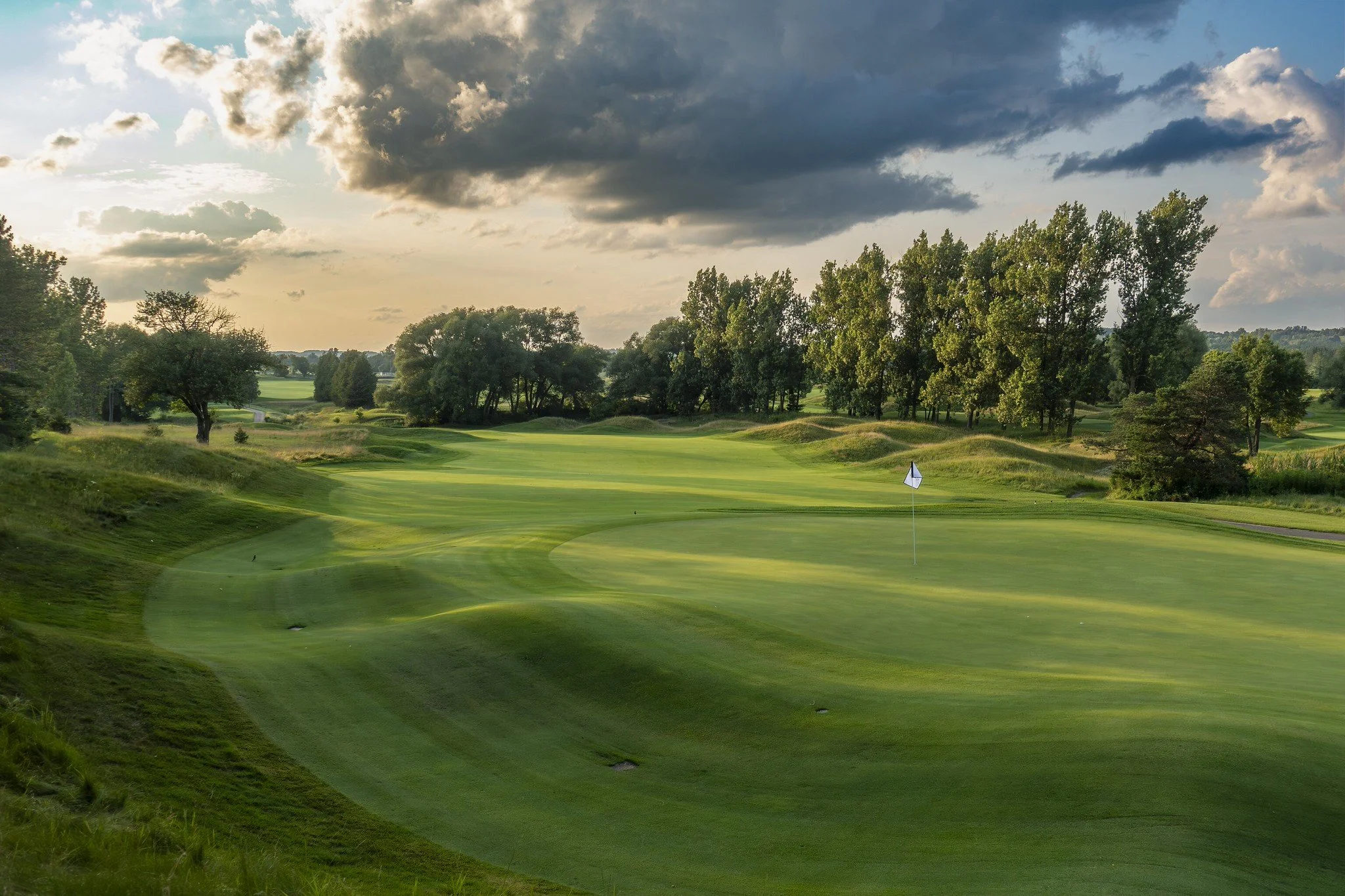
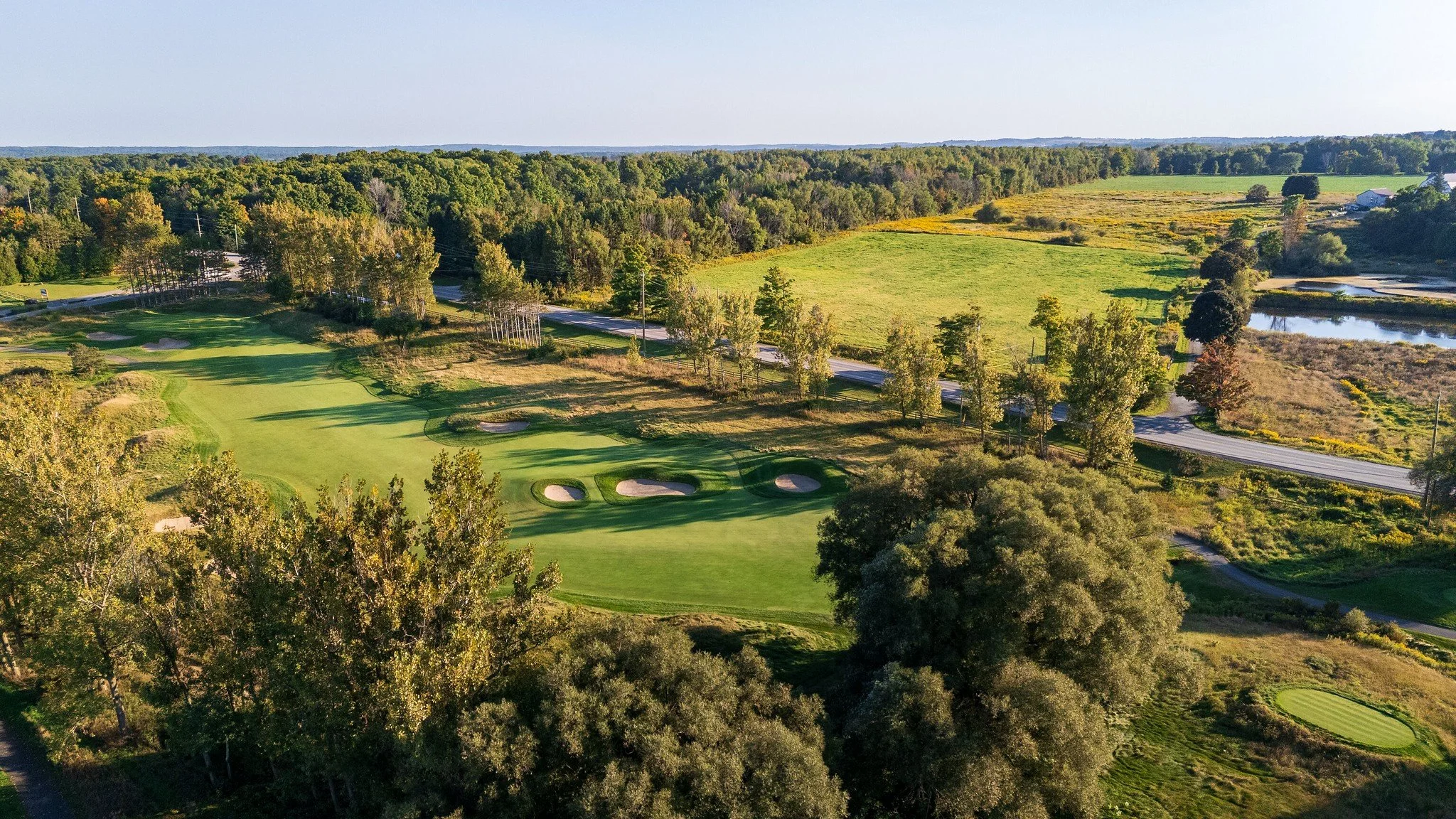
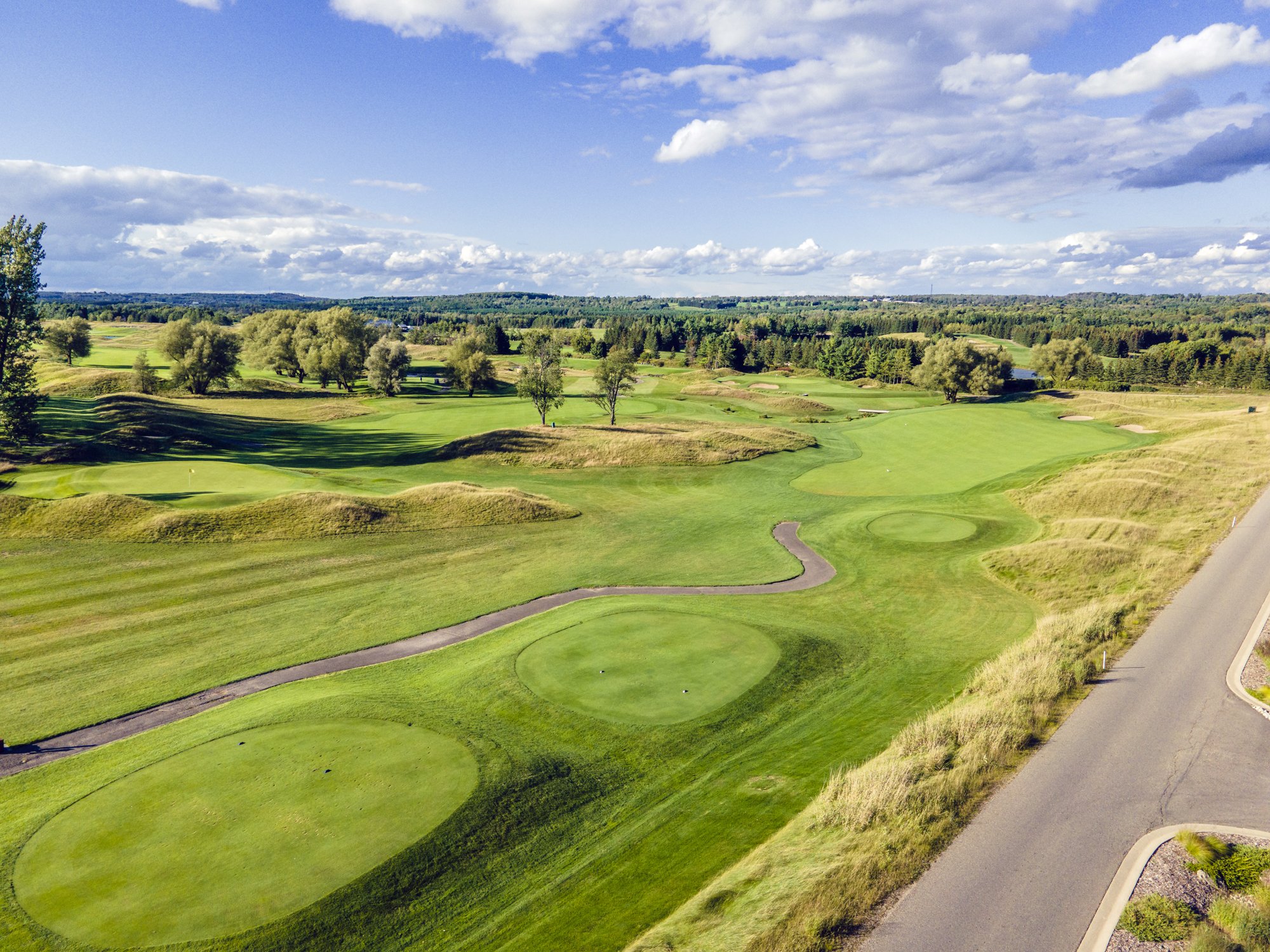
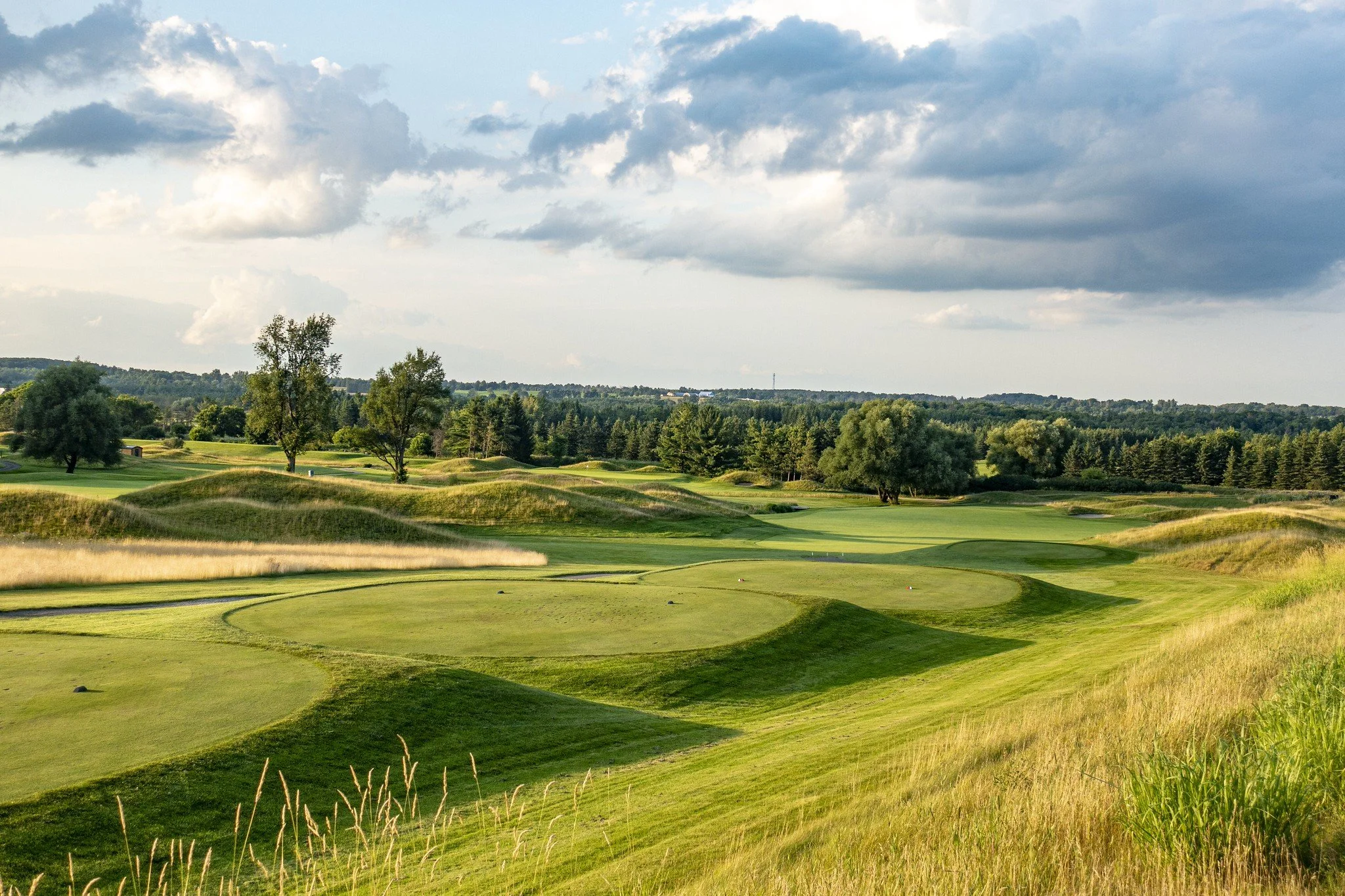
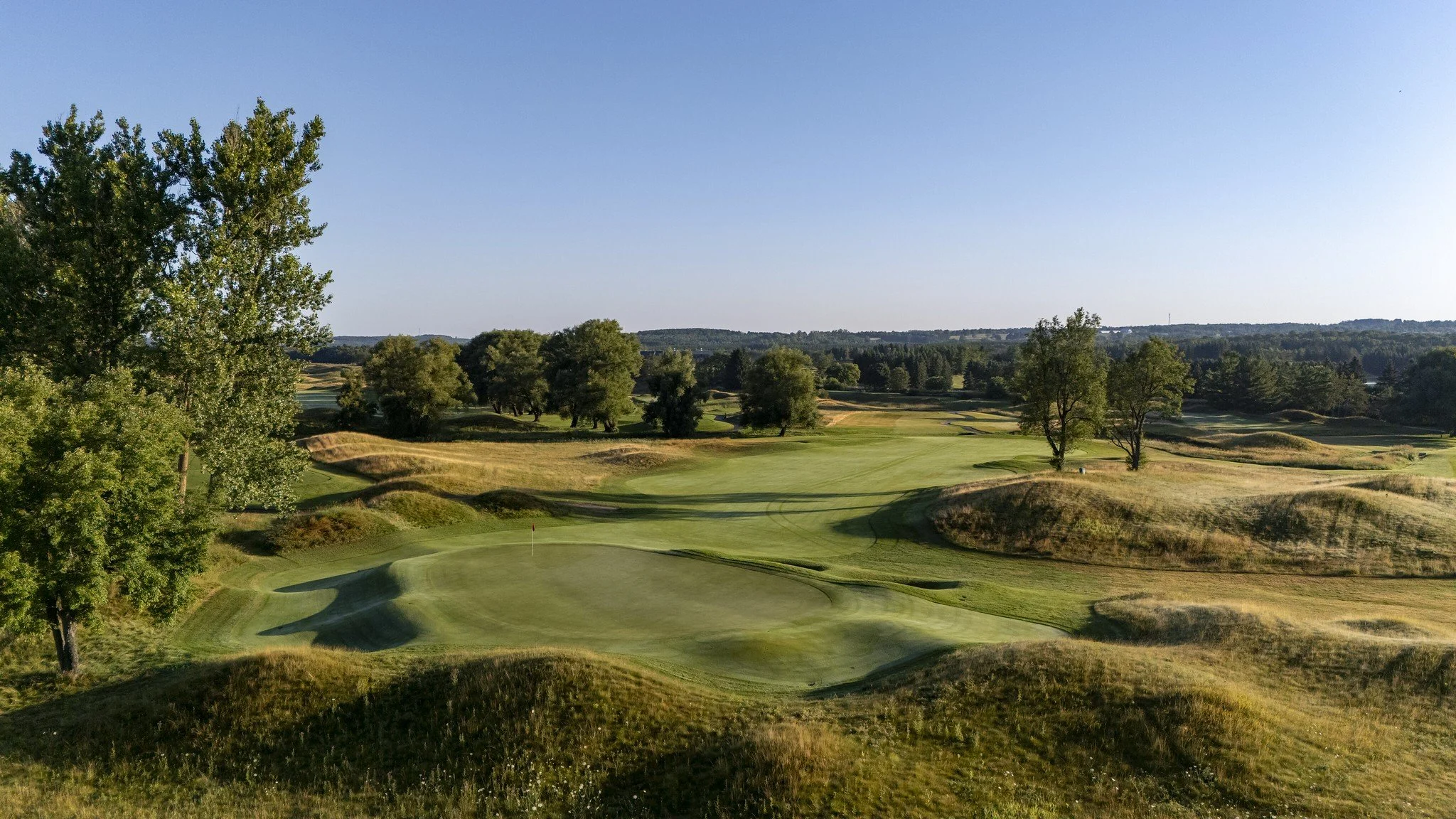
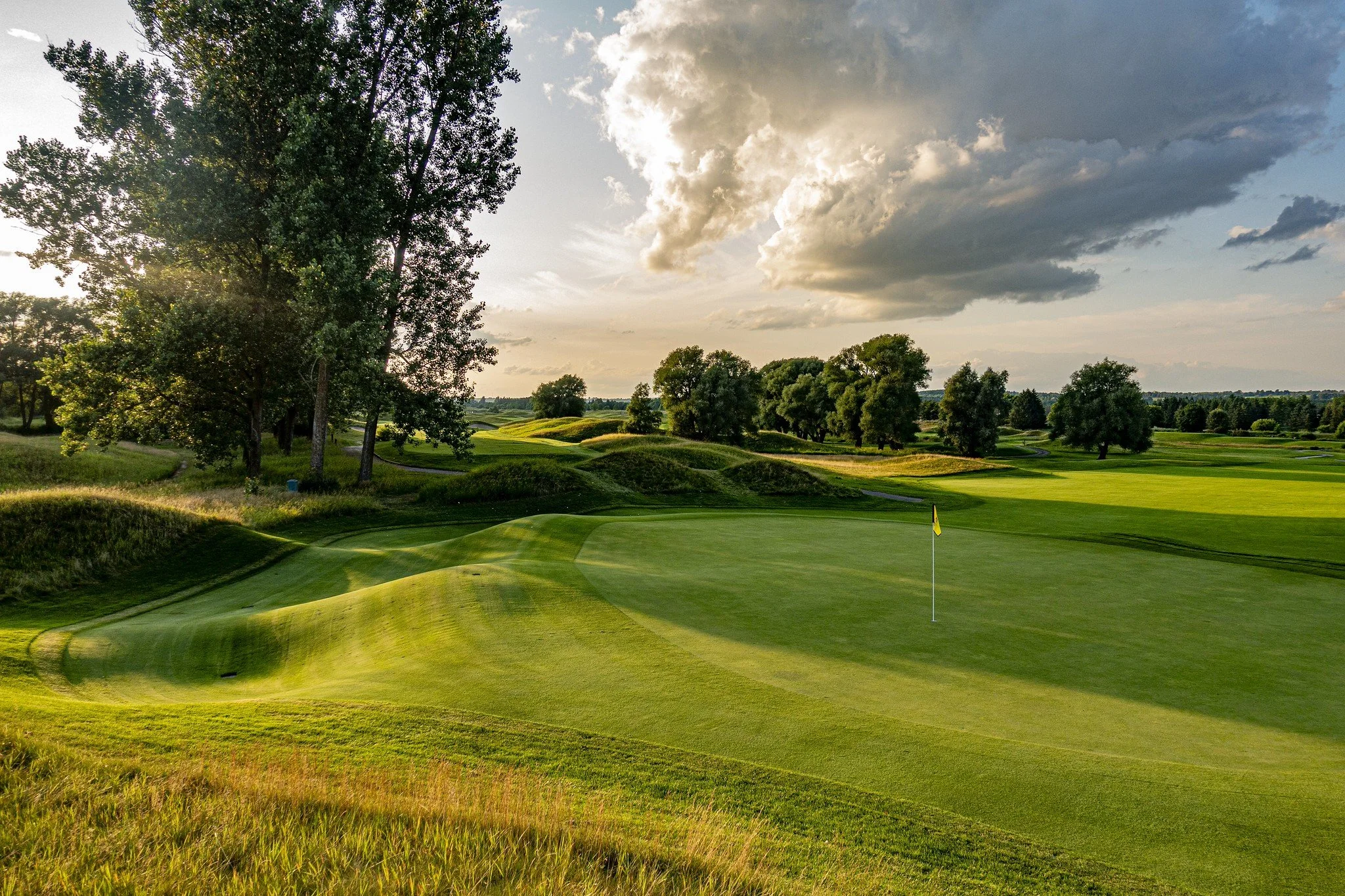
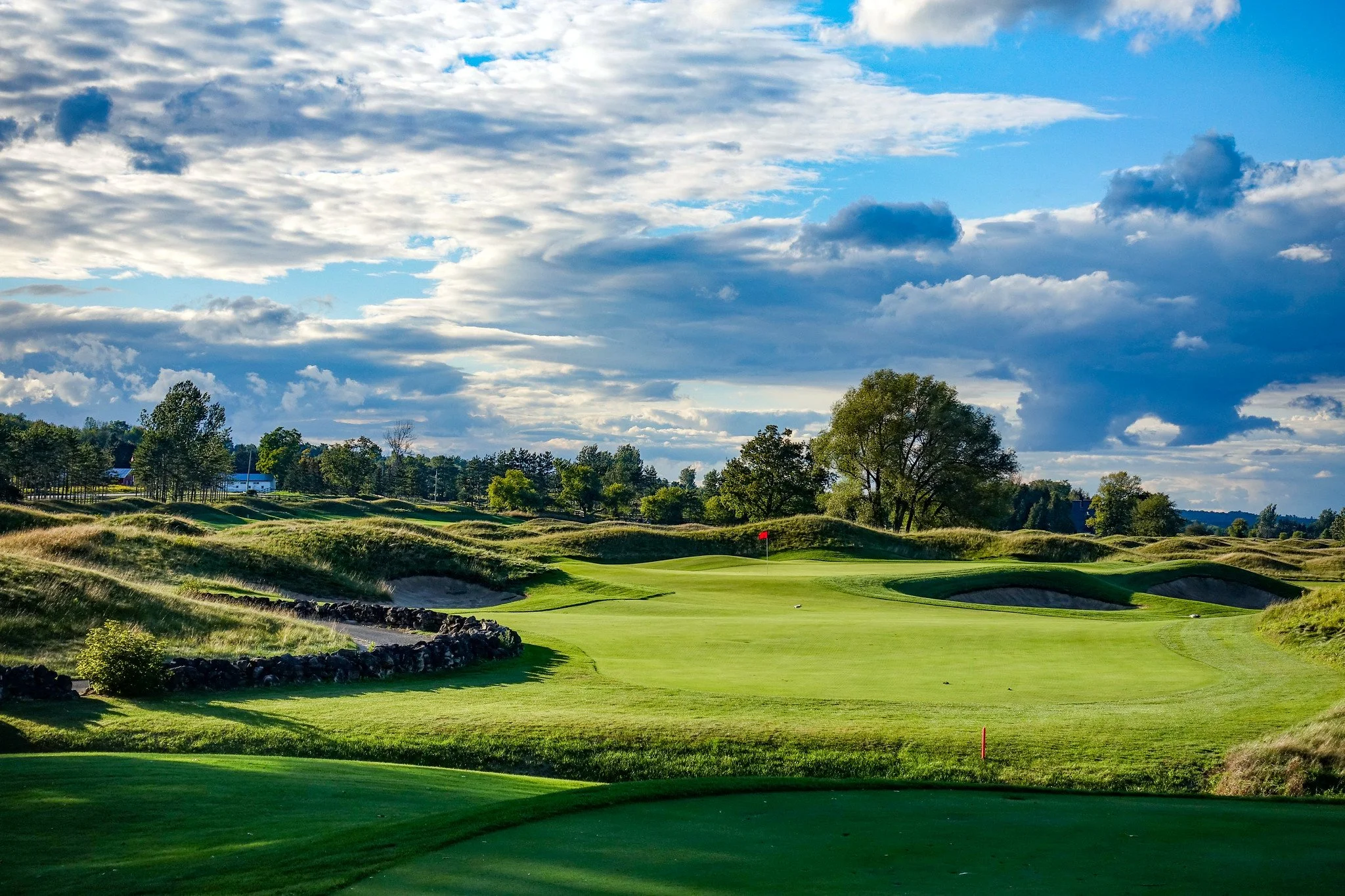
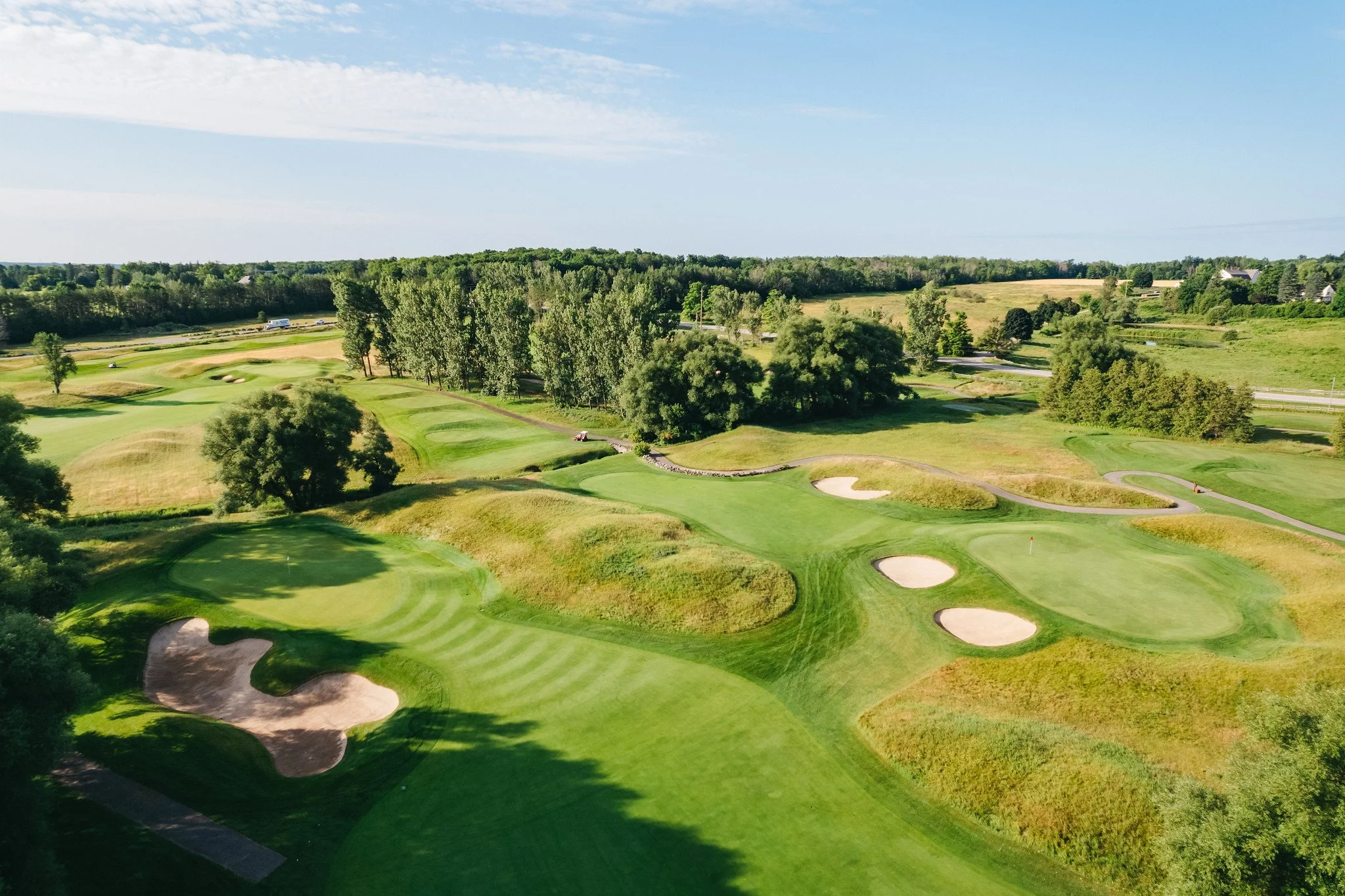
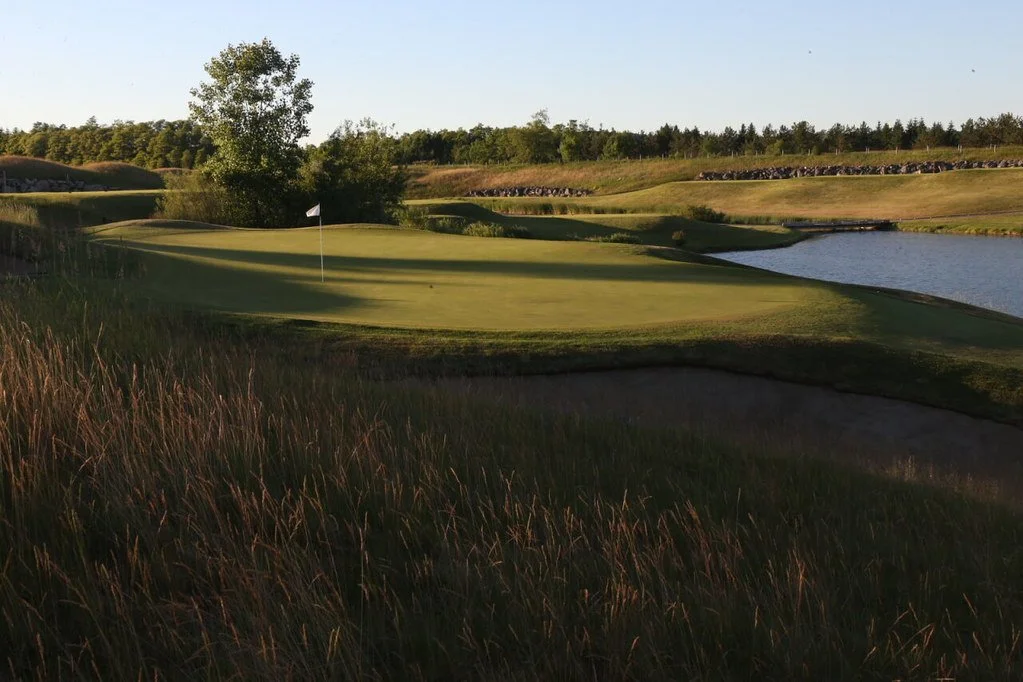
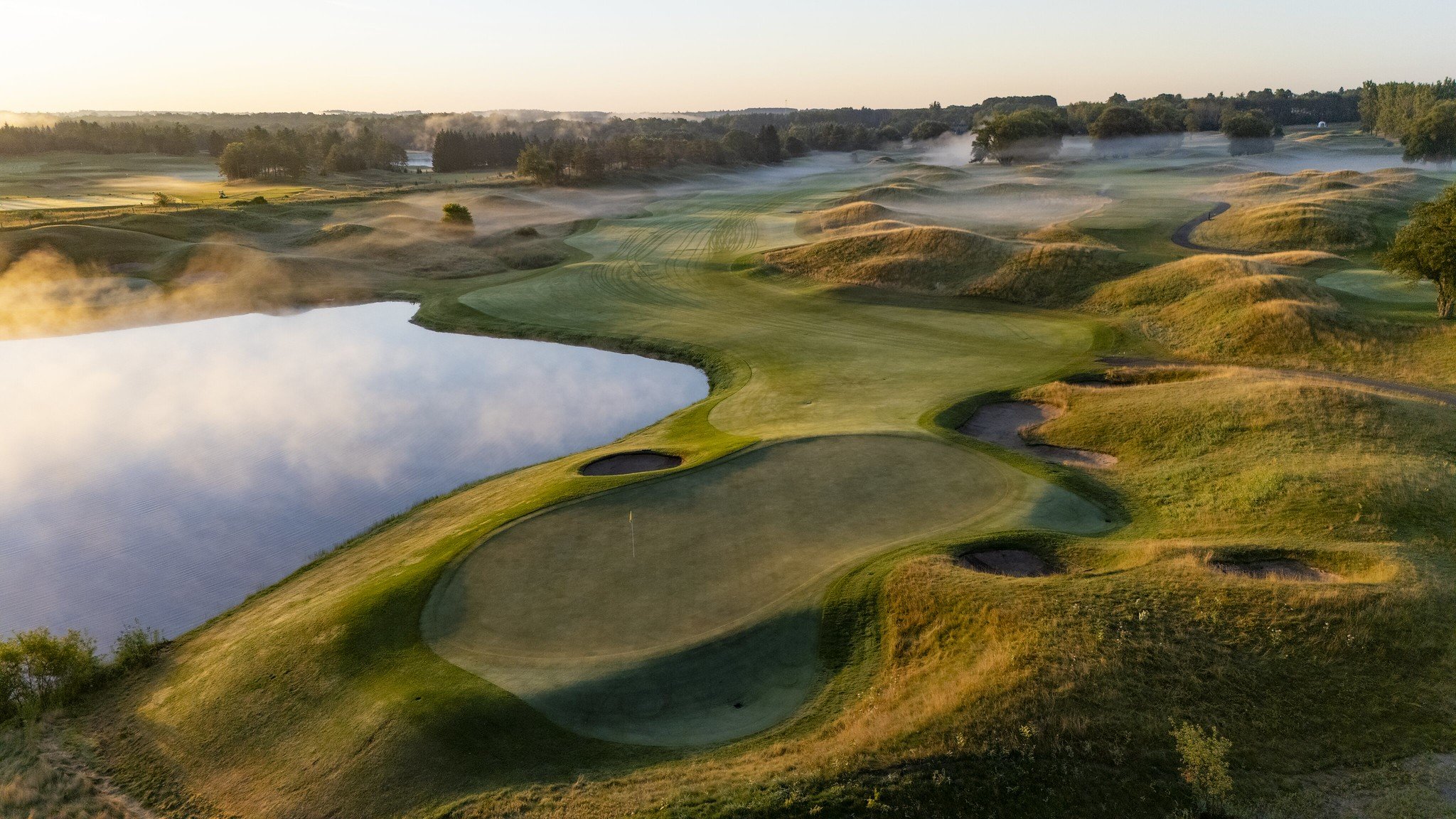
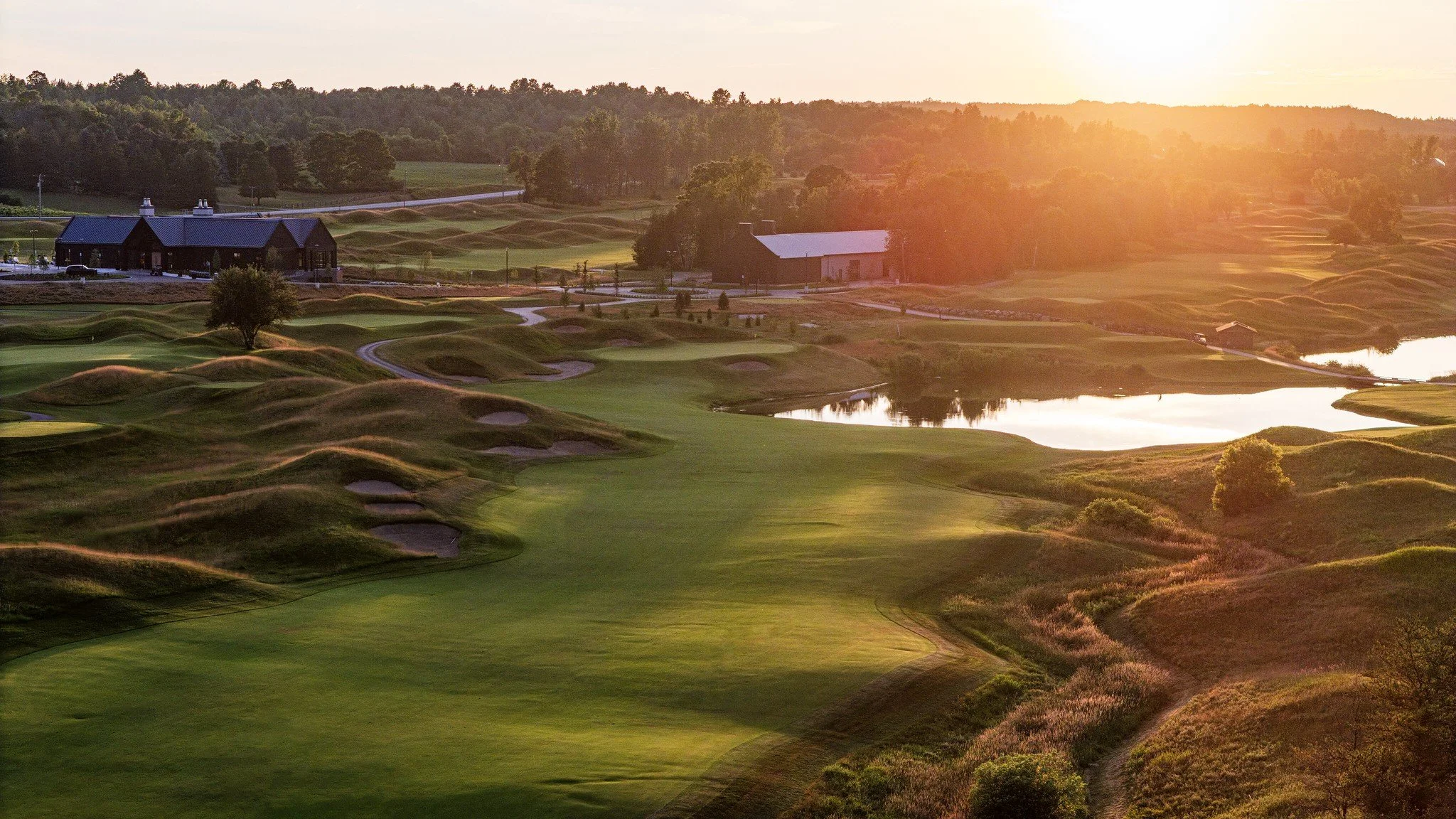
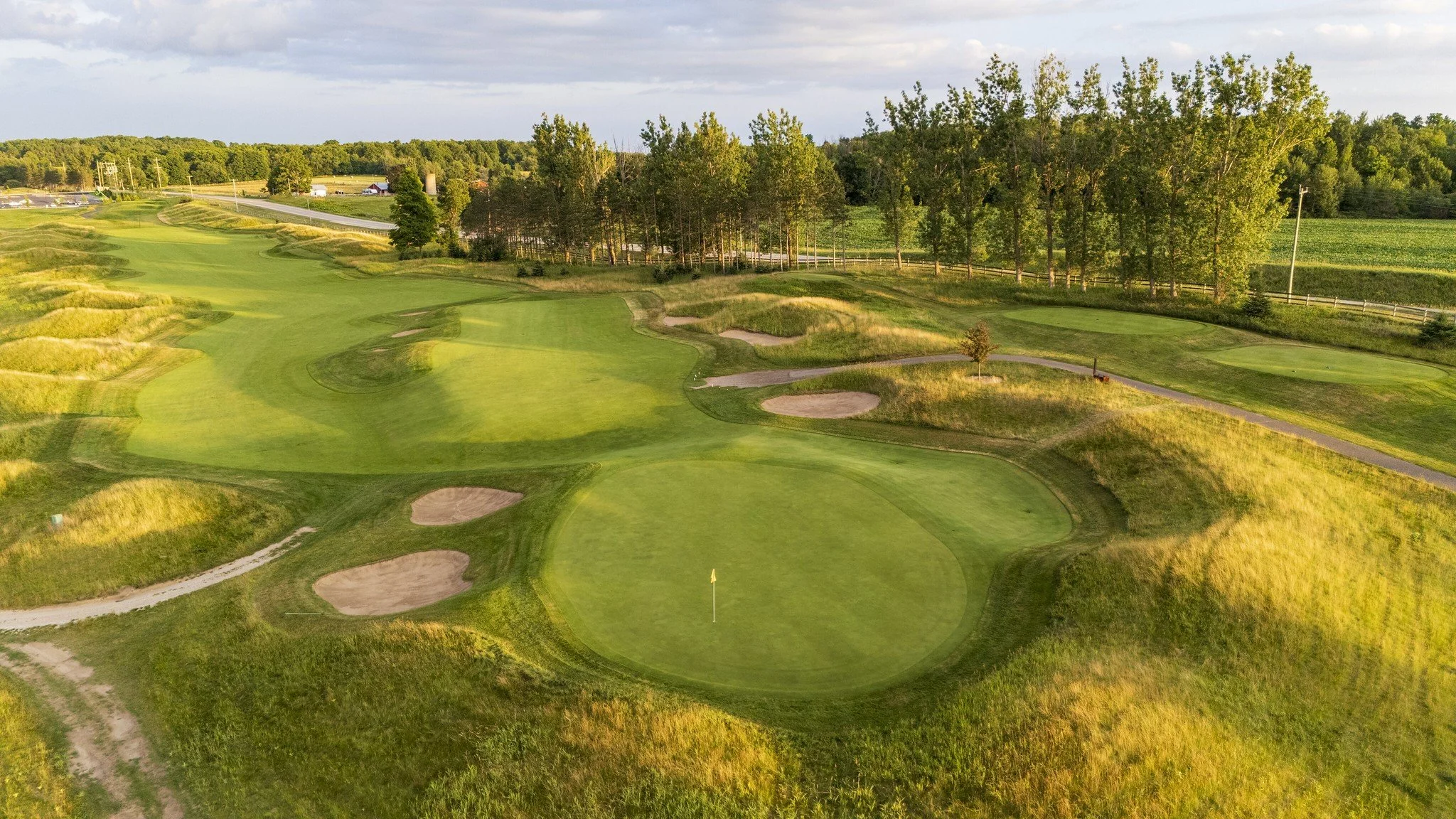
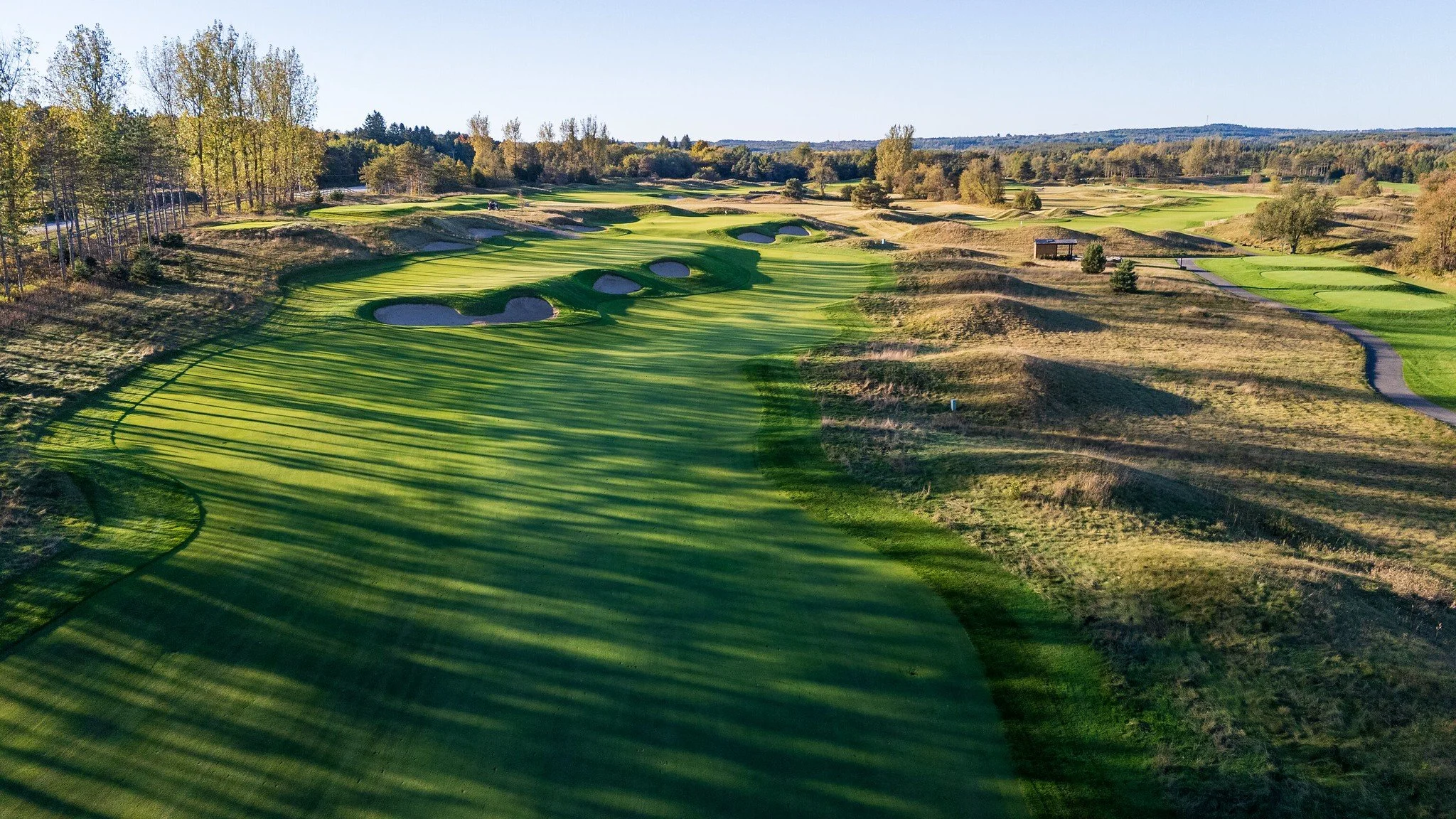
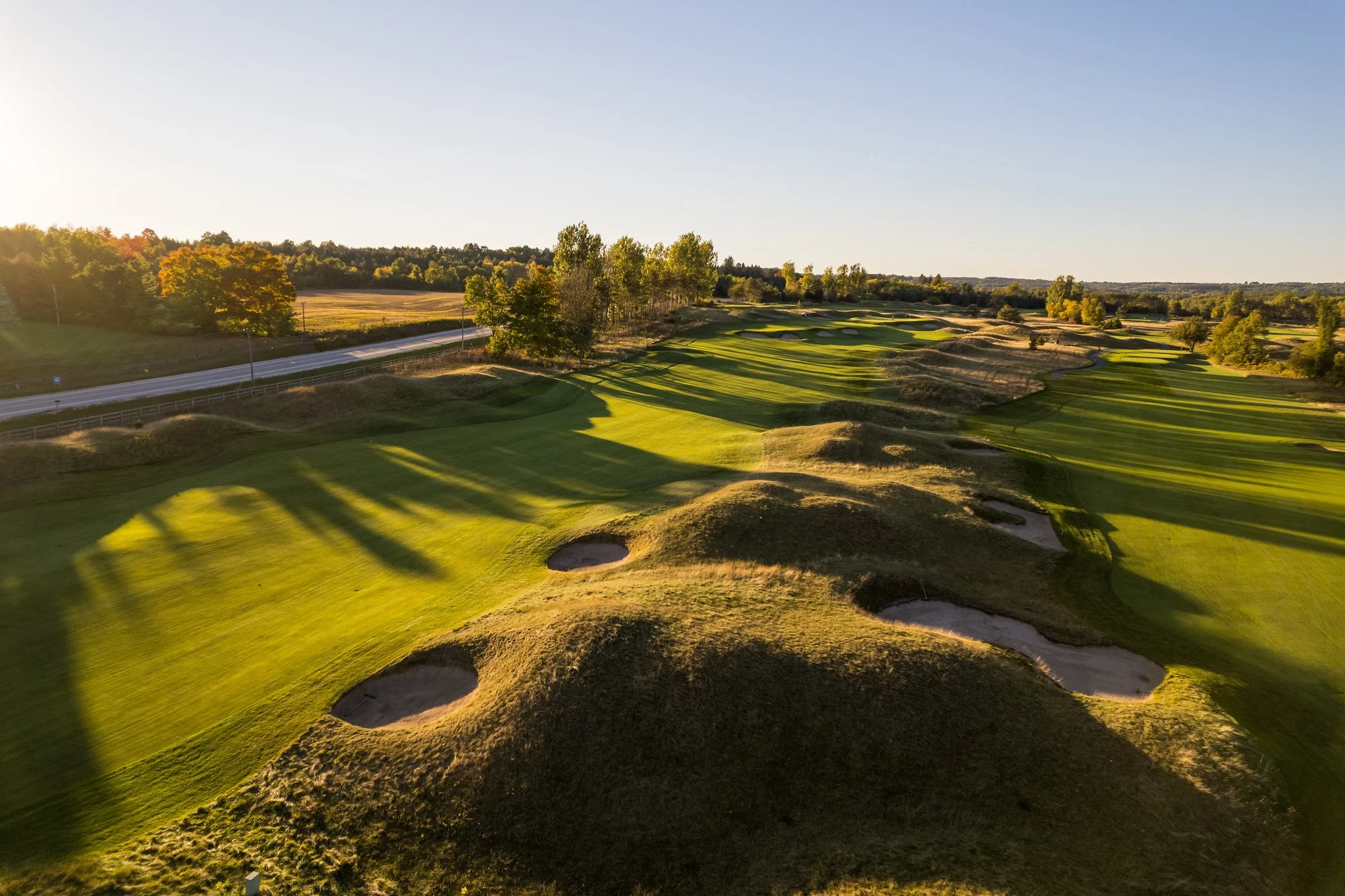
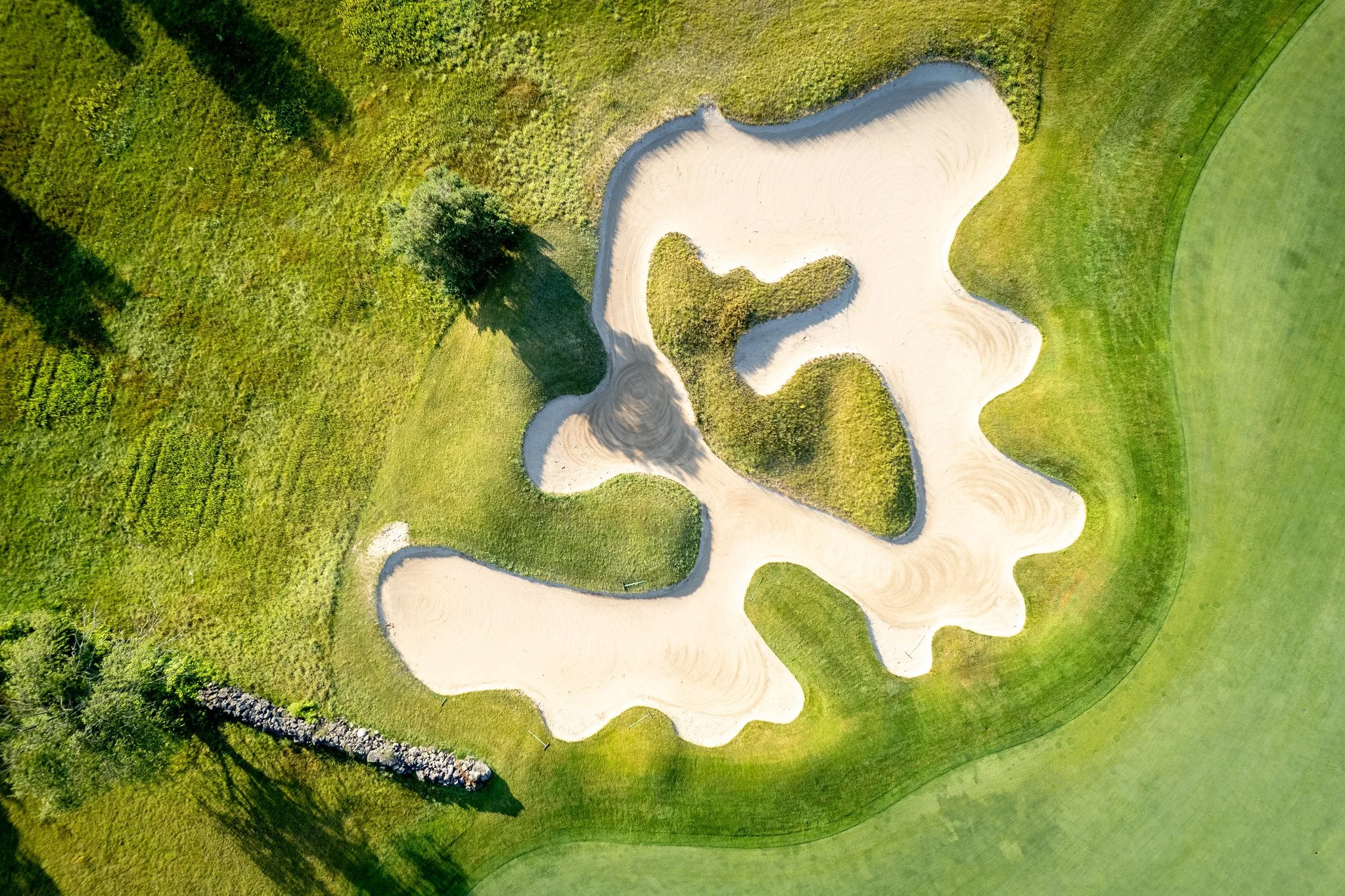
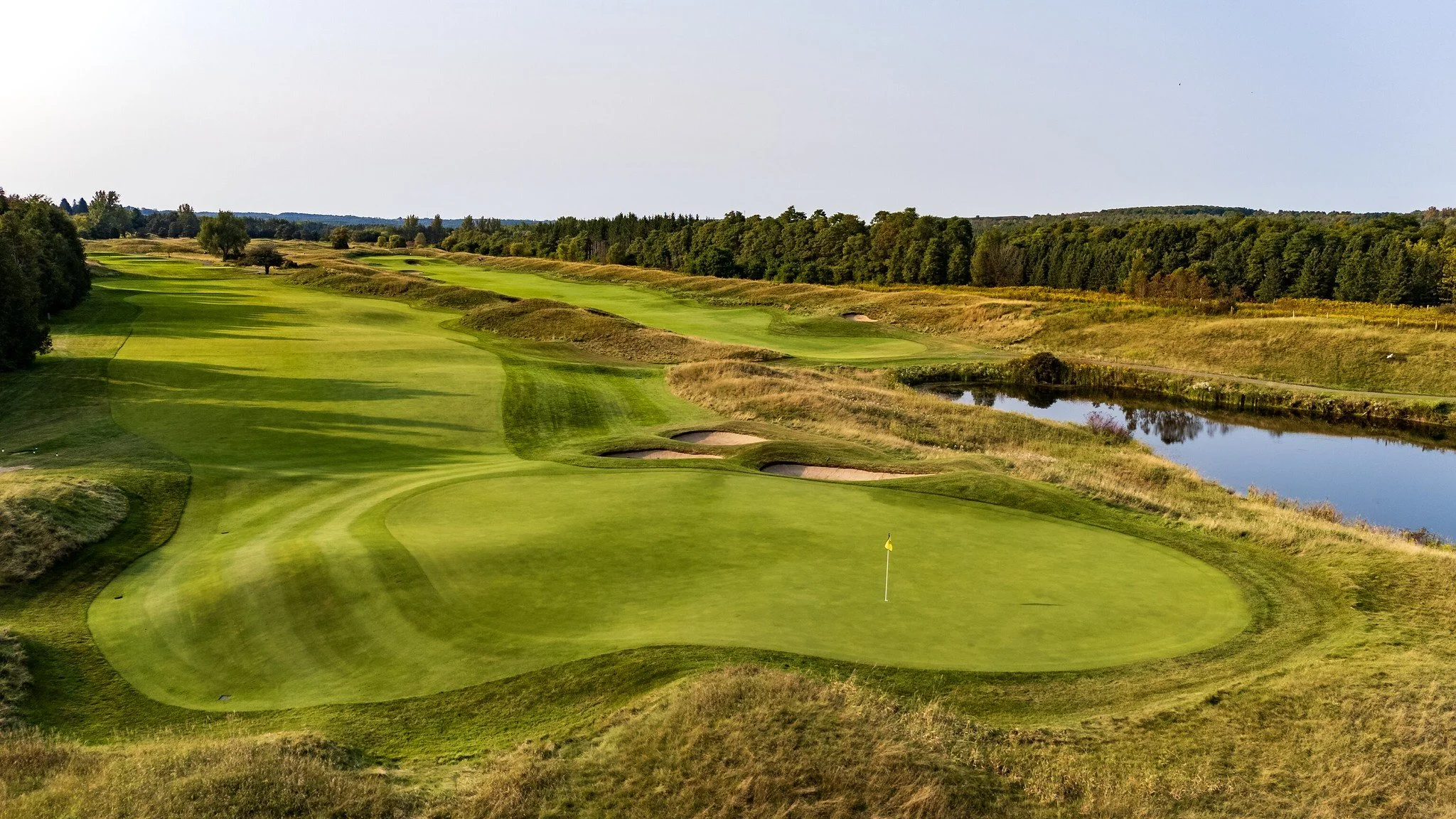
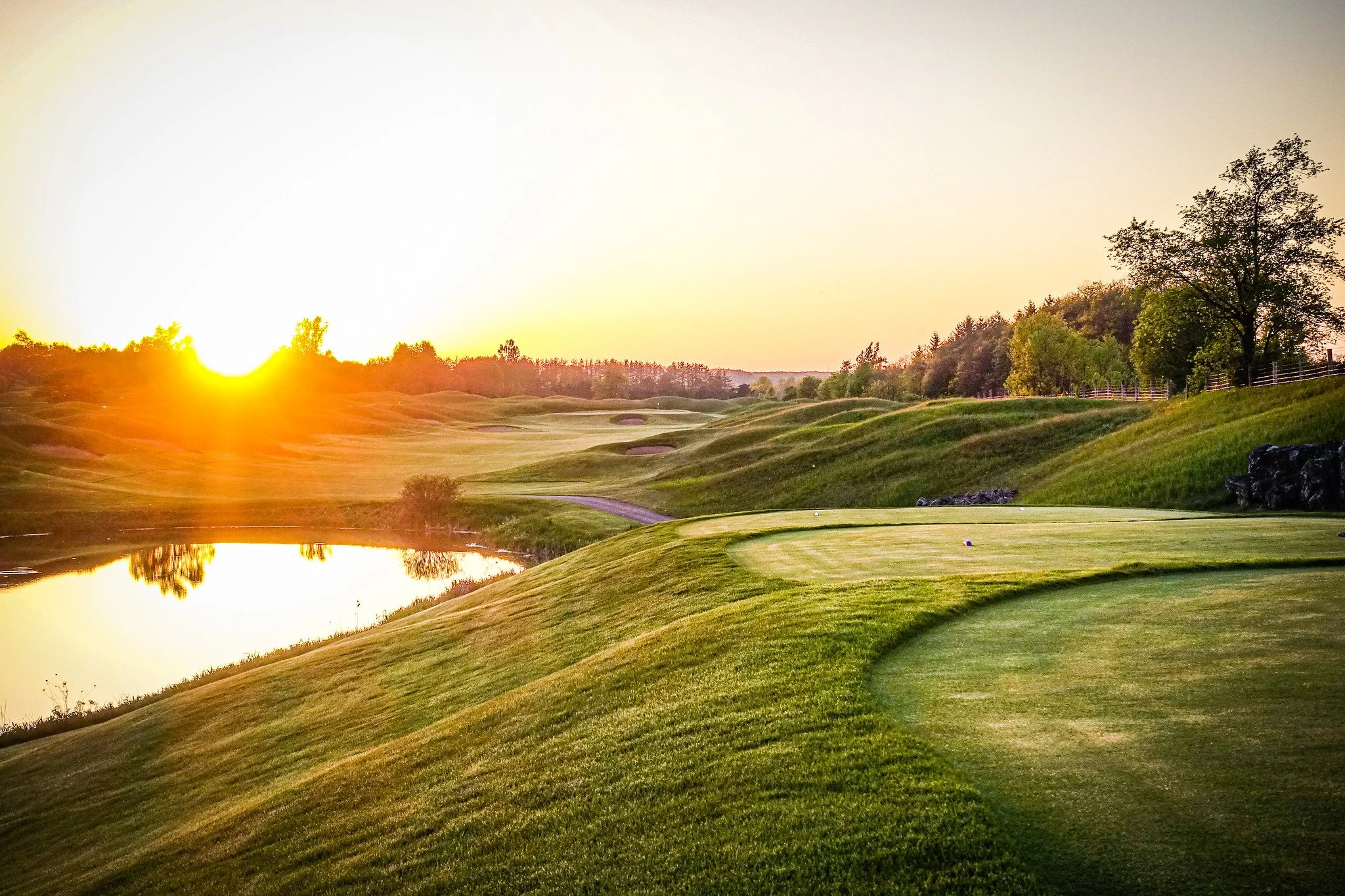
Inspired by Ireland’s Portmarnock Golf Club, the Heathlands course’s fescue-covered dunes, pot bunkers and severely-sloped greens pay homage to classic golf design with one of the truest tests in Ontario.
Opened in 1992 and once the carefully-guarded secret of local aficionados, the course has become a favourite of those seeking the charm of traditional links courses and a stirring challenge.
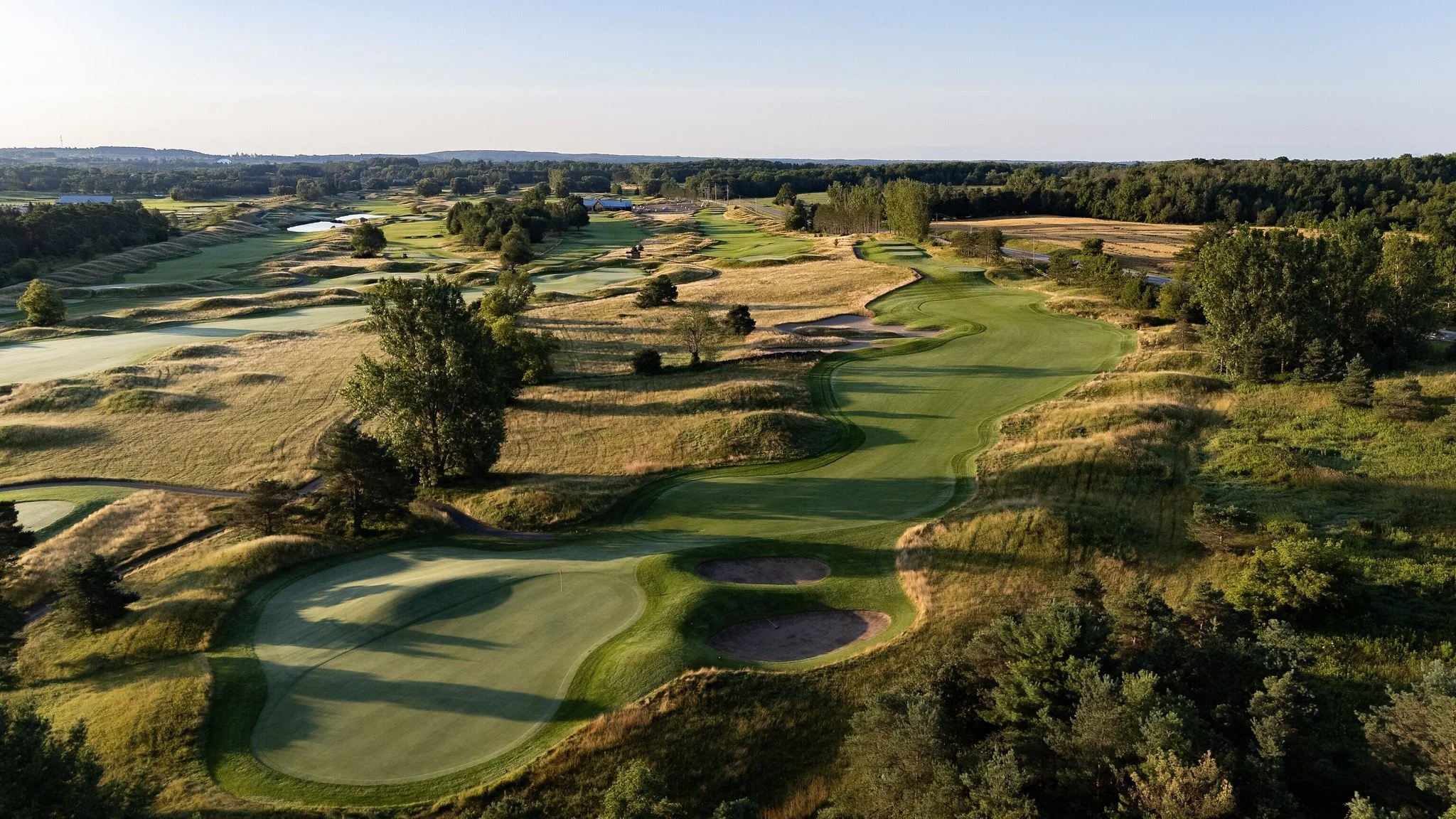
“The Heathlands course was the first on the property and Doug Carrick’s initial try at a links-style layout. He pulled it off brilliantly, and the course continues to hold up as one of the strongest tests in Canada.”
– Jason Logan, SCOREGolf
HOLE-BY-HOLE GUIDE

1ST HOLE
PAR 5 | 515 YARDS
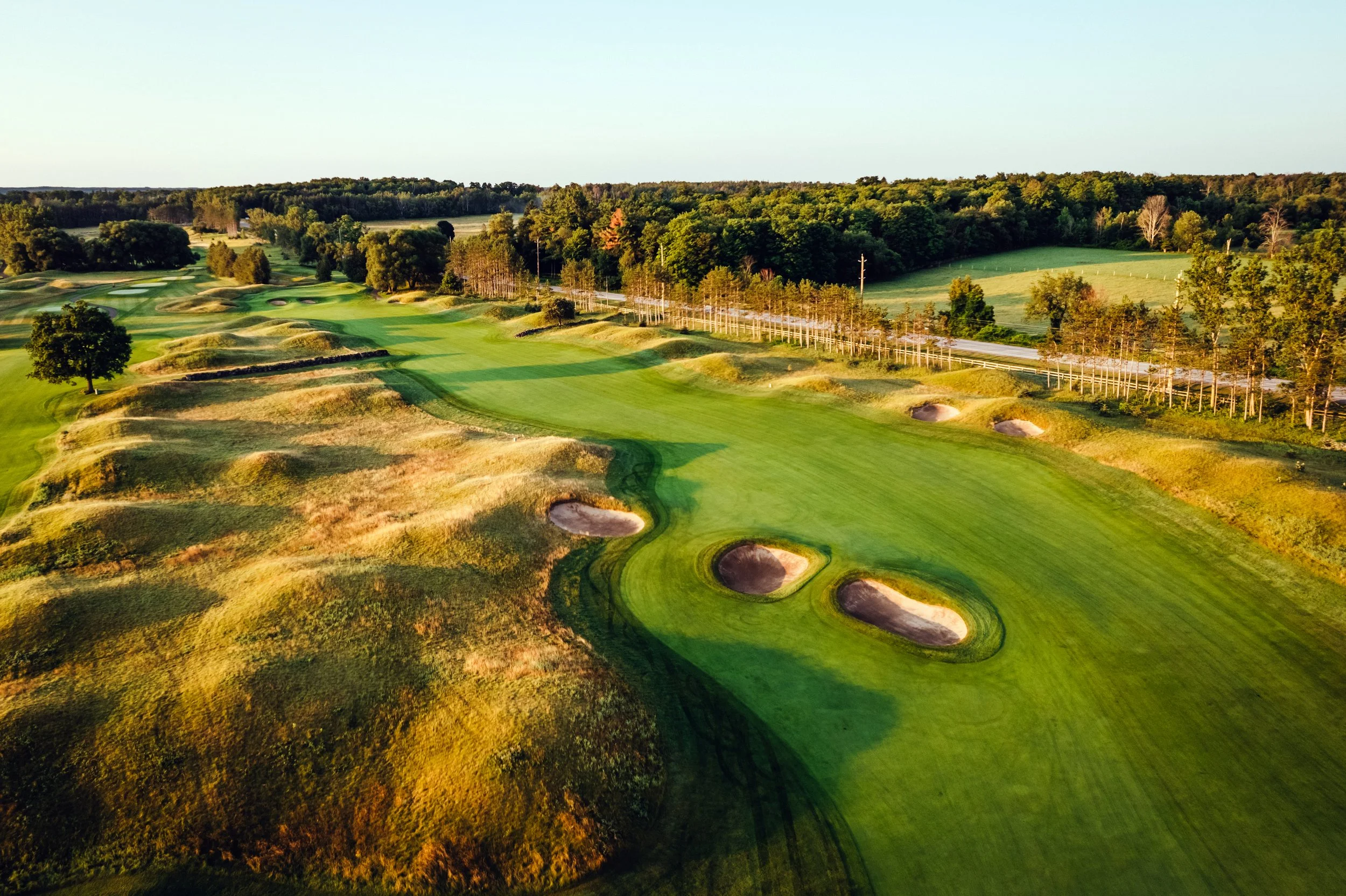
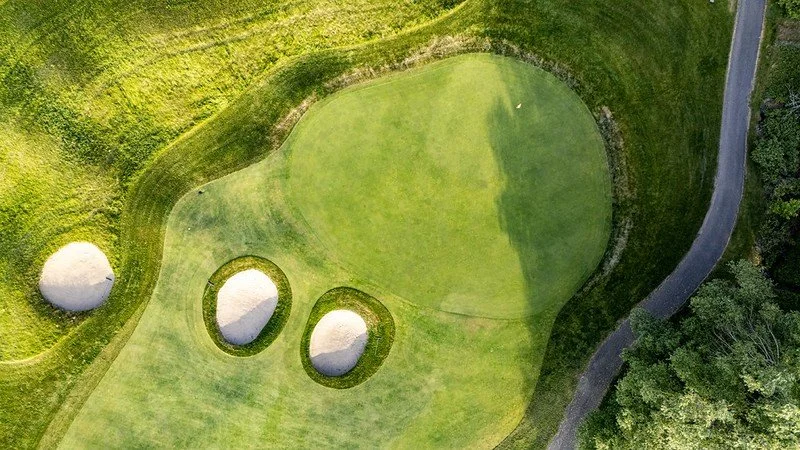
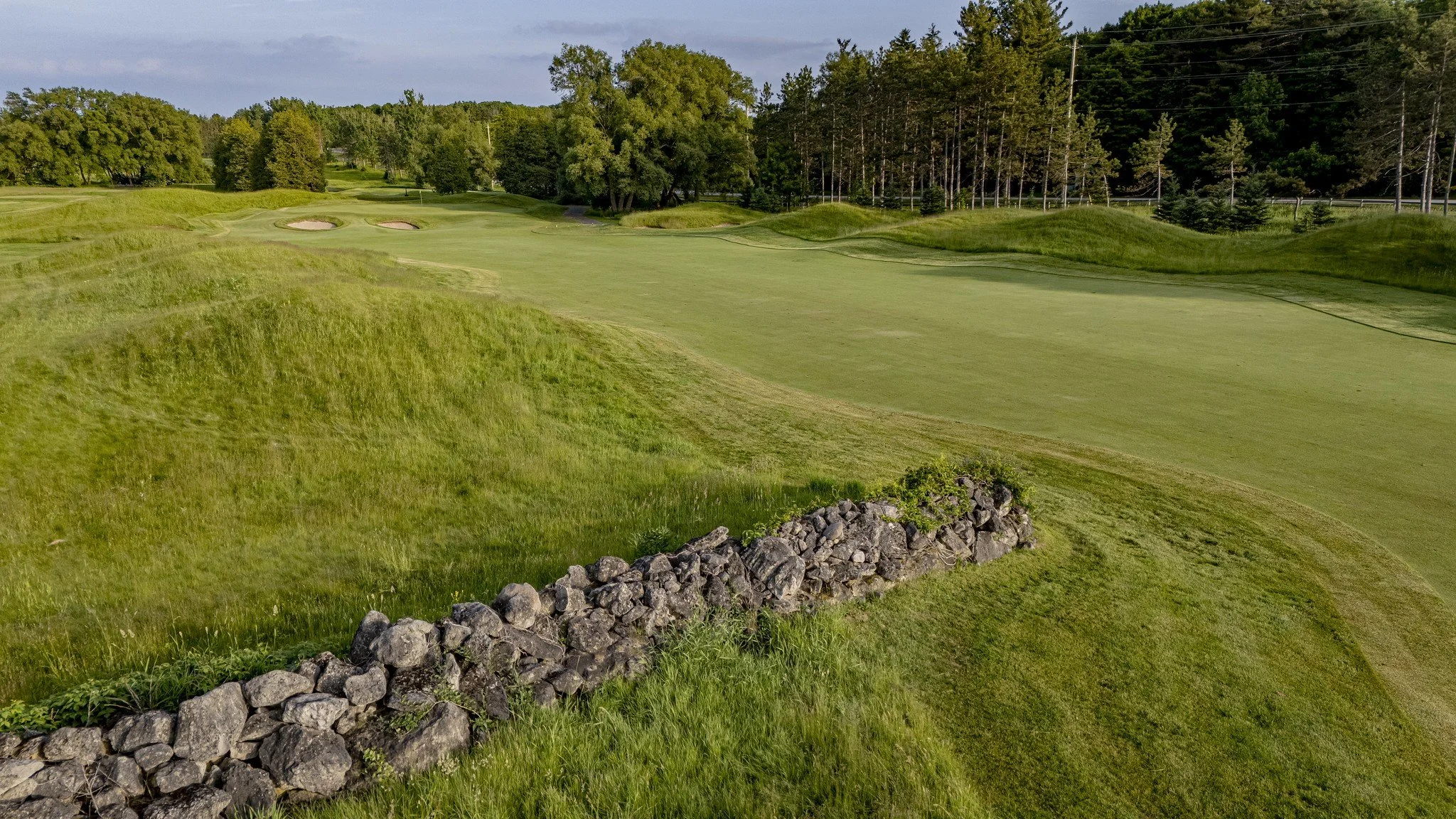
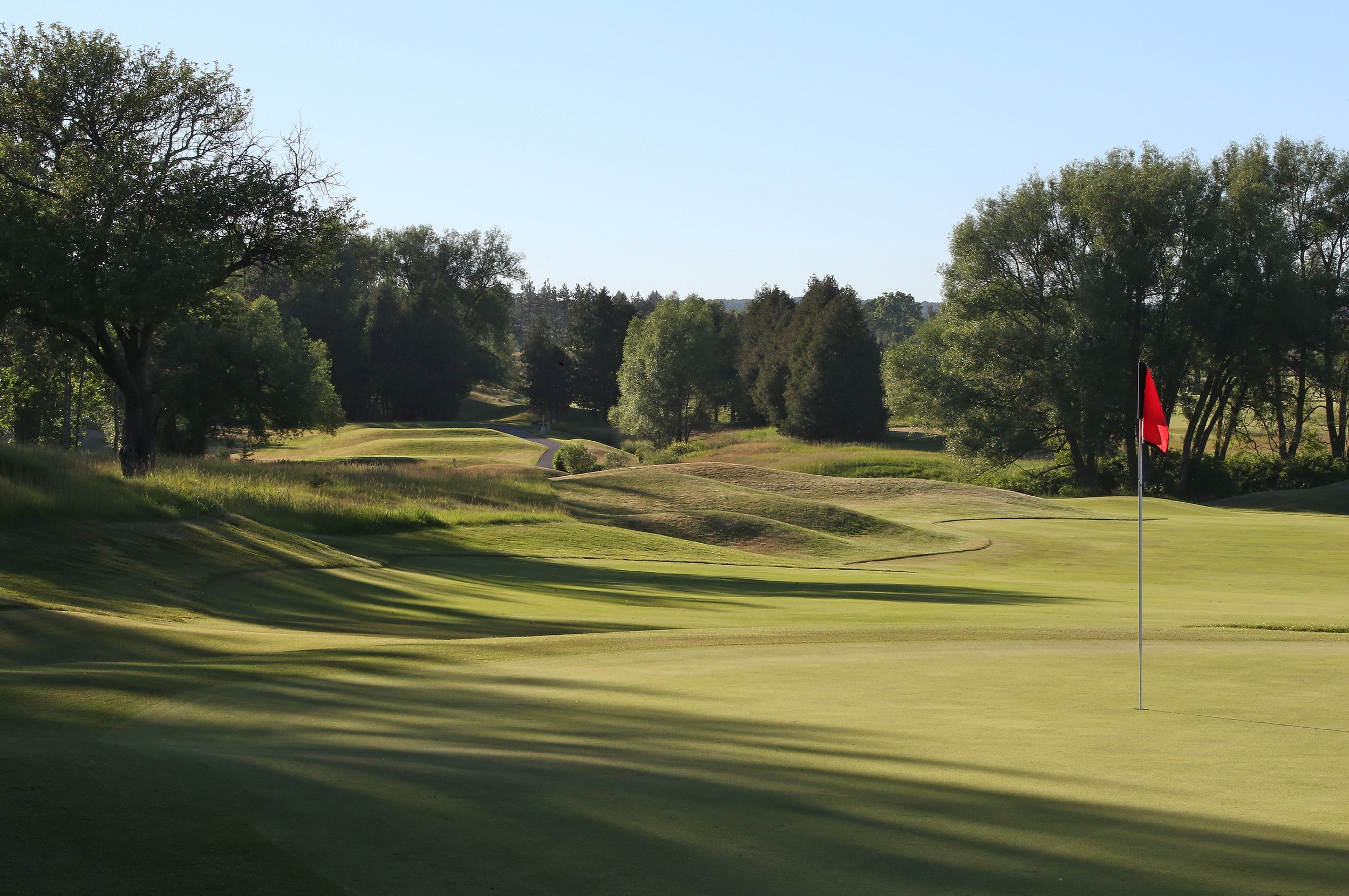
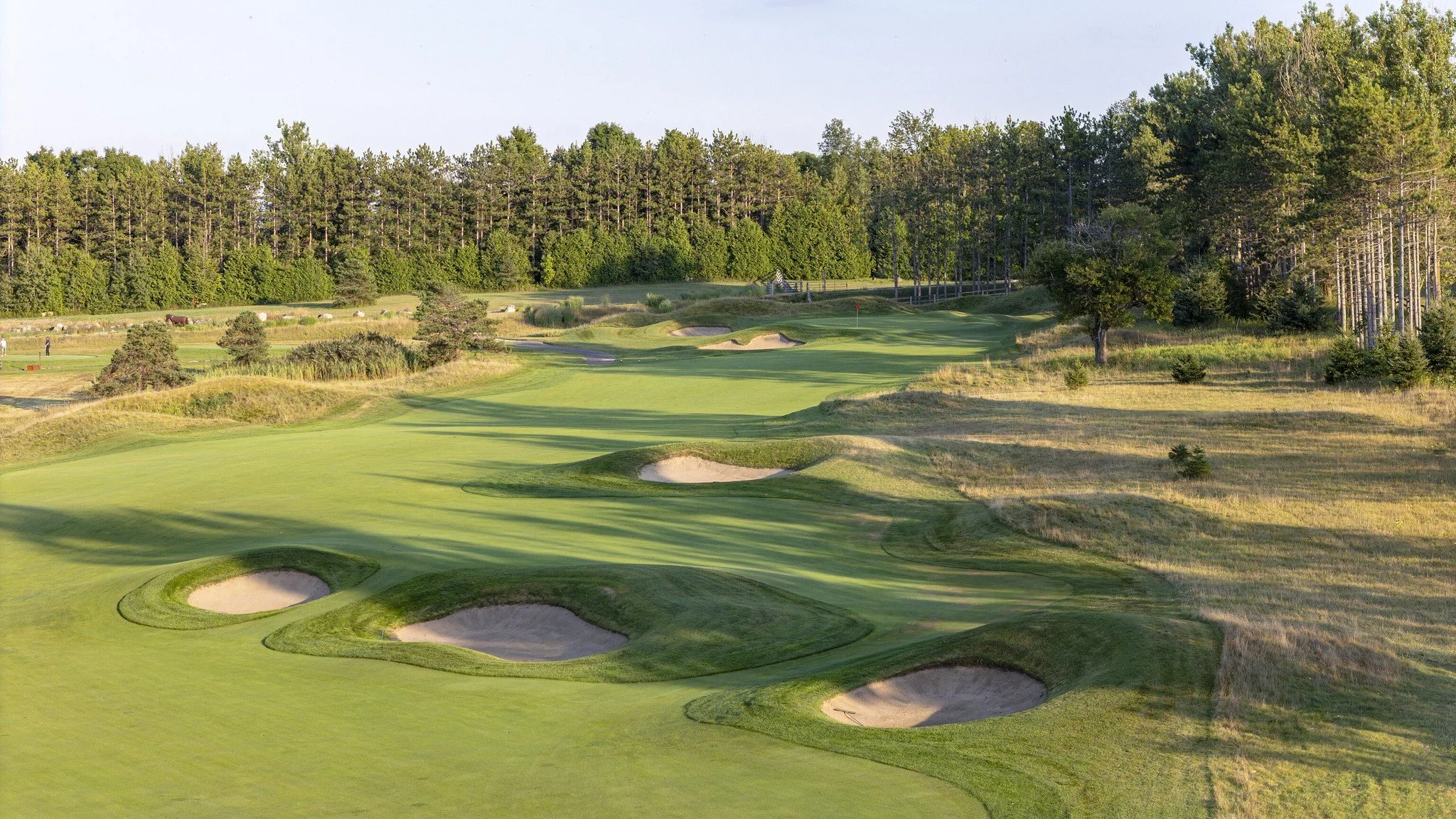
A gentle dogleg left par-5 offers players a chance to declare their intentions for the day, with a both a bold line over the inside corner bunkers and a safer route to the right available from each tee deck. Two pot bunkers guard the front of the multi-tiered green, which requires precision on the approach as putts from one level to another command a deft touch.
2ND HOLE
PAR 4 | 389 YARDS
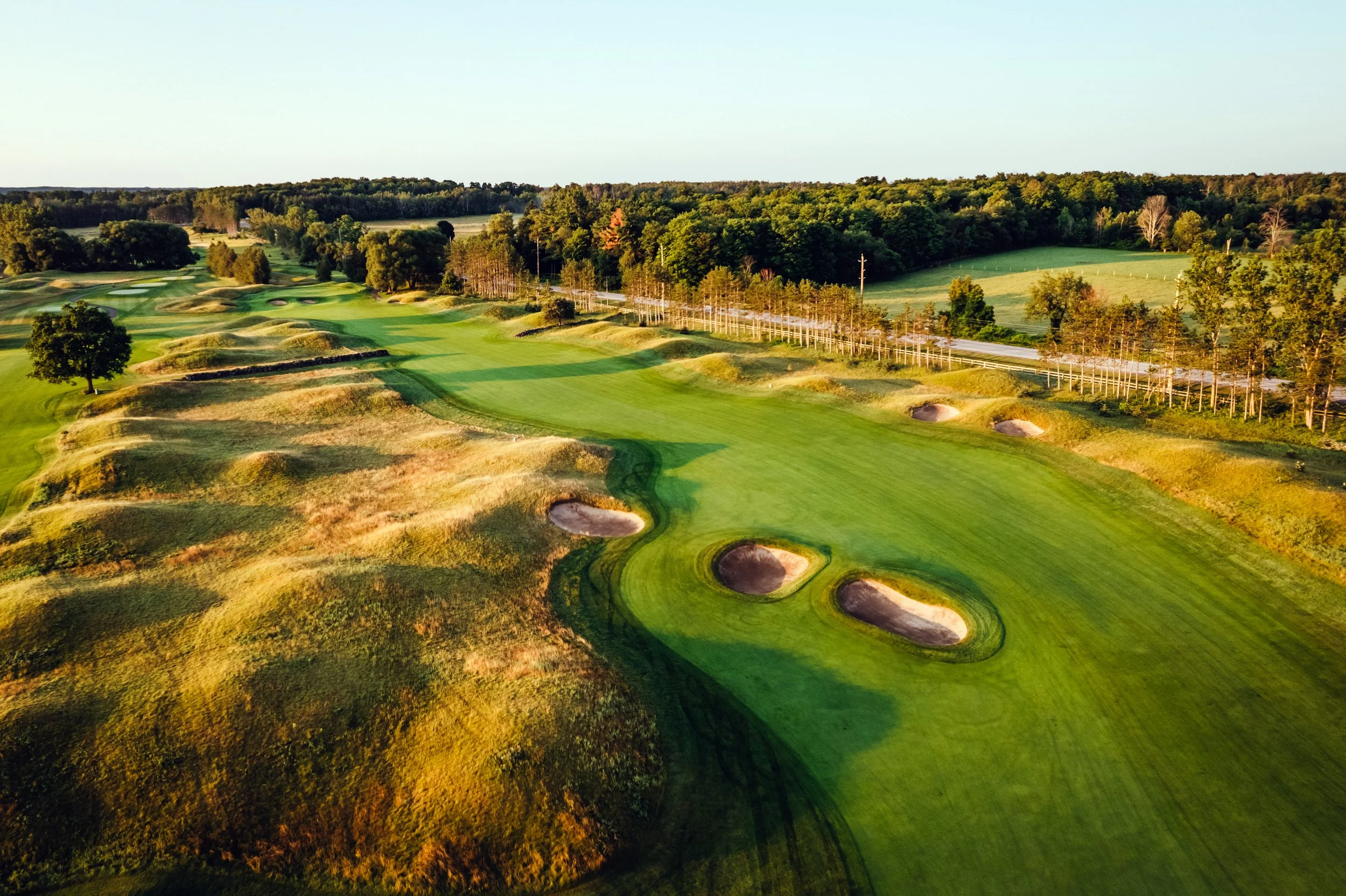
The left-to-right angle of the fairway contrasts against a right-to-left slope, setting up a strategic tee shot. To challenge the bunkers guarding the inside corner requires length that brings the thick fescue and rolling mounds left into play, but those who successfully play down the right open up a superior angle into the elevated green. Left greenside misses find deep bunkers, while right and long misses may end up in a collection area and face one of the fastest downhill shots on the entire property.

3RD HOLE
PAR 4 | 411 YARDS
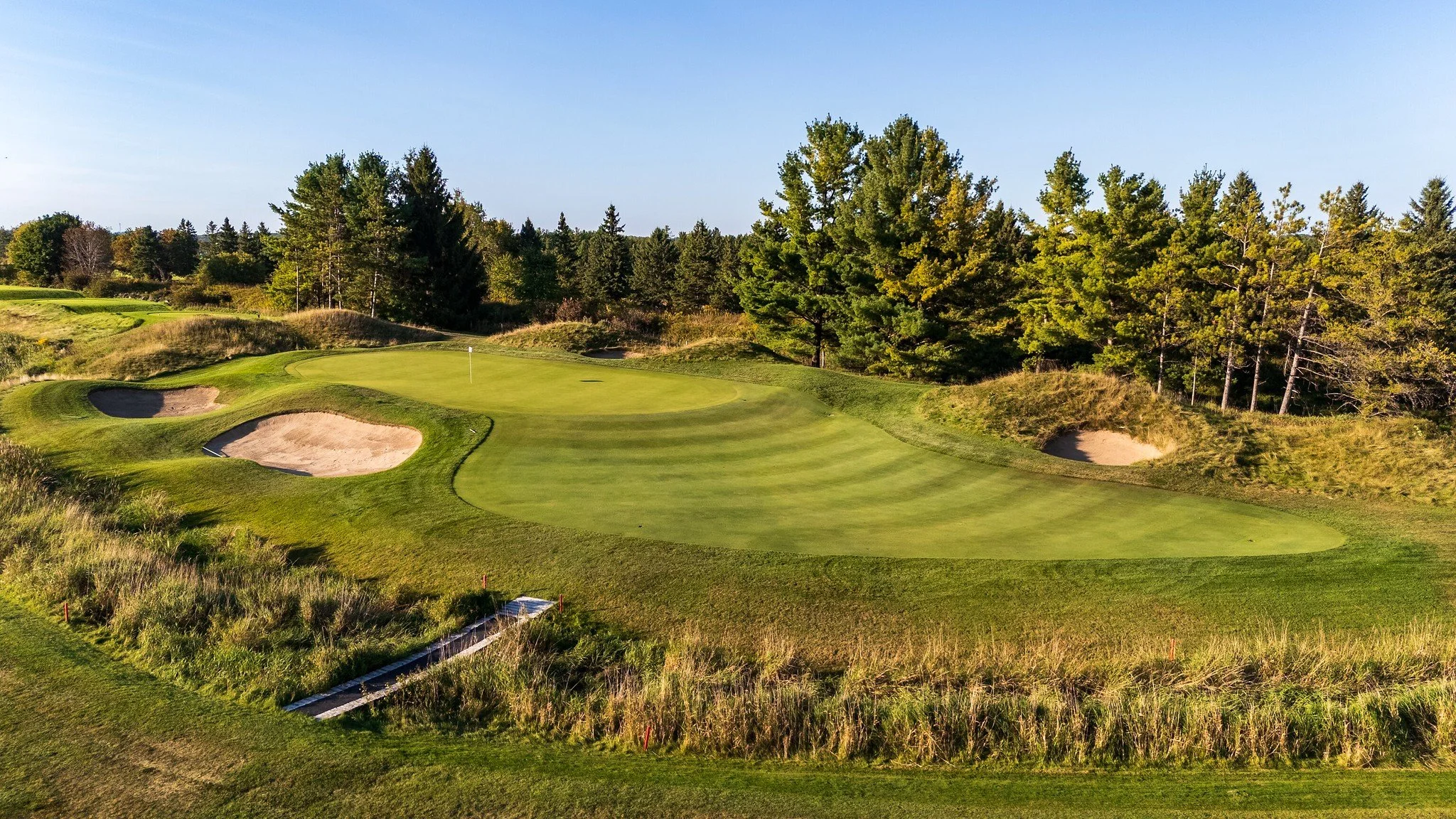
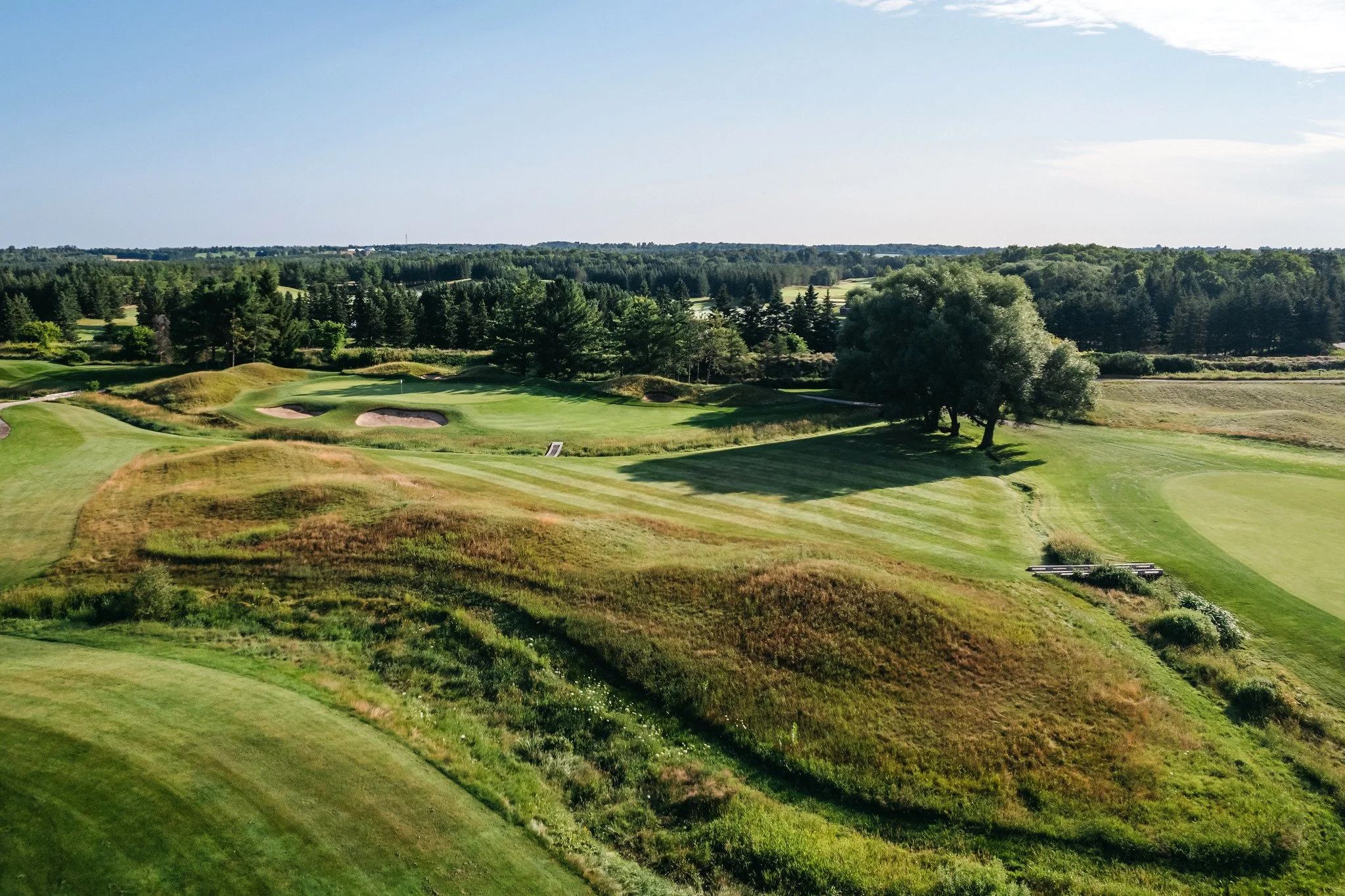
A downhill tee shot is bisected by a small creek, with aggressive shots down the left side that bring the creek into play yielding a shorter shot in. A small ridge runs through the back-to-front sloping green, which is guarded by a shortgrass false front, four deep bunkers and several distinct dunes.
4TH HOLE
PAR 4 | 367 YARDS
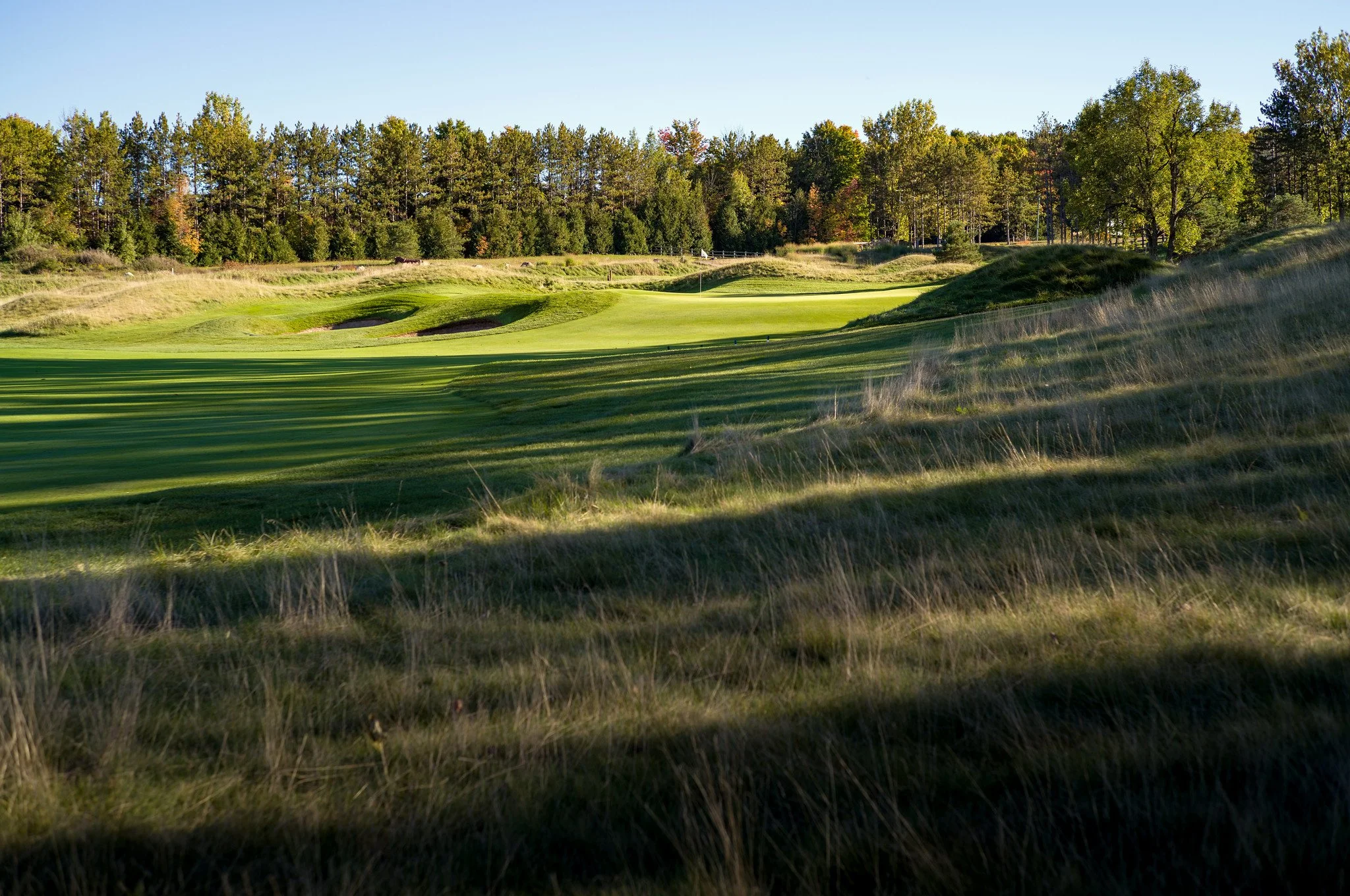
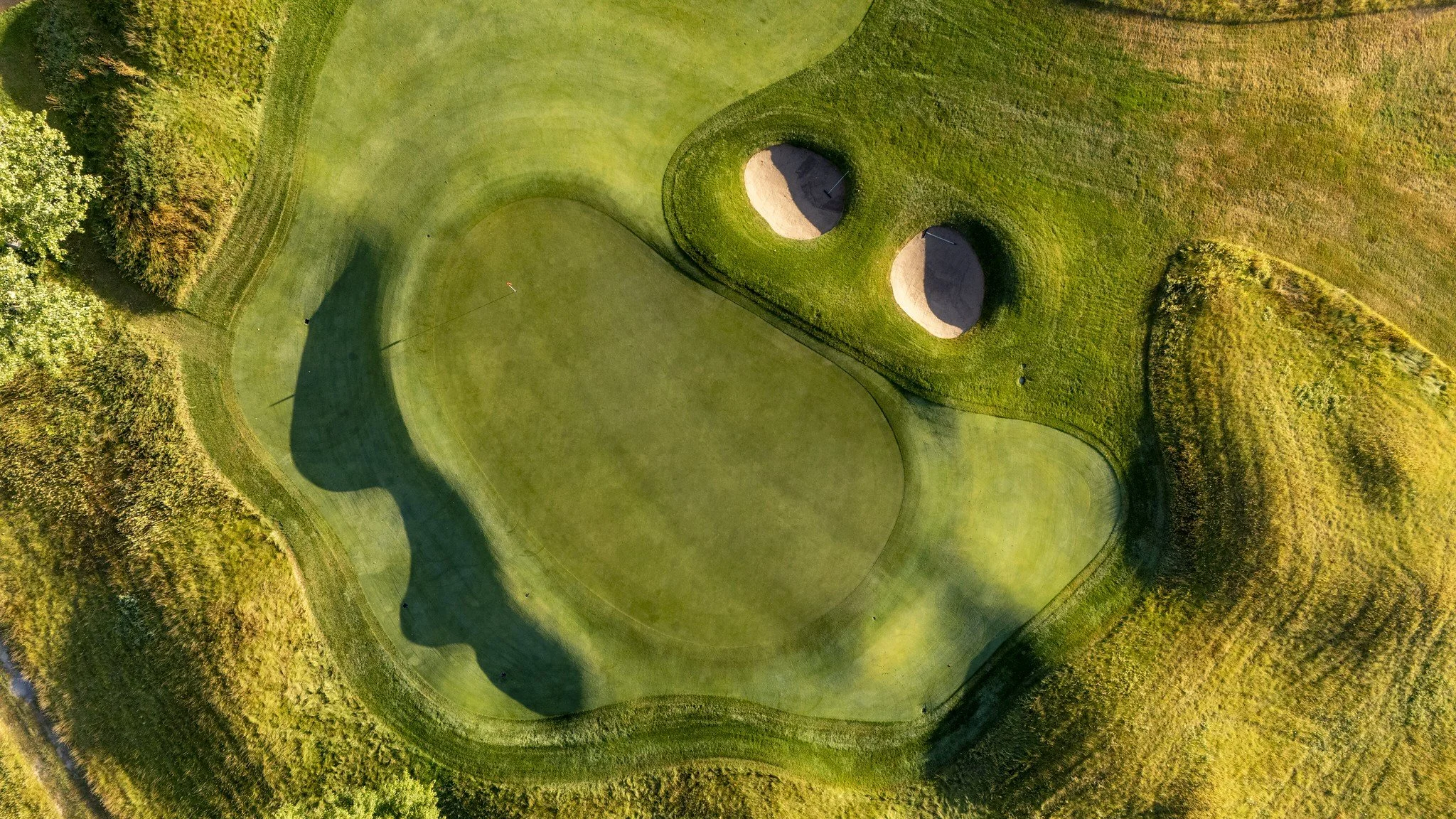
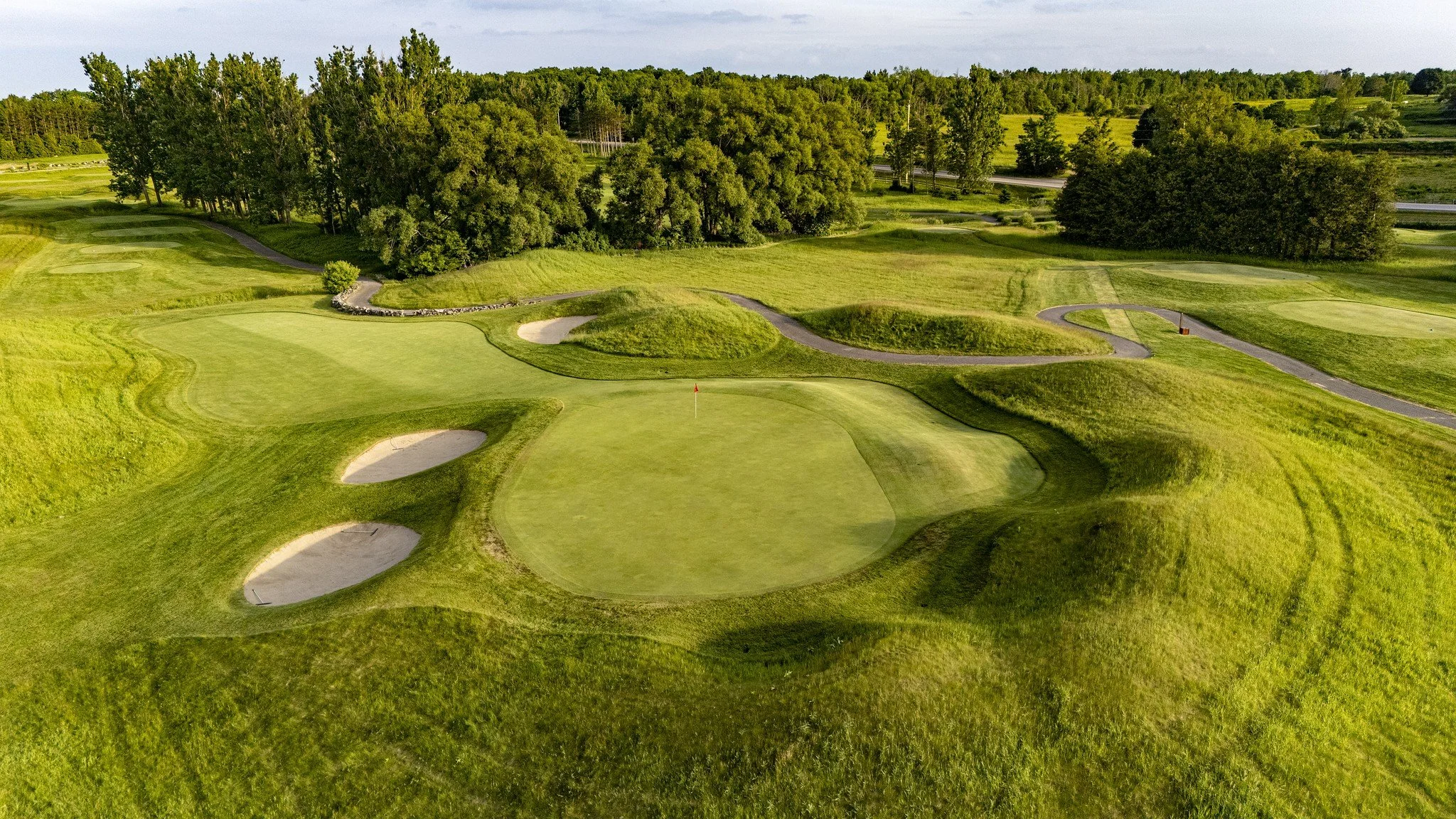
Six small bunkers guard each side of the fairway, requiring a long carry down the right and punishing tee shots that play too timidly to the left. A tabletop green is guarded by severe runoff slopes short right and long, while two deep bunkers protect the front left. The green is severely tilted from back left to front right, making for some of the fastest putts on the course.
5TH HOLE
PAR 3 | 205 YARDS
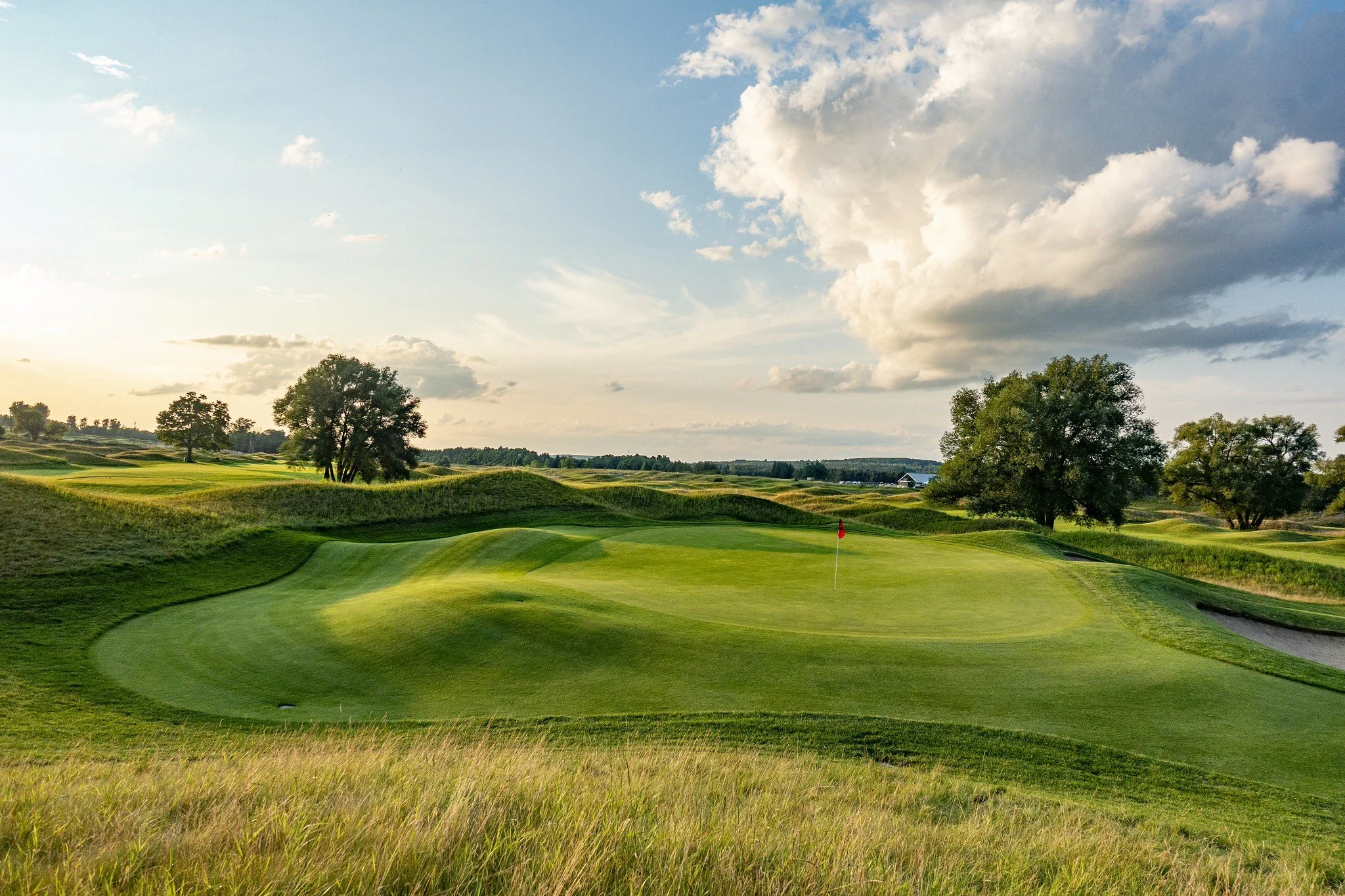
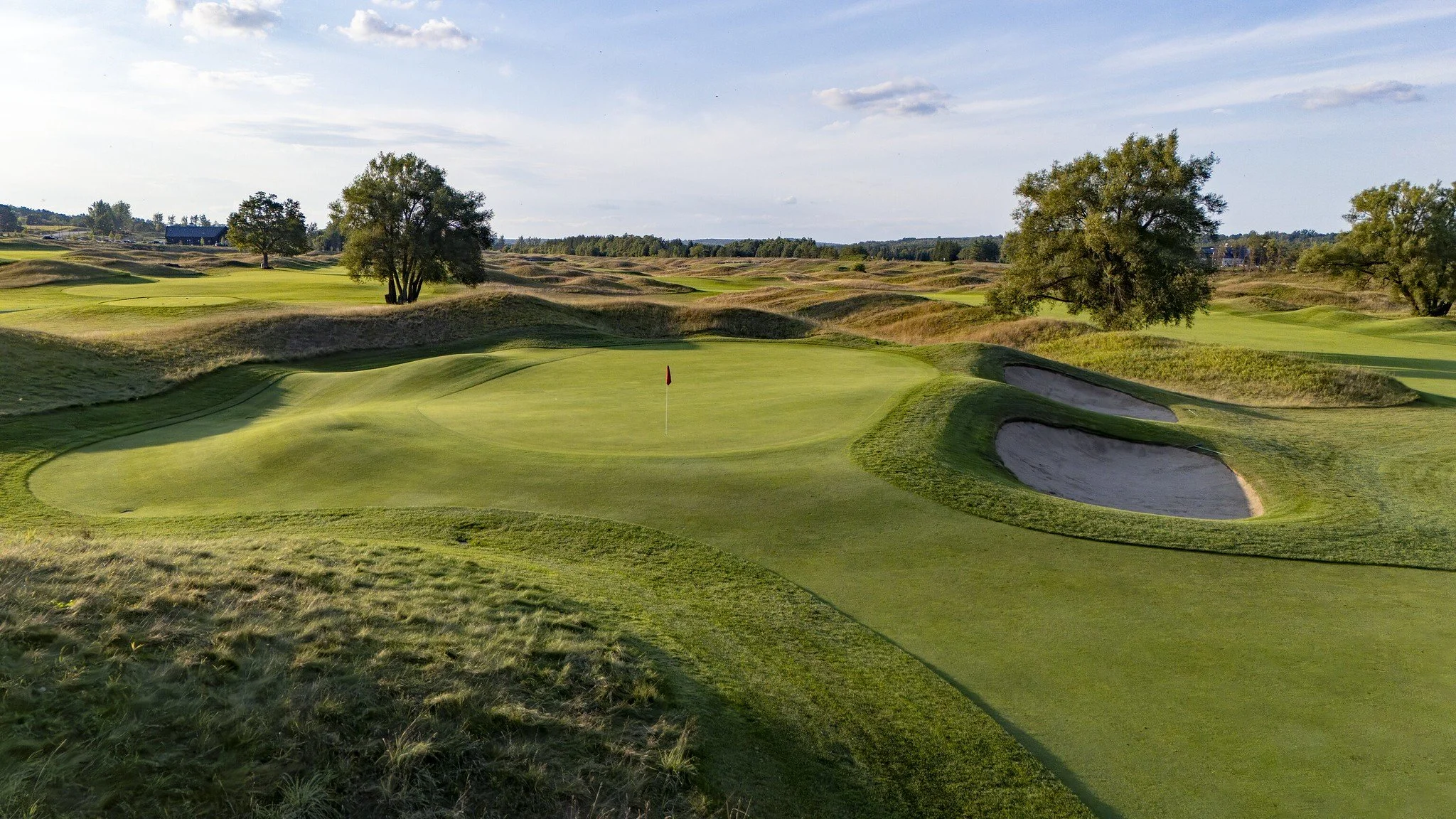
A long one-shotter with an angled green, the fifth features several distinctive hazards that come more into play depending on the hole location. Front left pins must contend with the low shortgrass collection area to the left, while back right pins require a long carry over deep bunkers to set up a birdie chance.

6TH HOLE
PAR 4 | 451 YARDS
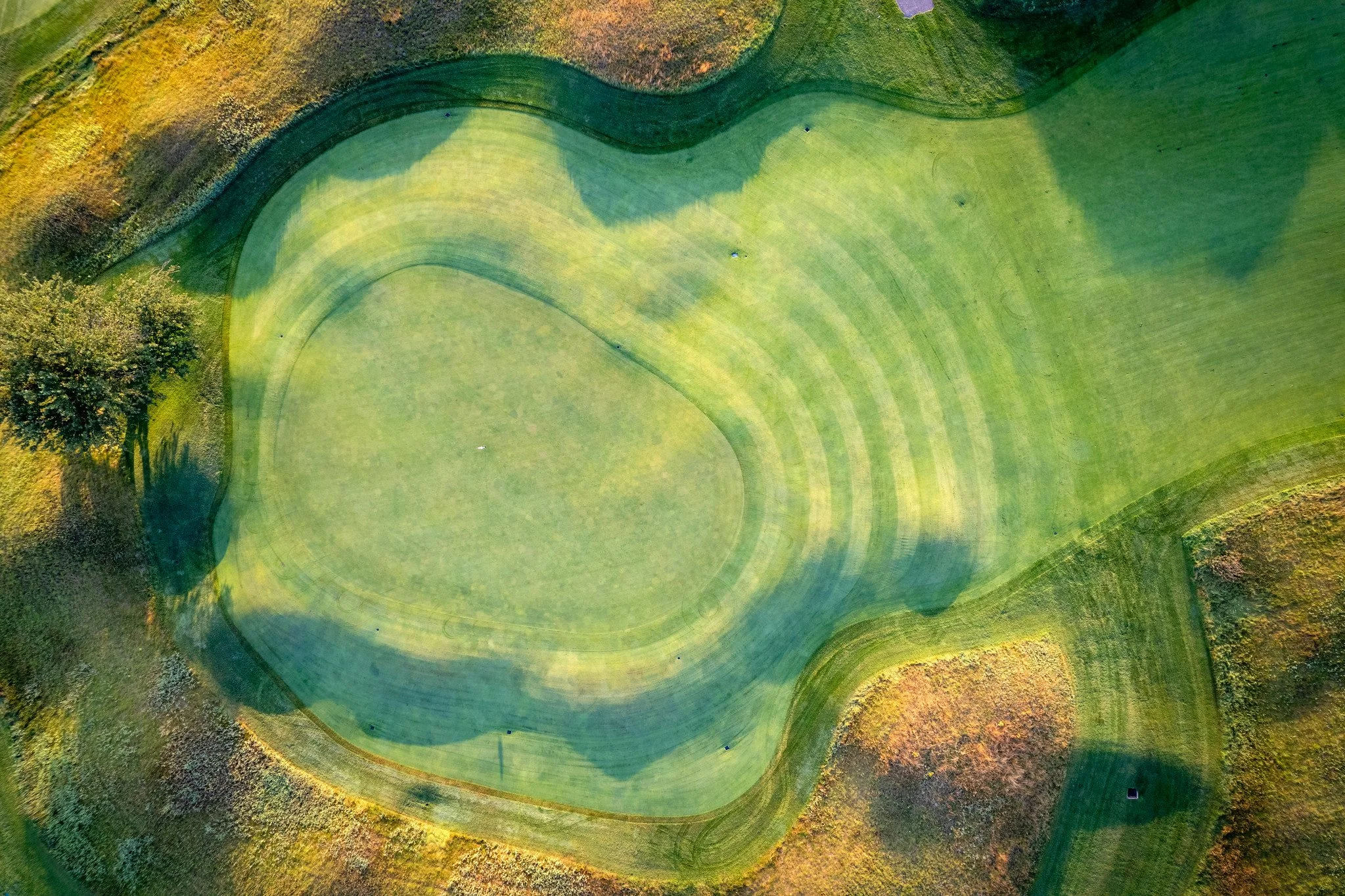
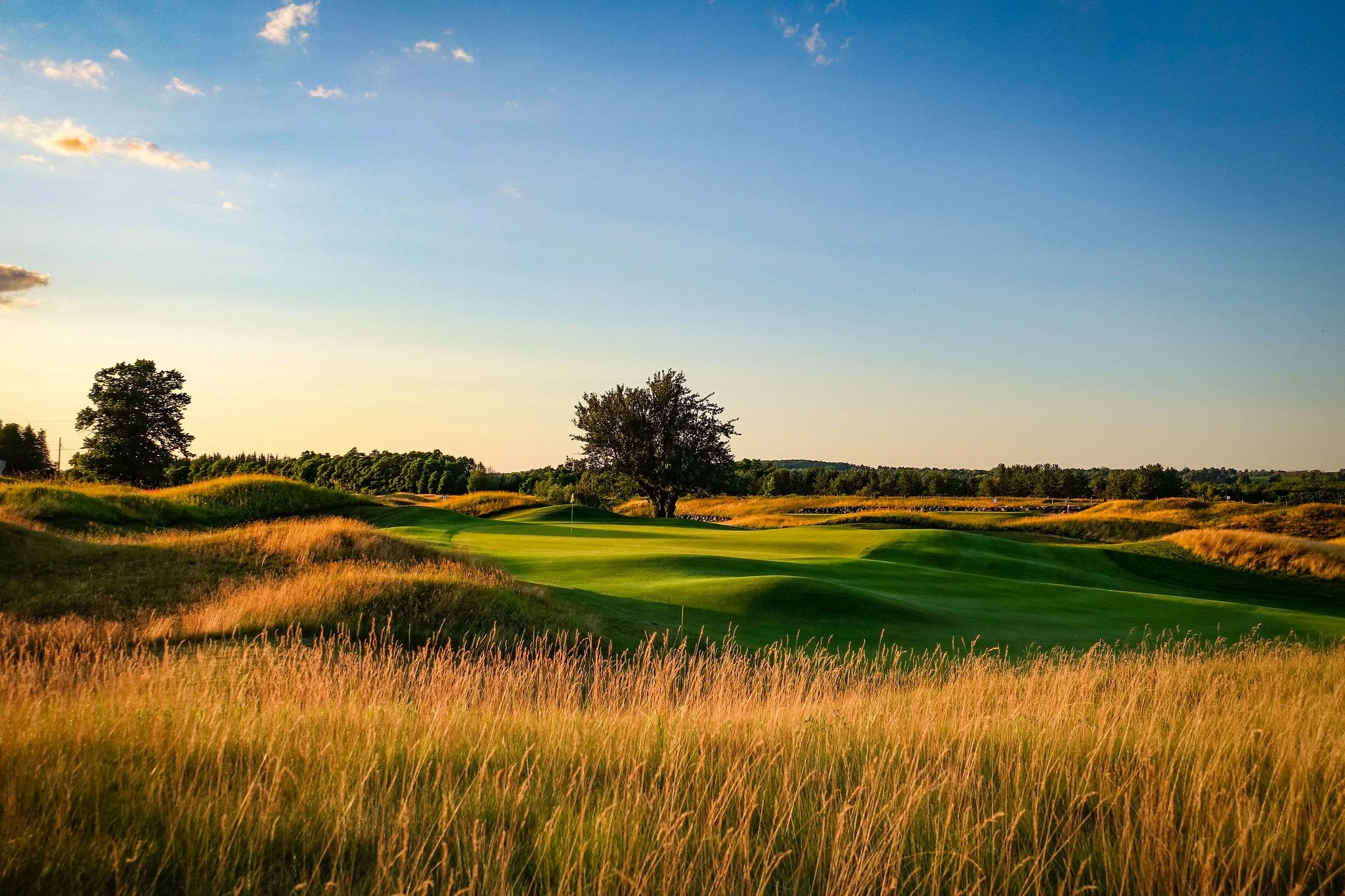
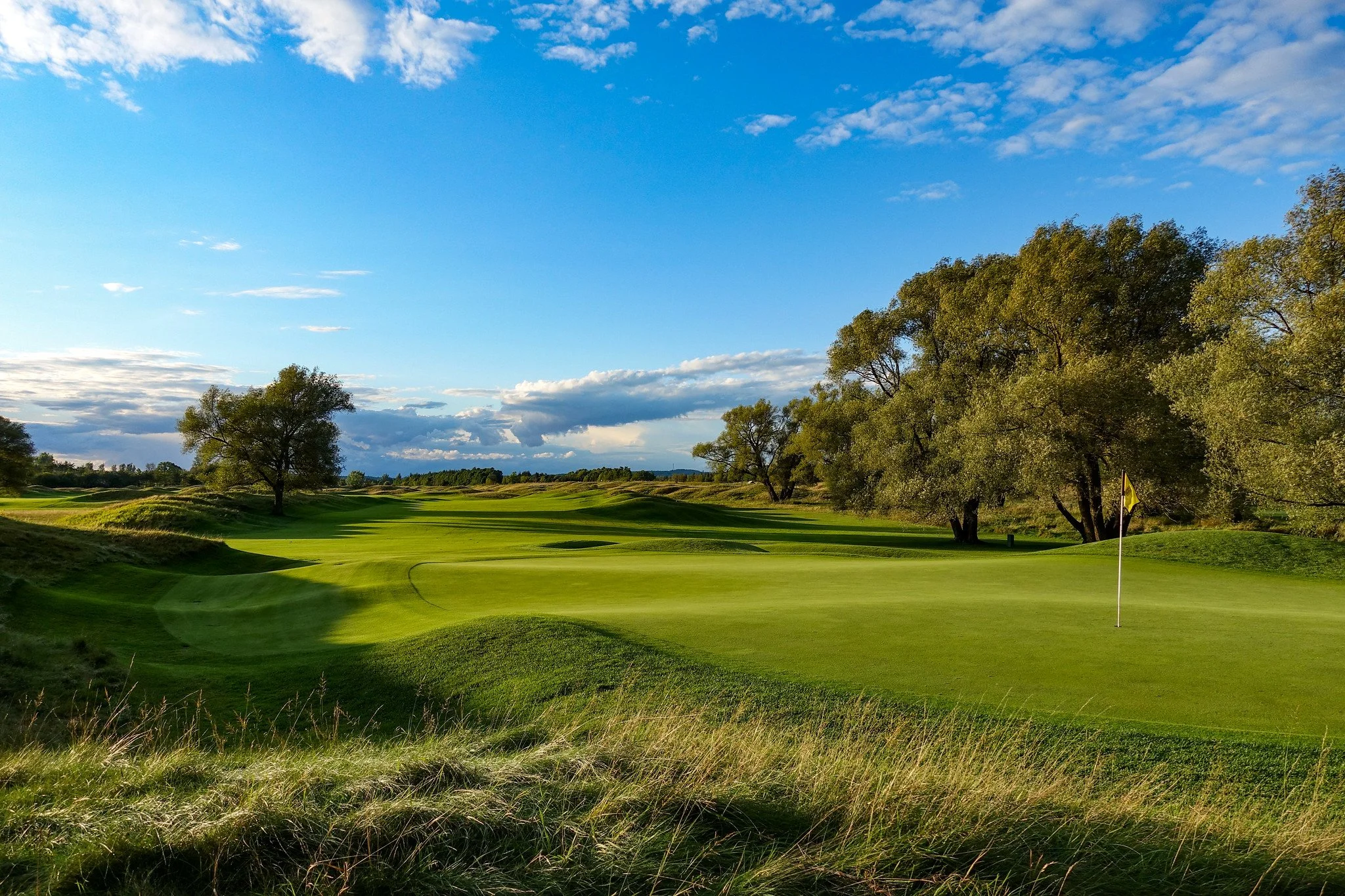
Long, bunkerless and framed by rolling fescue-covered dunes on each side, the sixth offers golfers a chance to showcase their shotmaking skill. The green is surrounded by shortgrass runoff areas, with the deepest one short right of the green and extending into a steep false front.
7TH HOLE
PAR 4 | 424 YARDS
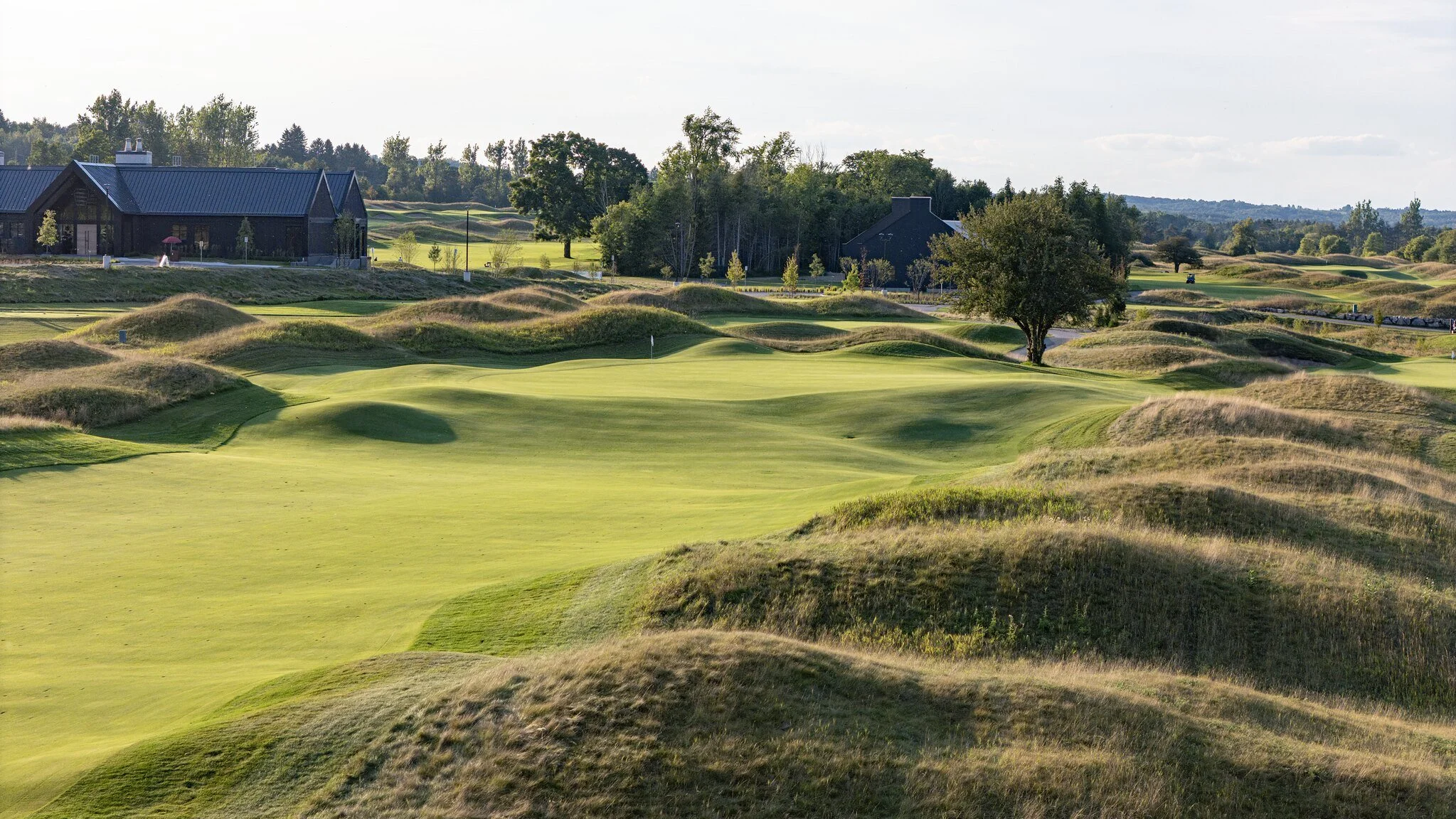
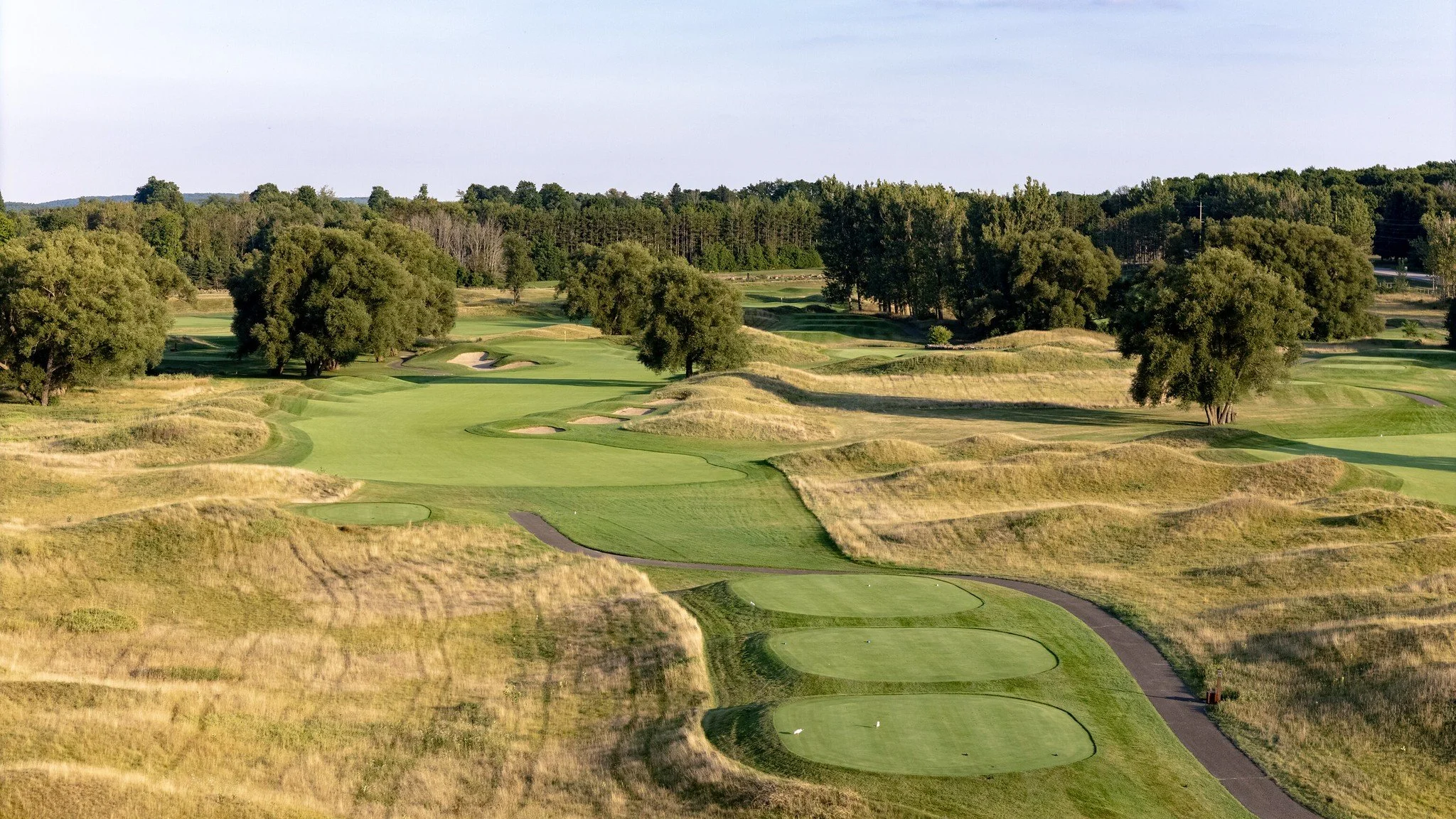
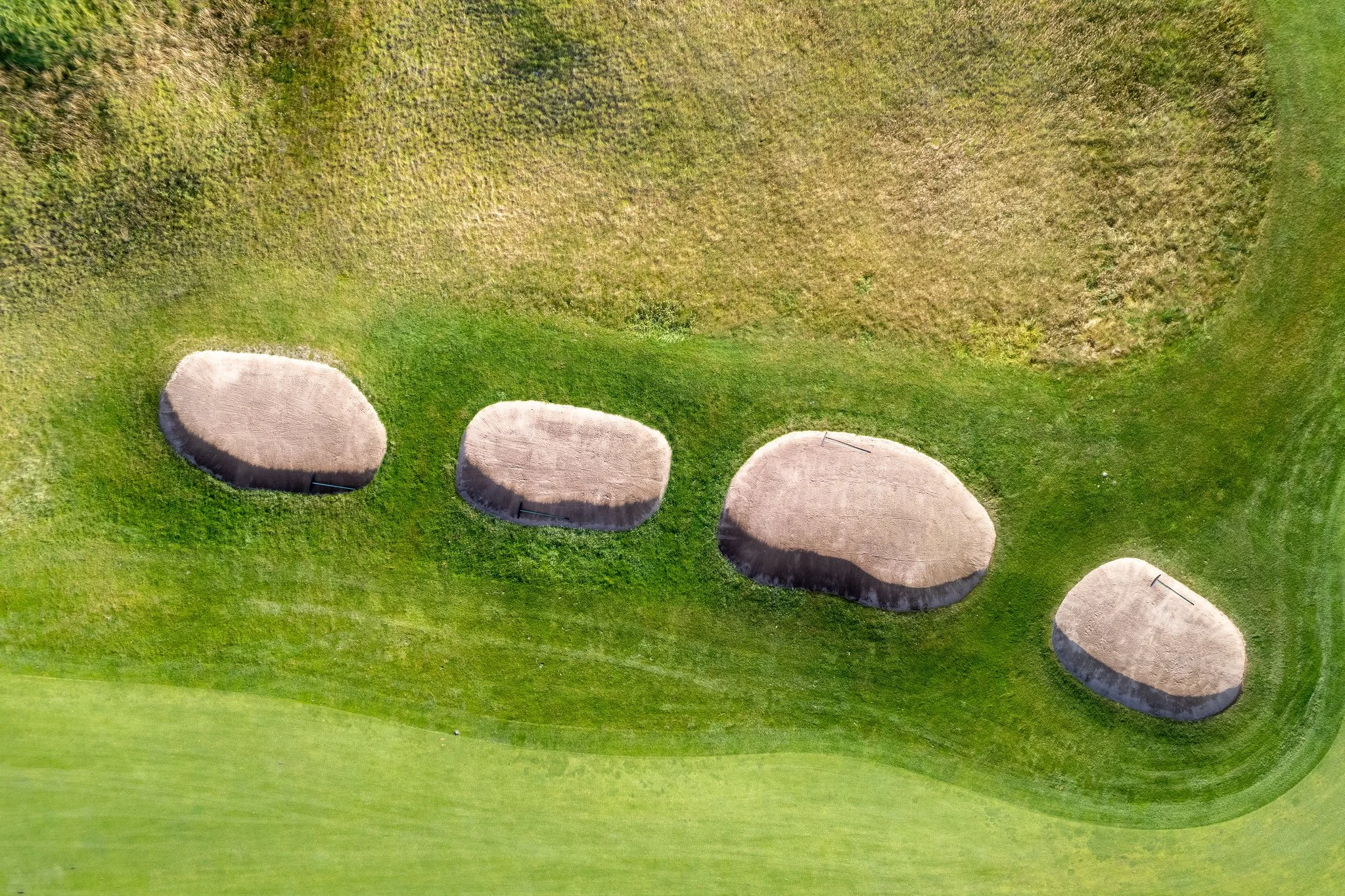
A snaking fairway leads to a green heavily protected on the left side, meaning a long carry over four bunkers set into a steep dune down the right yield an advantage on the approach. The green features four distinct tiers, including an elevated back shelf and a dramatic, back-to-front sloping front section. Whether with a long-iron or short pitch, getting the ball close to the hole upon approach on the seventh is one of the Heathlands’ toughest tests.
8TH HOLE
PAR 3 | 156 YARDS
An uphill par-5 that seems straightforward at first, the eighth serves as a classic example of Doug Carrick’s use of greenside surroundings to take a straight hole and make driving and approach angles consequential. A wooded penalty area sits to the far-right side of the hole, but playing safely away from it forces tee shots to deal with a large fairway bunker that obscures visibility for second shots - or turns them into sideways pitch-outs. Those who successfully find the fairway are rewarded with a superior angle into the green, which has ample shortgrass short and left to help a player run the ball on the green, while a deep greenside bunker sits to the right.
9TH HOLE
PAR 5 | 553 YARDS
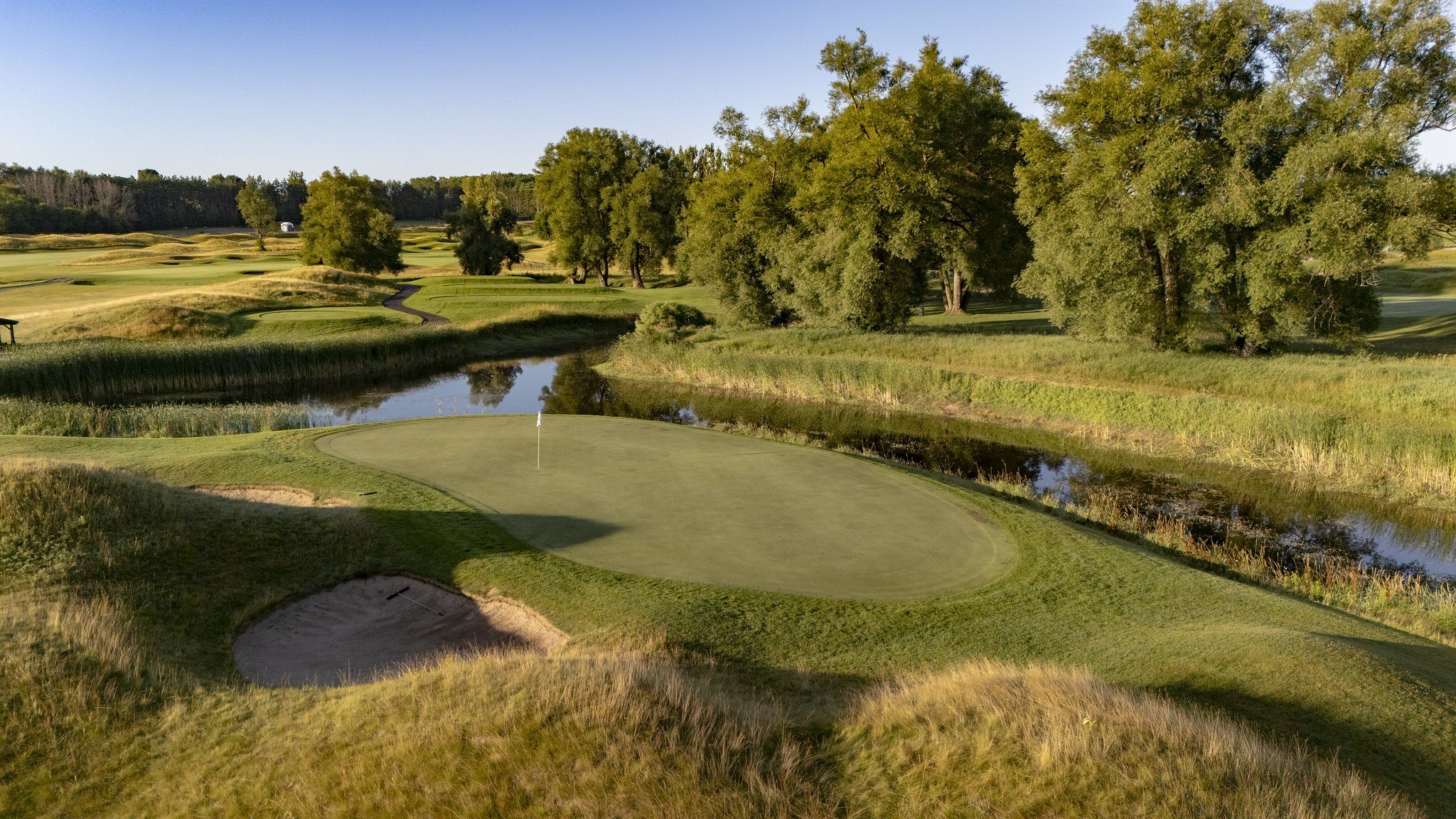
A long par-5 bordered by a creek on the right and some of the course’s most intimidating dunes on the left, the ninth
10TH HOLE
PAR 5 | 527 YARDS
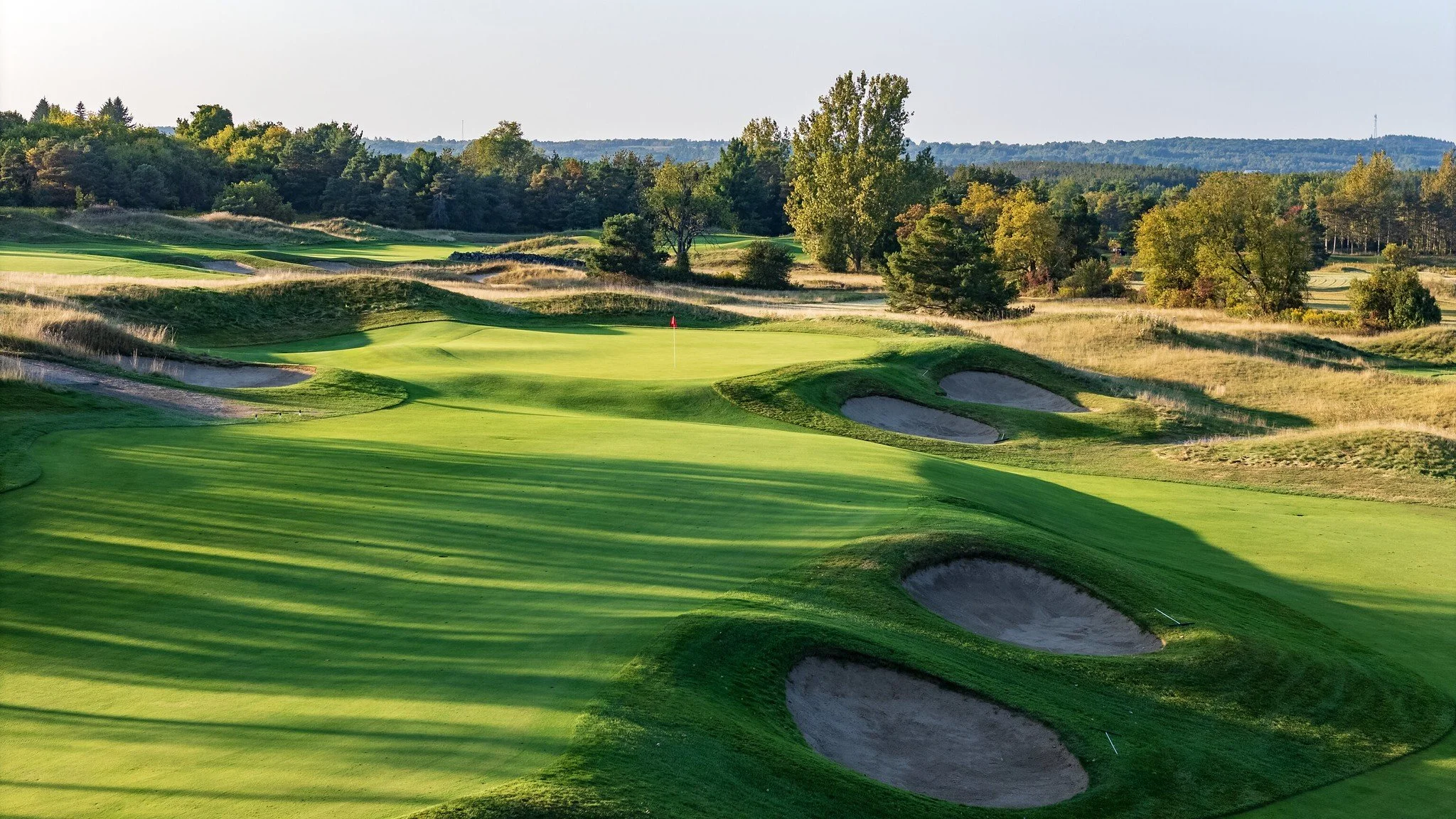
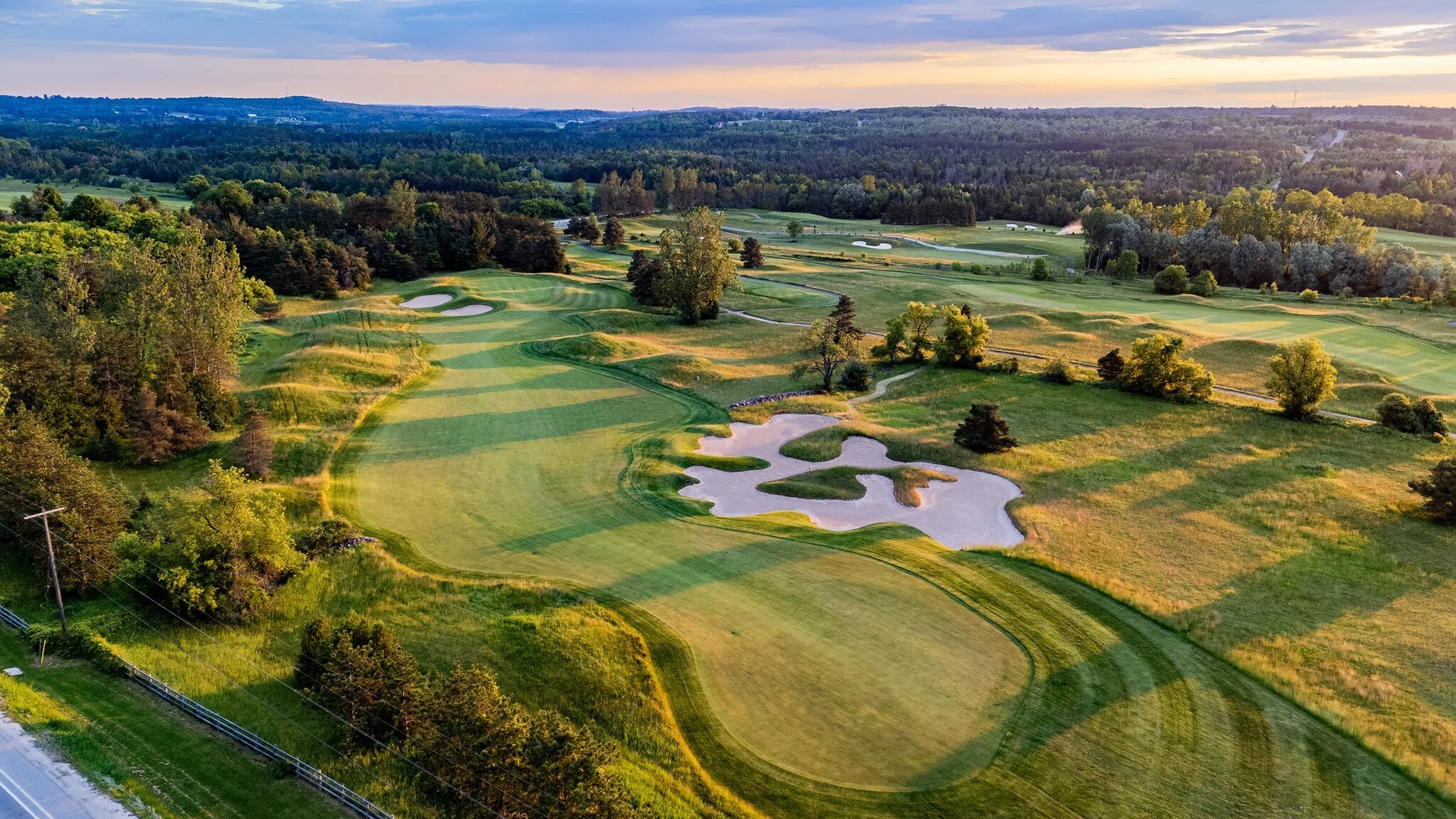
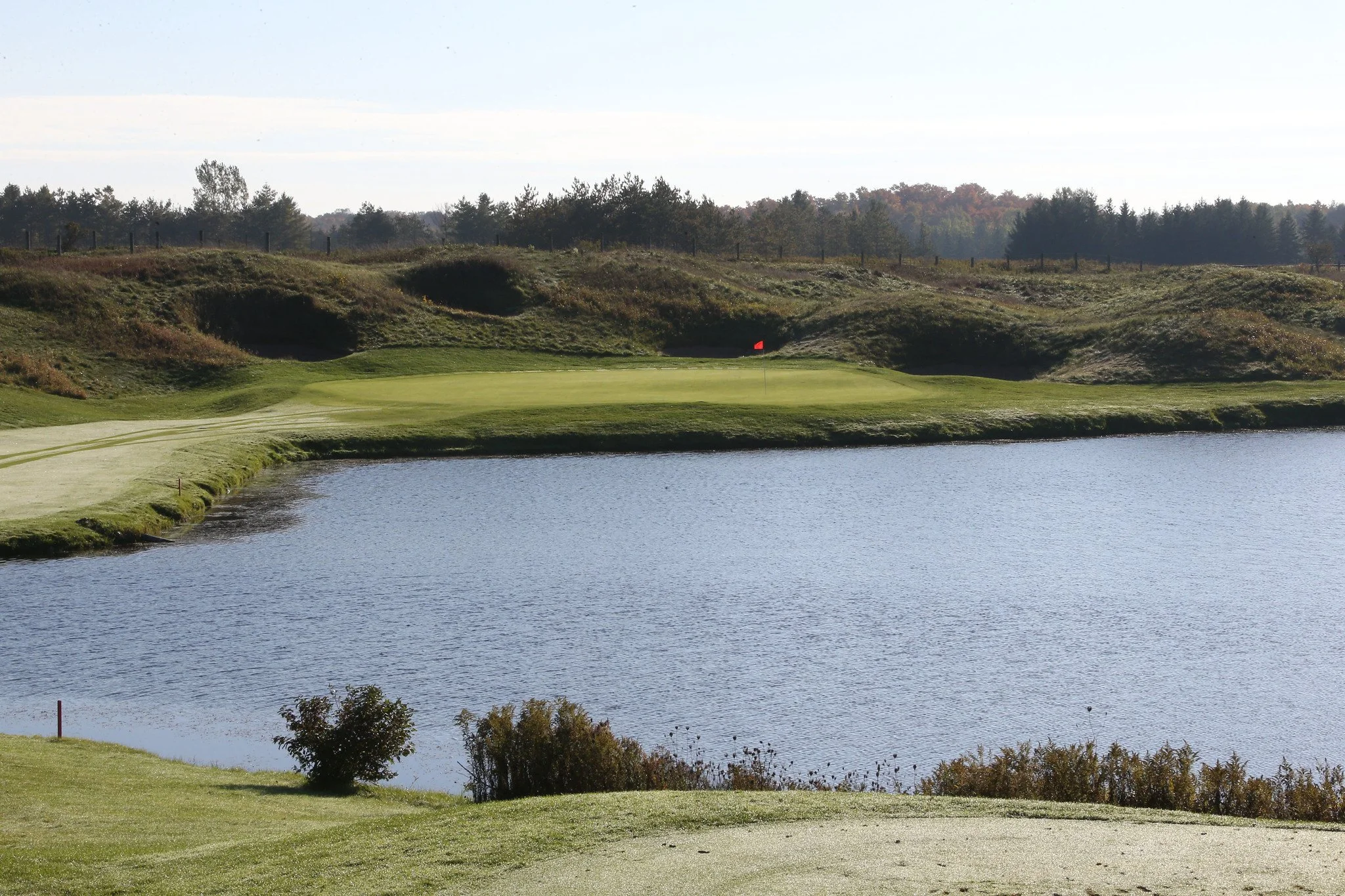
A change of pace from the massive scale of the par-4 ninth, the bunkerless 10th opens the back nine with a test of precision on a smaller scale. A winding S-shaped fairway curves from right to left, requiring players to lay well back off the tee or curve their tee shot from right-to-left to hold the fairway.
The green is protected by a pond short, which comes into play for poorly struck approaches due to the severely-sloped shortgrass area and front of the green - a feature that effectively moves the line of the hazard five or six paces into the green. Players who fail to hold the fairway and miss in the right rough have to navigate carrying their approach shot far enough onto the green, with any balls that come up short rolling back into the pond under firm and fast conditions.
11TH HOLE
PAR 4 | 412 YARDS
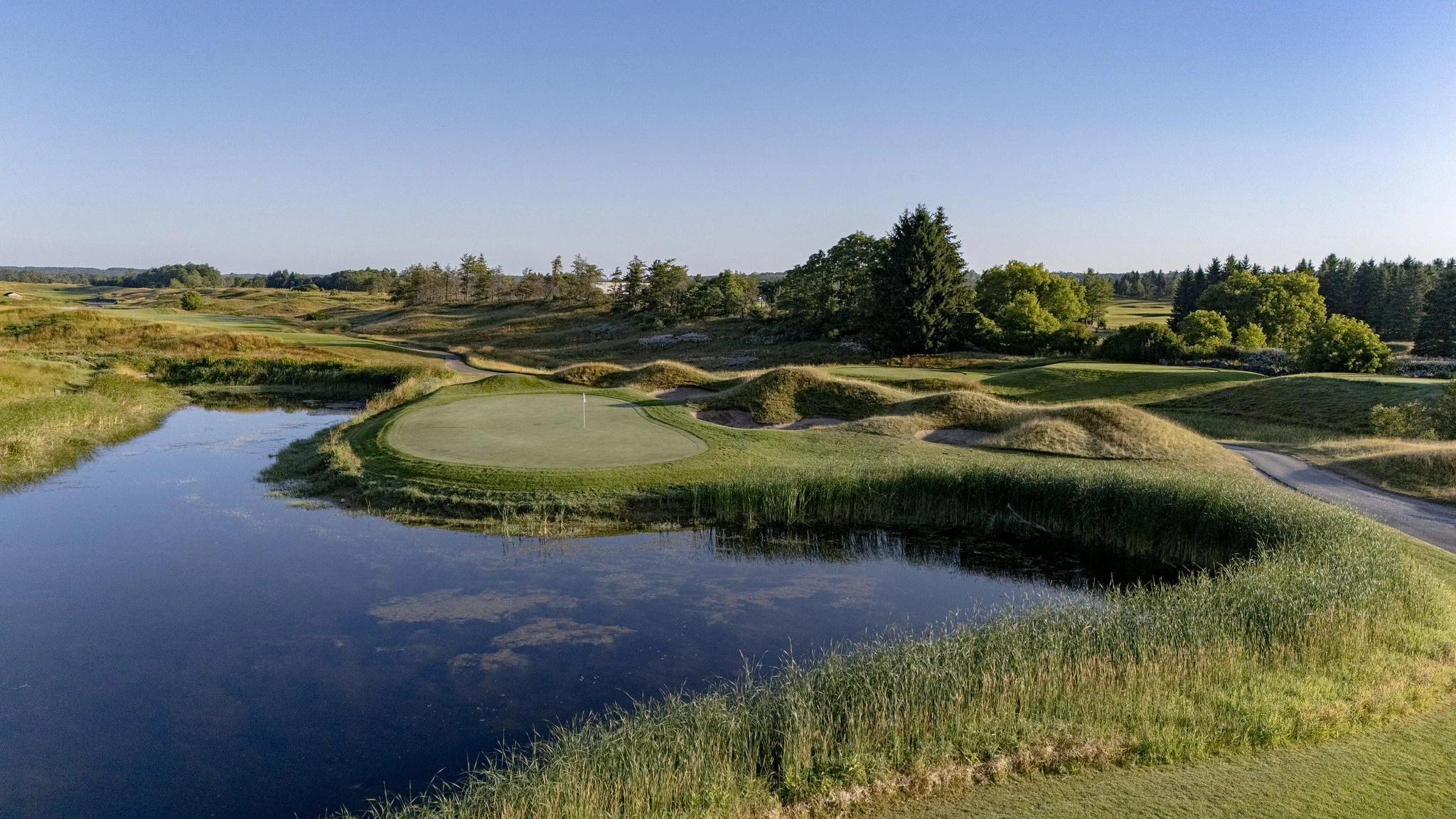
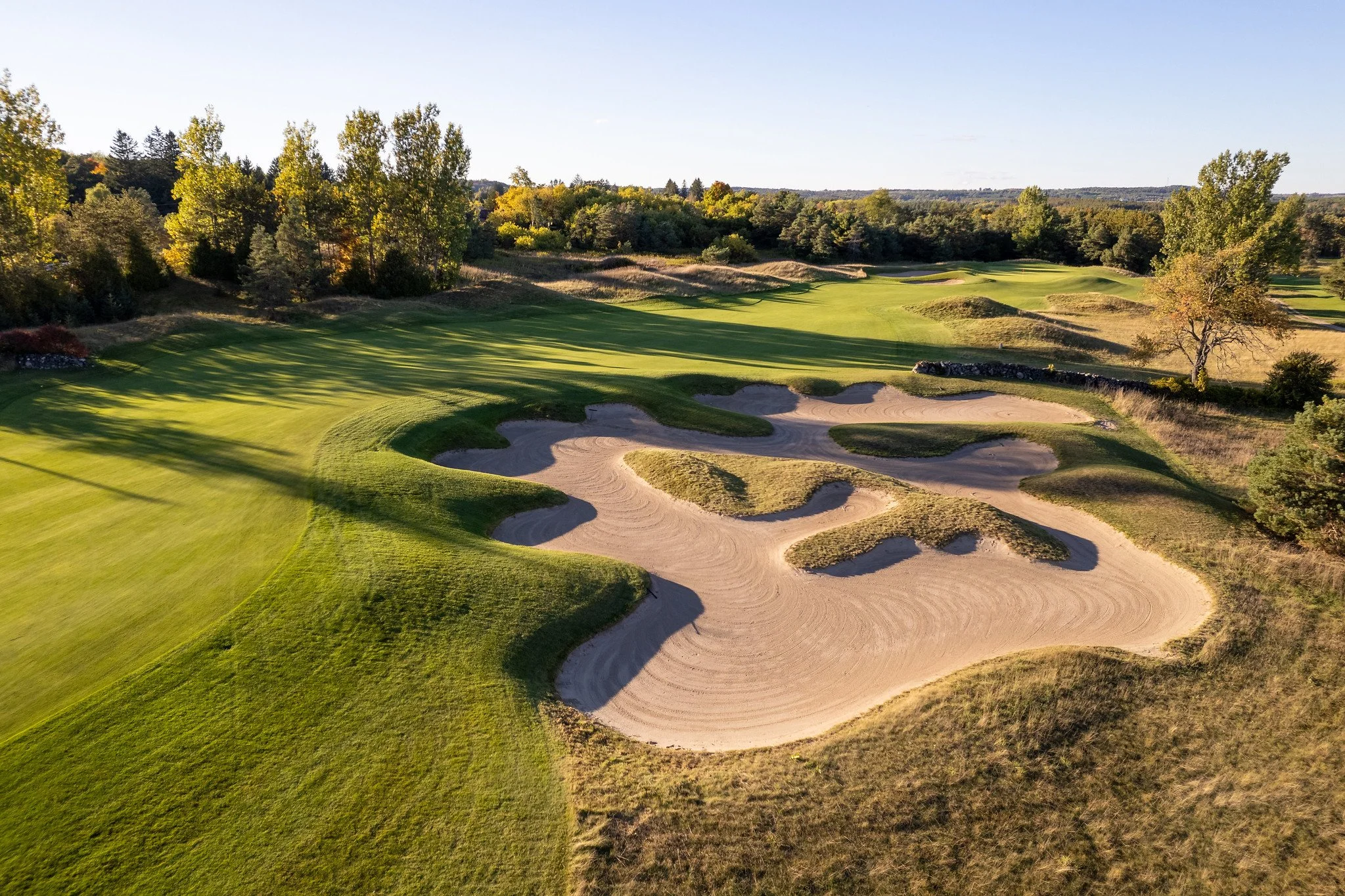
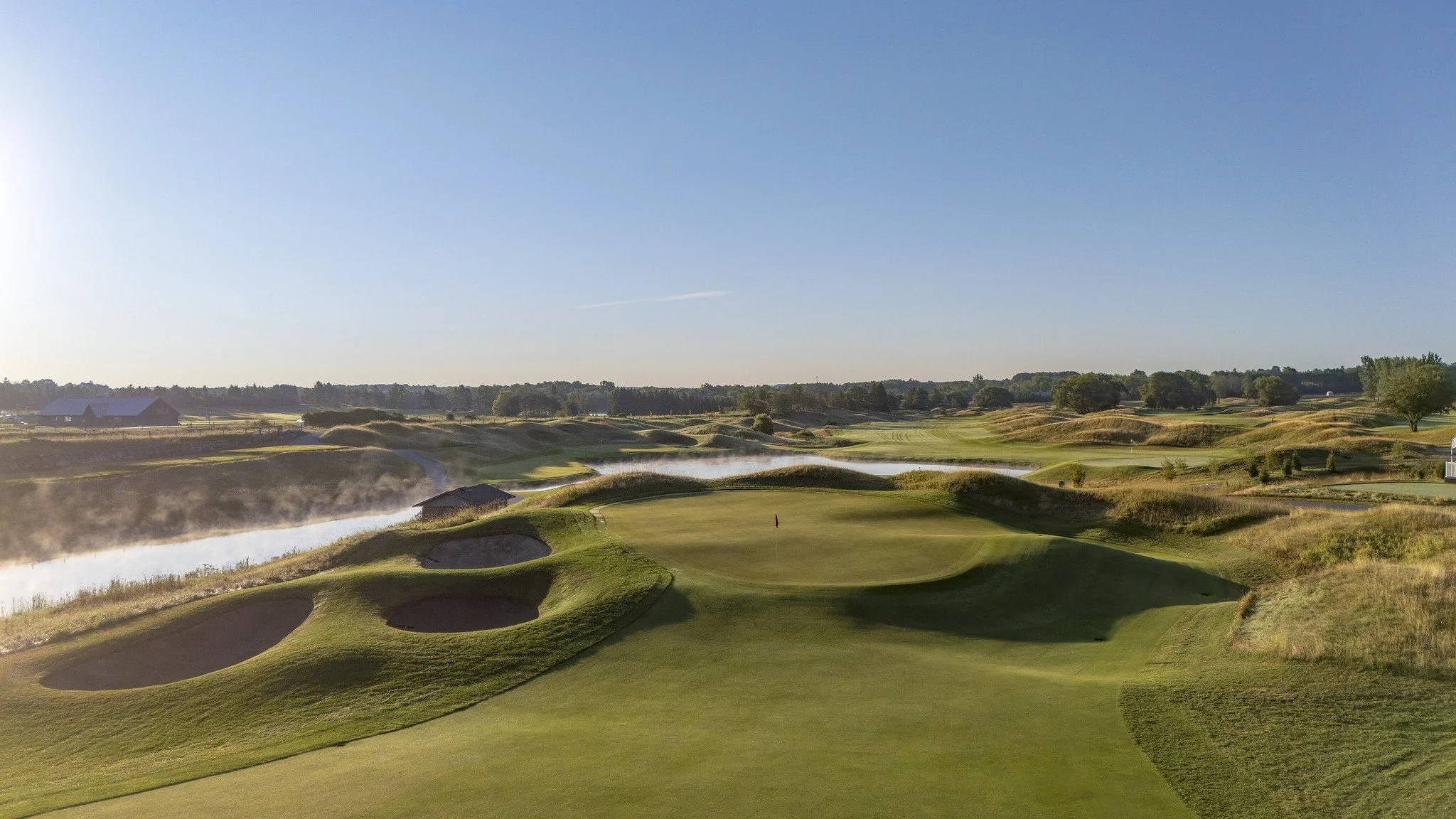
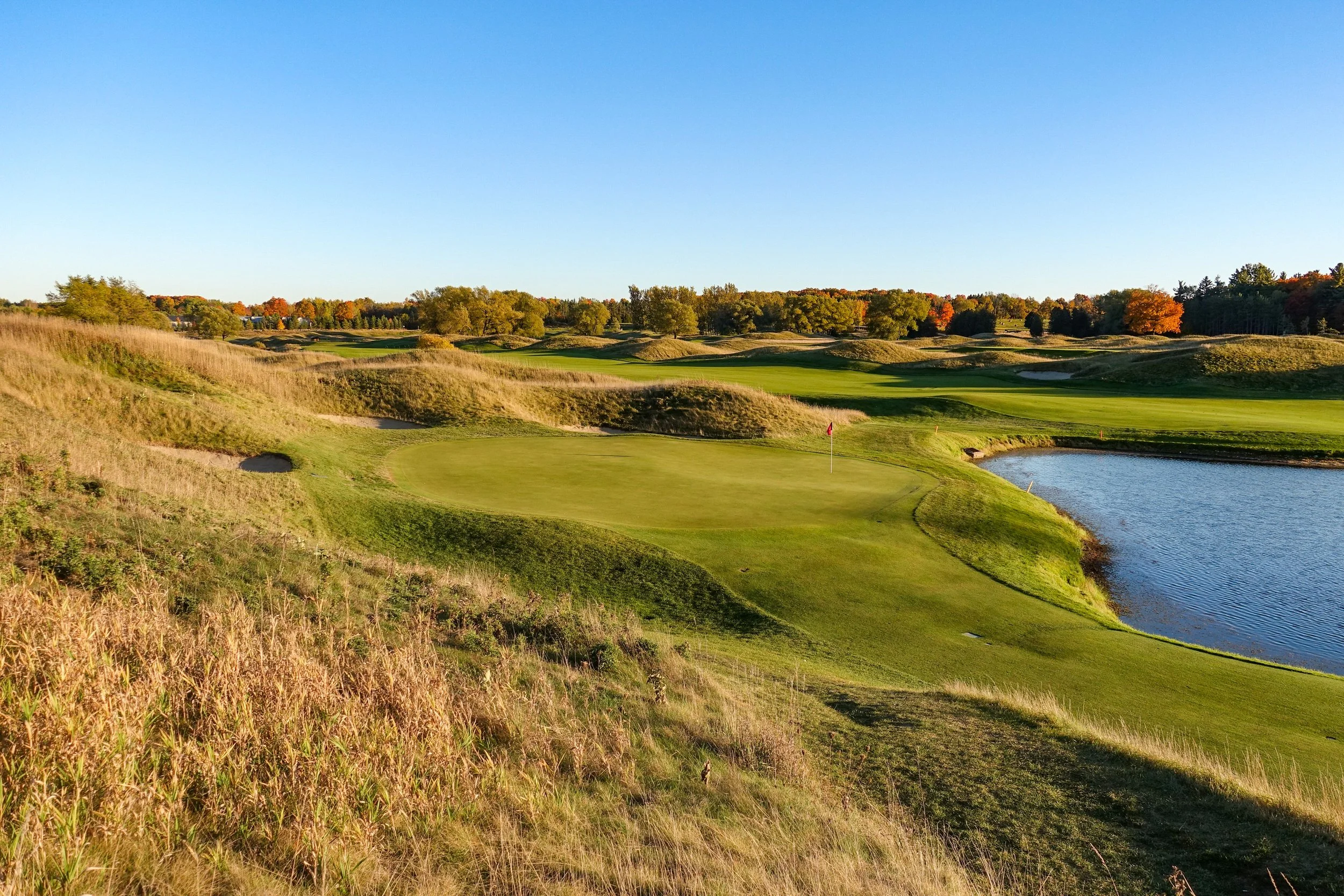
A long par-3, the 11th represents one of the most dramatic changes from the 2023 renovation of the North course. The green sits between a pond and a massive slope on the left side, requiring players to either hit a courageous shot over water or play out left and suffer the consequences. A small shortgrass area sits short and left of the green as a bailout option for more timid tee shots, while the fescue-covered hillside punishes approaches that sail long left. The green features a distinct spine in the middle separating the putting surface into two main sections.
12TH HOLE
PAR 3 | 196 YARDS
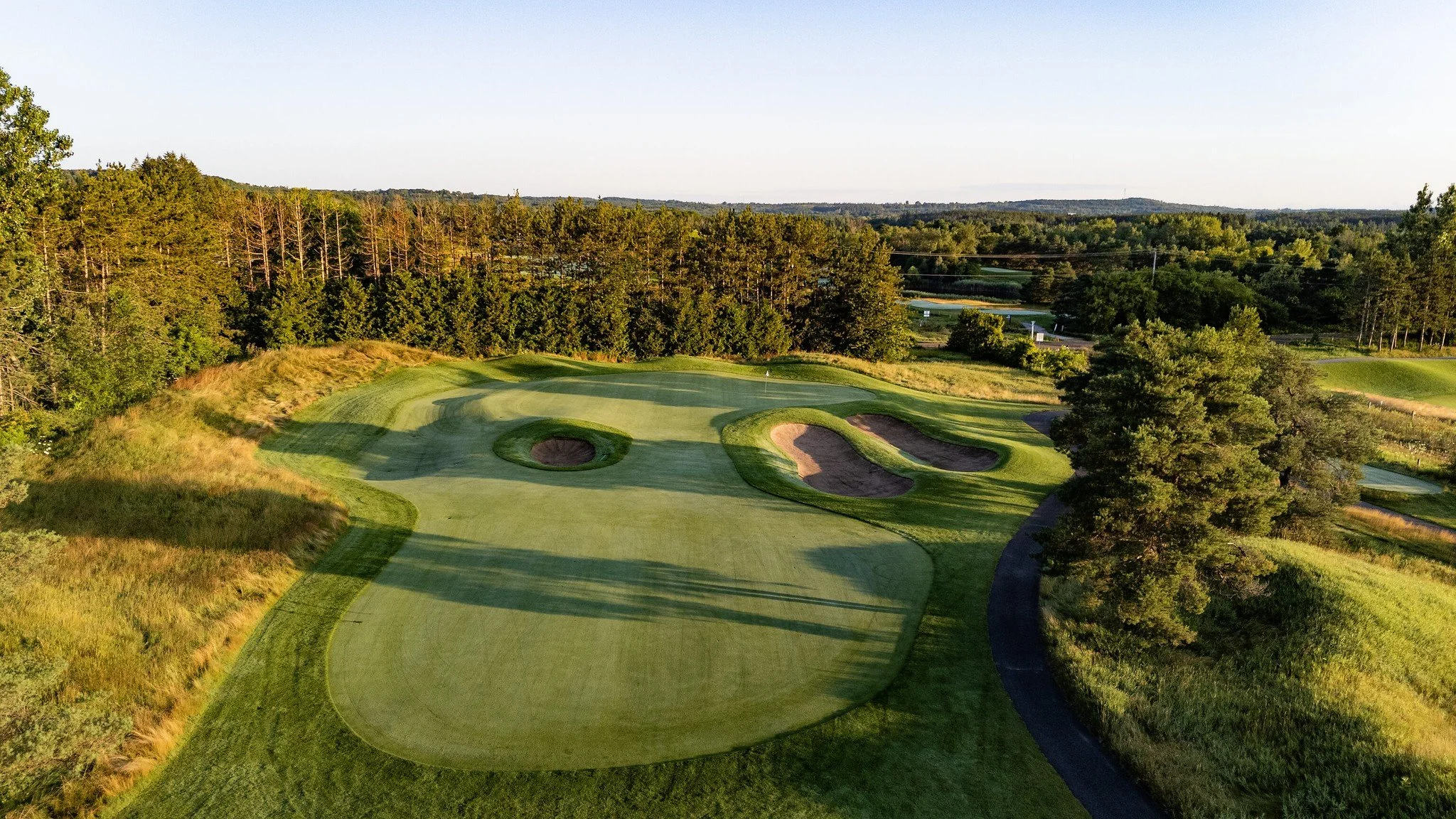
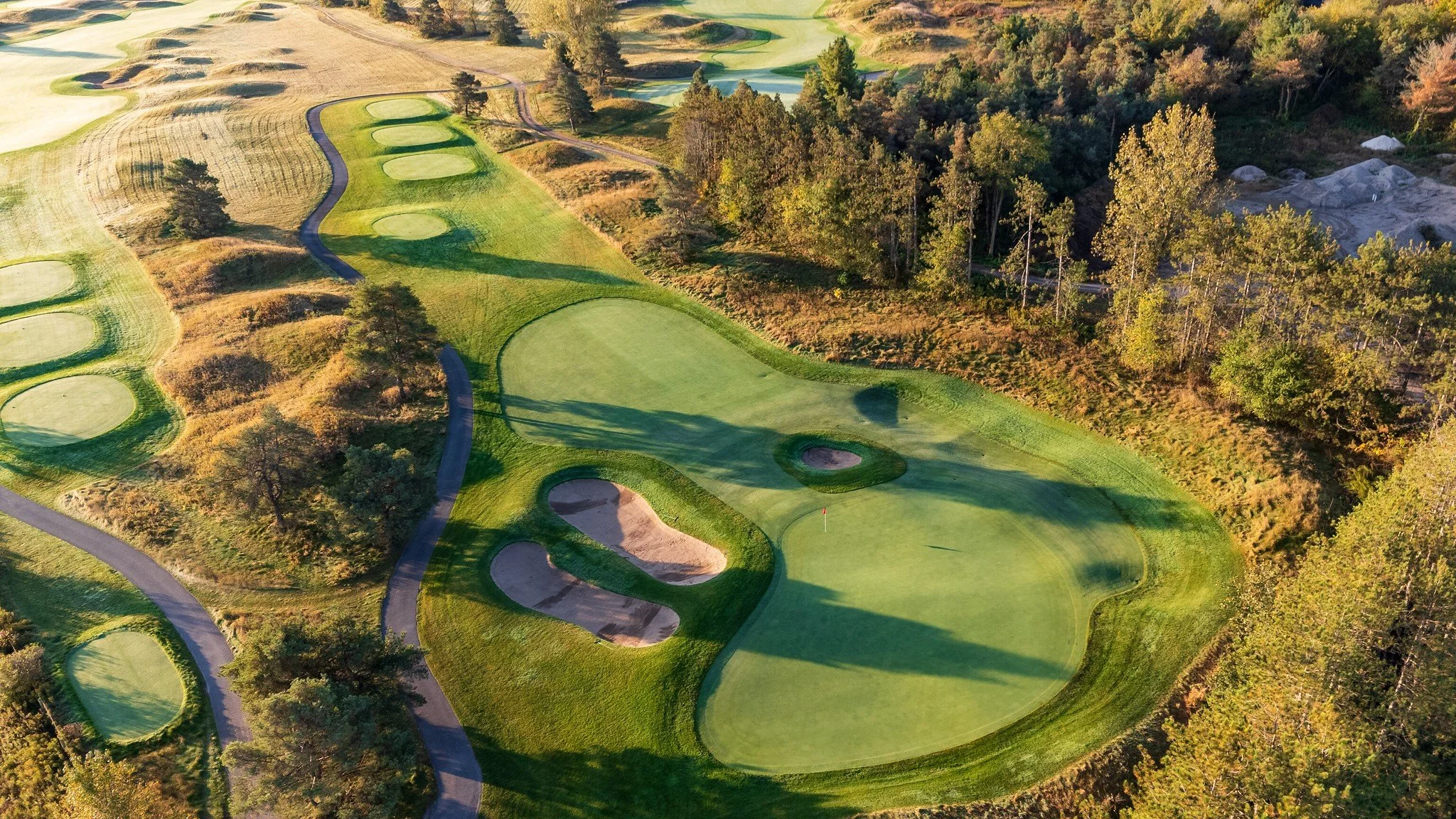
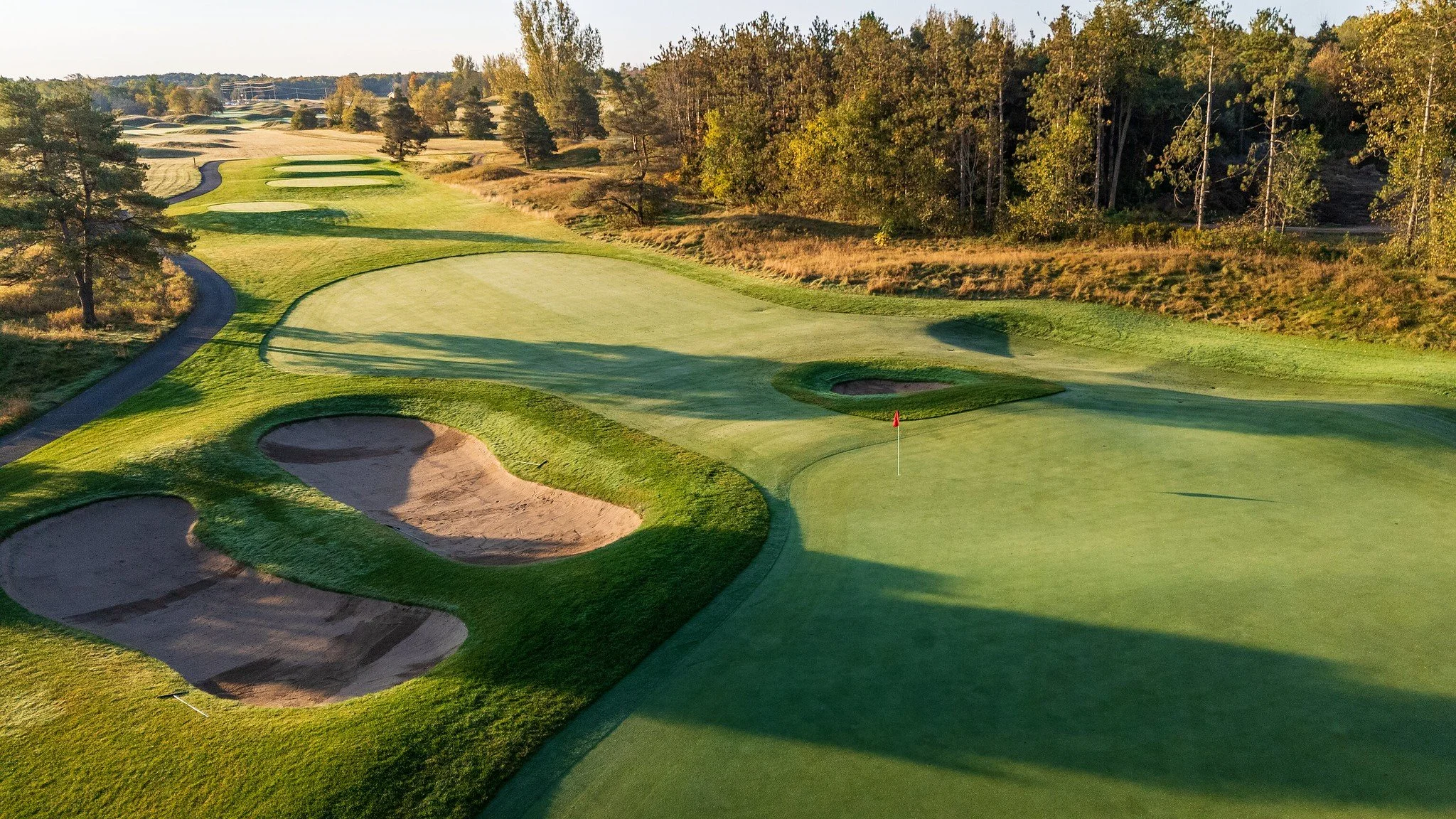
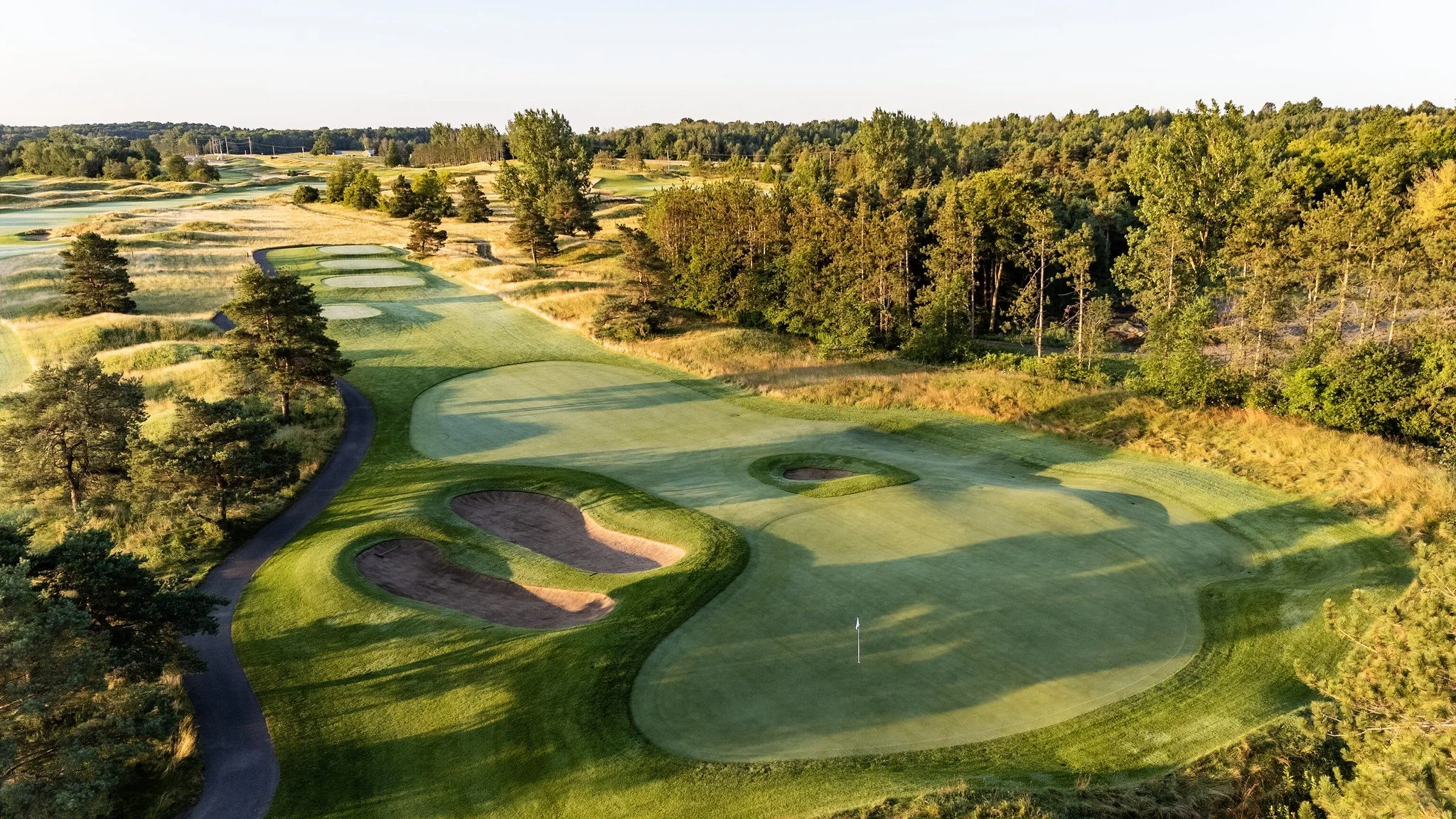
The only hole that was actually shortened in the 2023 renovation, the 12th is now another 'half-par' scoring opportunity for high level players. The elevated, multi-tiered green is protected by a trio of bunkers on the left and right side, offering players a chance to push their drive close to the green but requiring an incredibly precise approach shot. At 375 yards, the hole is not driveable from the back tees but just short enough to require players to think about what yardage they want to hit their approaches from.
13TH HOLE
PAR 4 | 449 YARDS
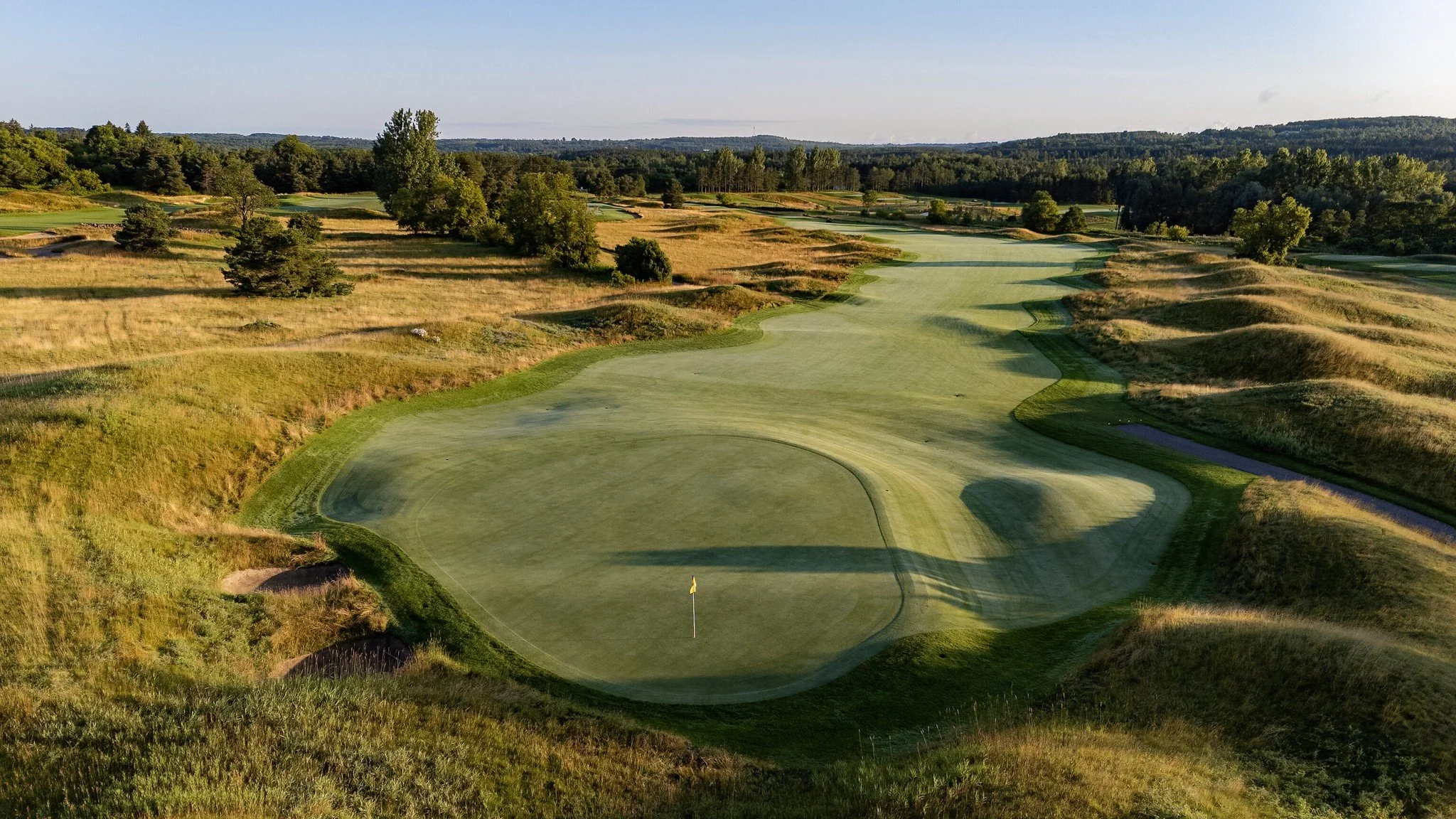
The 13th tests a player’s physical and strategic skills, centred around the large, fescue covered mound that obscures half of the green. The fairway tilts severely from left-to-right and is flanked on the right side by bunkers and thick fescue, but taking on the risk of finding those hazards nets a reward: an opening into the green around the imposing mound left of the green.
Players may aim safely away from the dangerous right side, but the longer one plays up the left side, the more difficult their subsequent shots into the green become.

14TH HOLE
PAR 4 | 418 YARDS
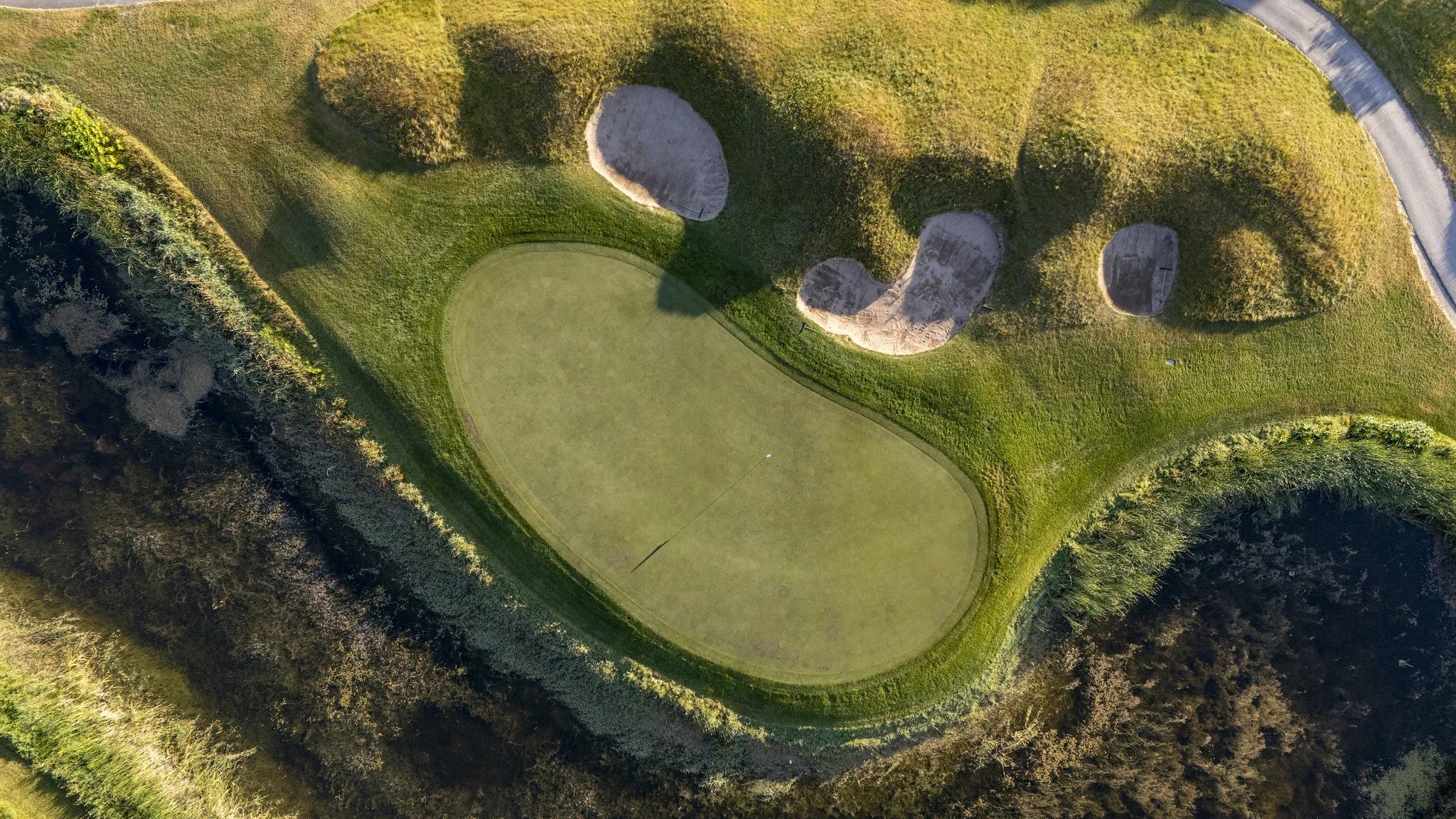
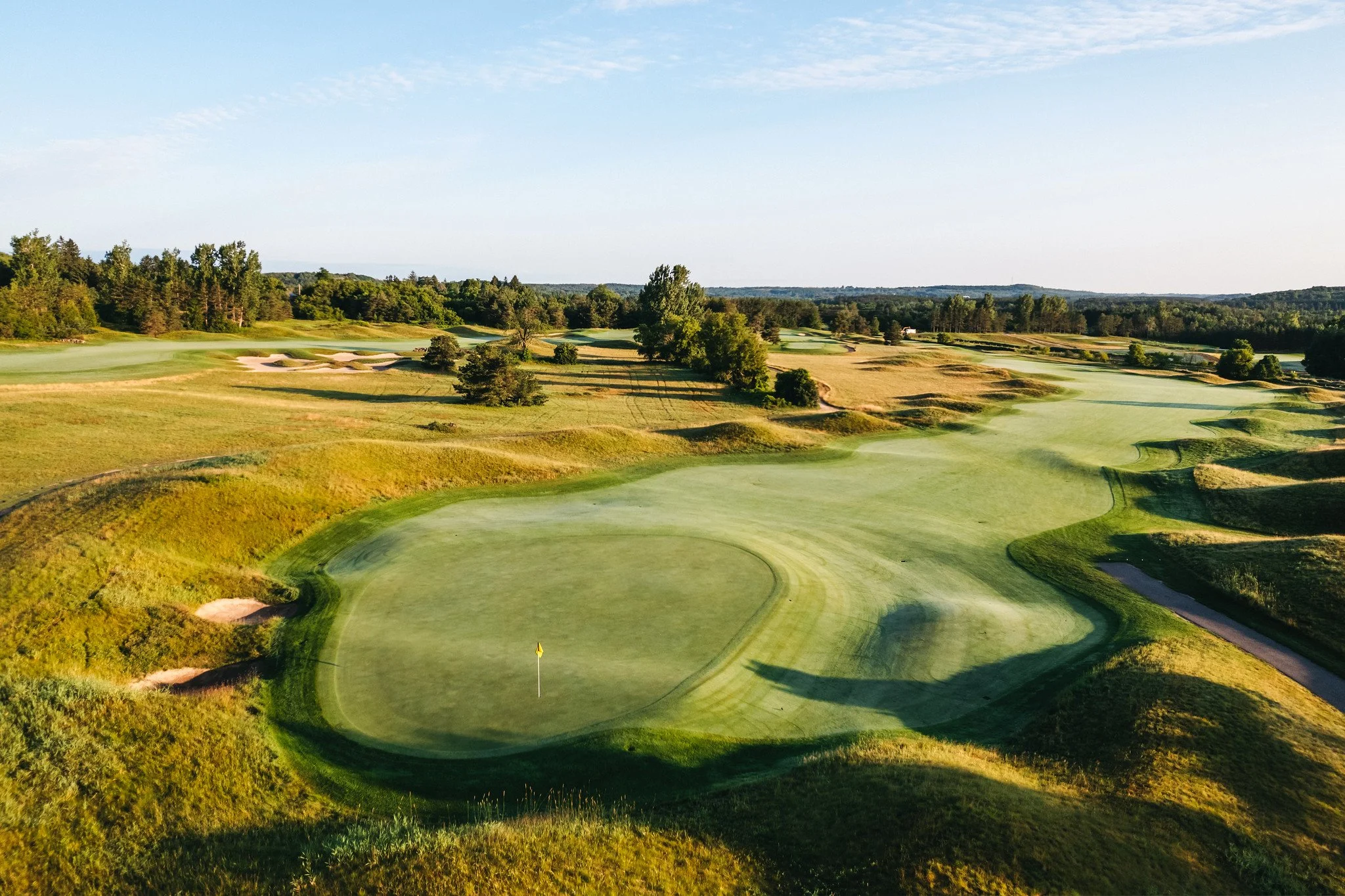
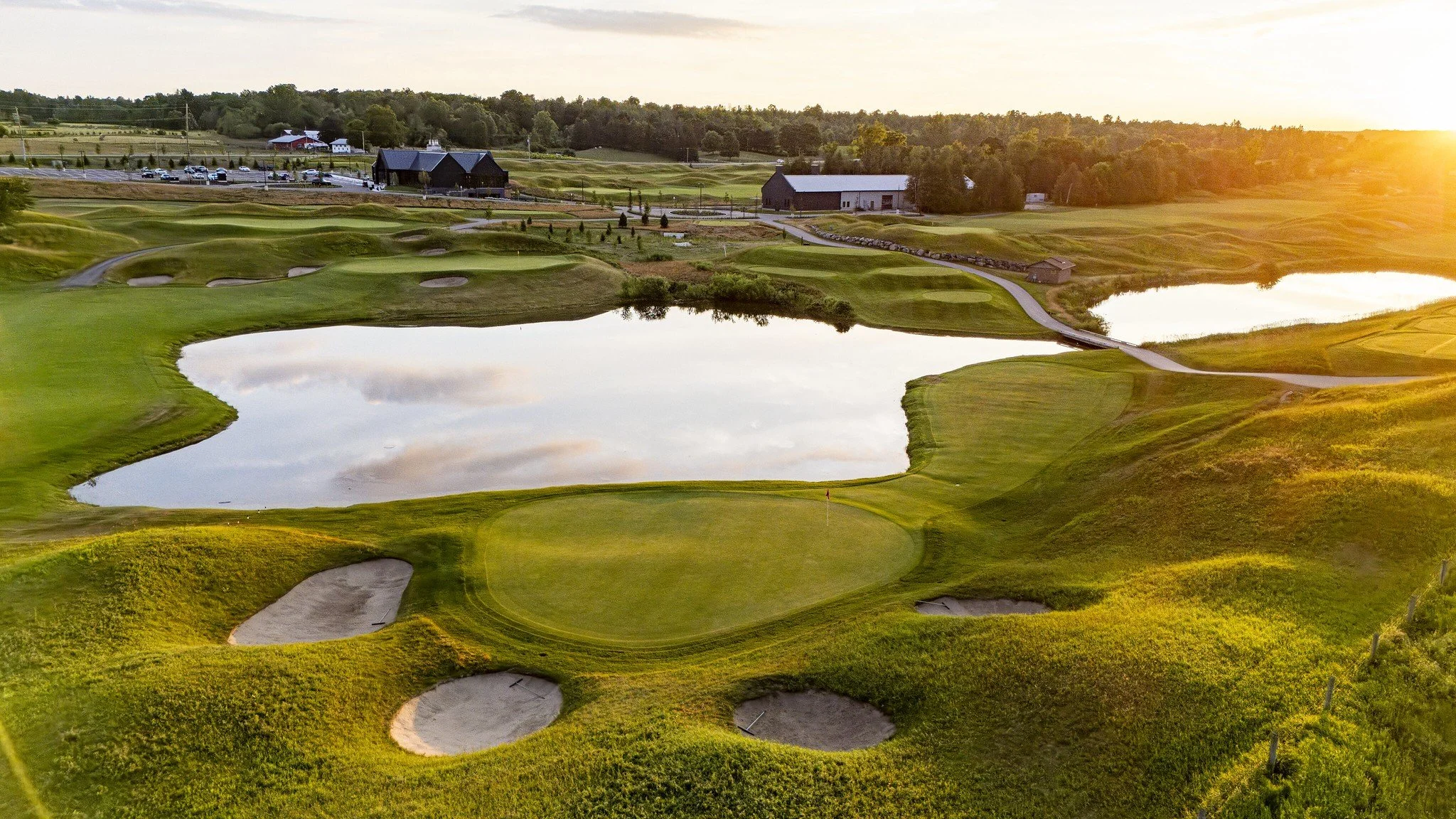
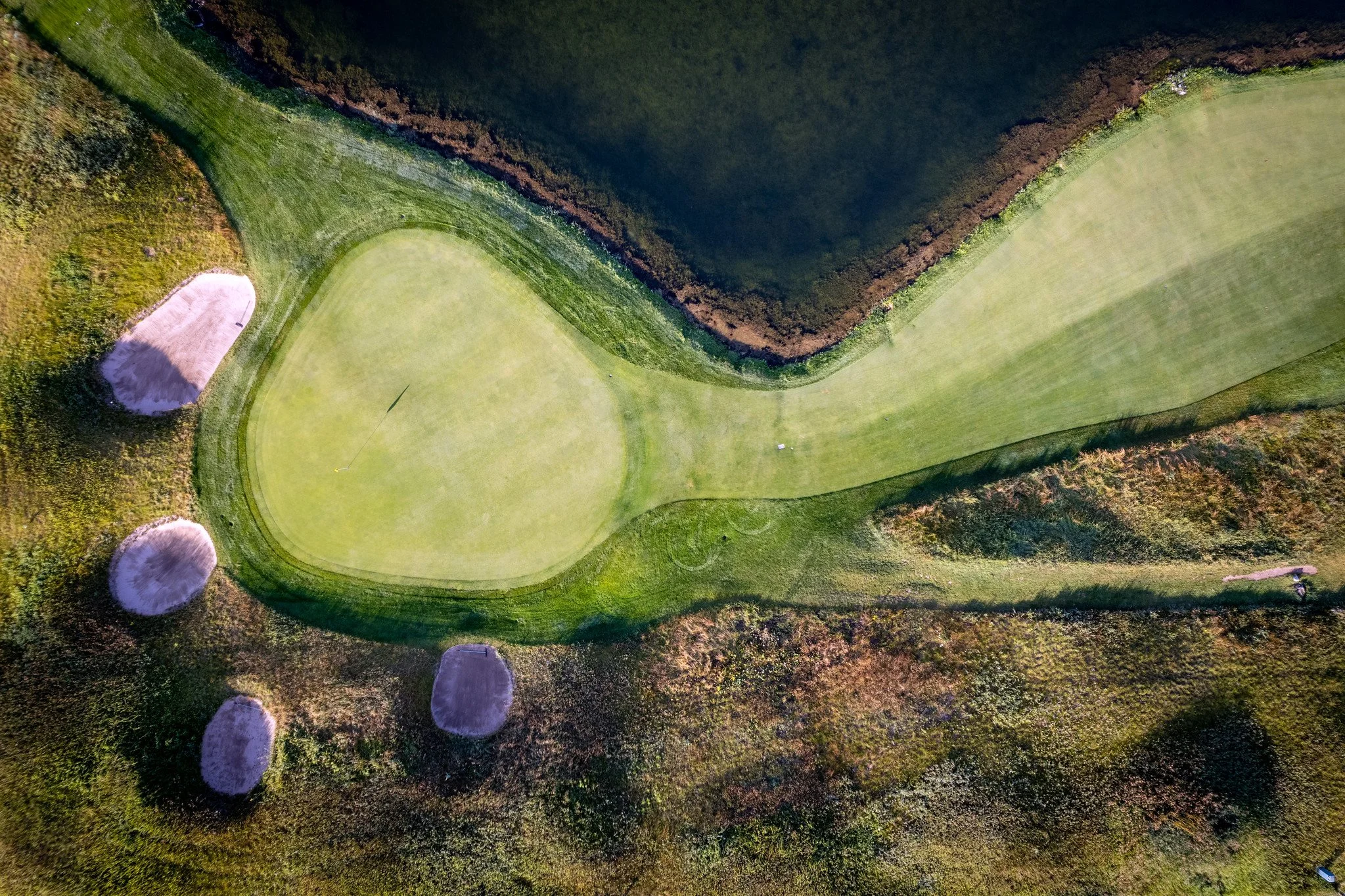
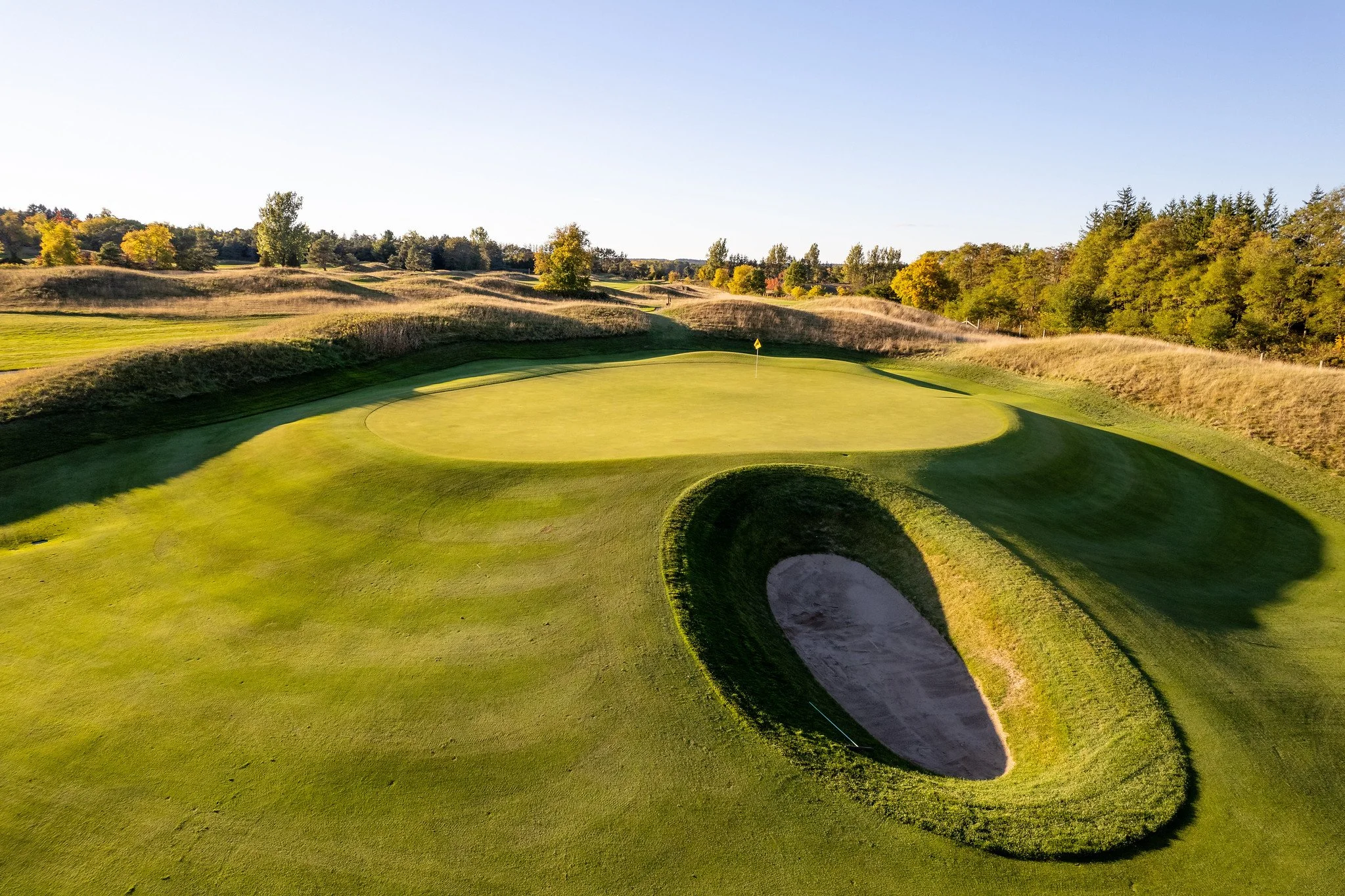
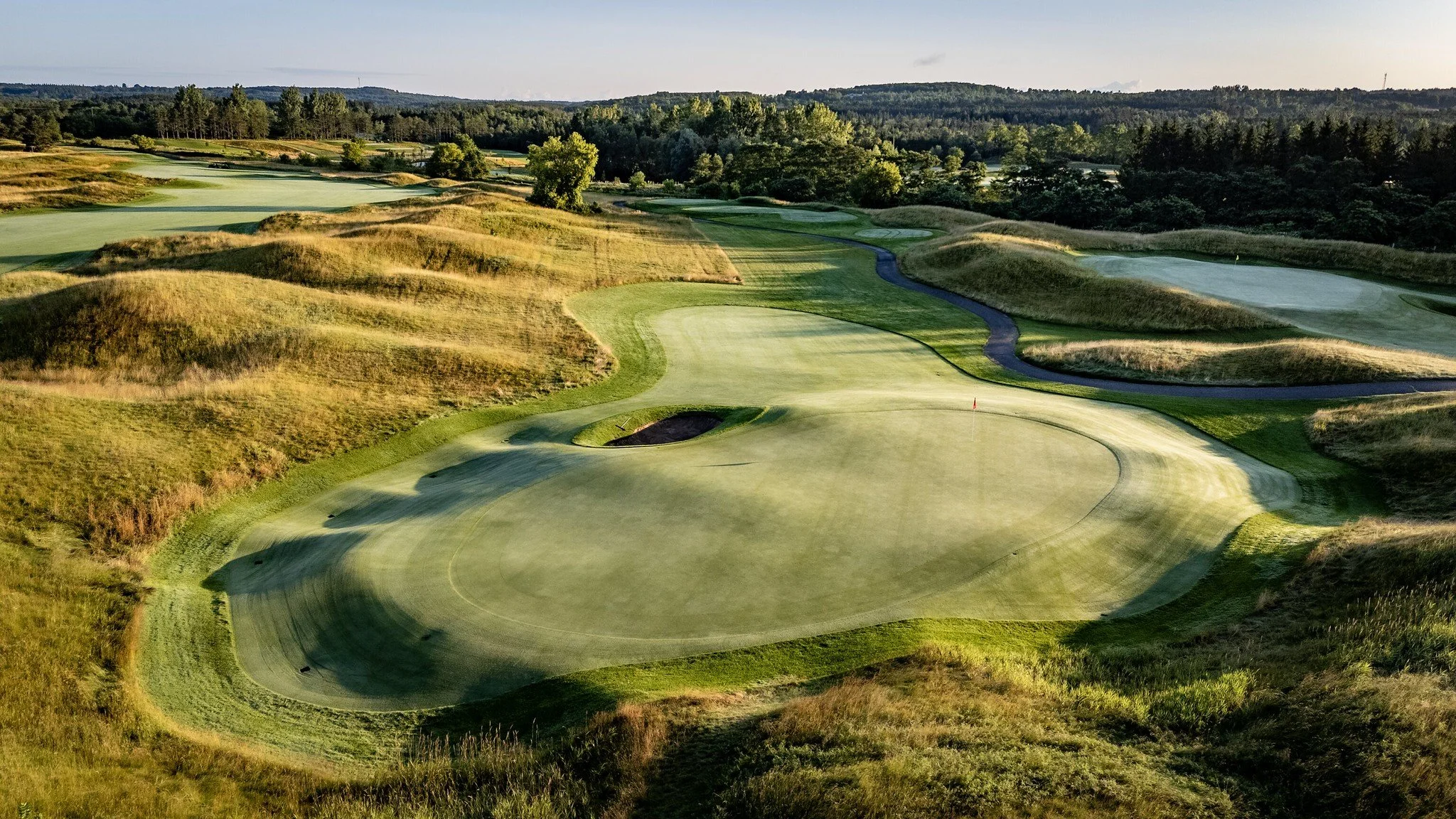
Know widely as The Rink Hole during the RBC Canadian Open, the 14th features a hilltop tee box that plays downhill to a green that Renovation Architect Ian Andrew, who worked on the original shaping of the green, says is inspired by the internal bowl shaping of Royal Melbourne’s fifth hole. The putting surface is surrounded by three distinct and deep bunkers, with the raised perimeter of the putting green offering a chance to play the ball off slopes back to the middle of the green but punishing any shots that miss the green and end up short sided.
15TH HOLE
PAR 3 | 159 YARDS
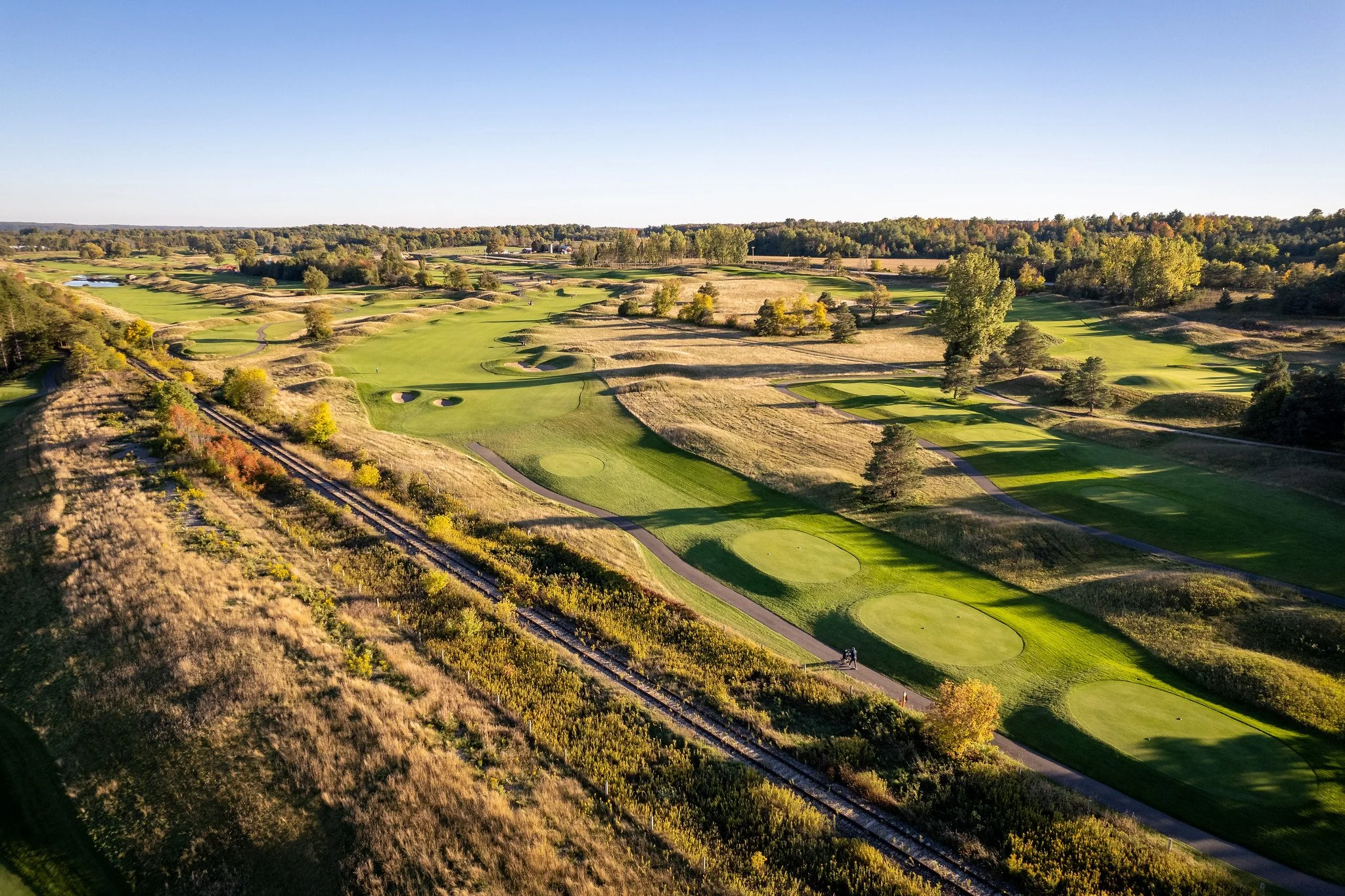
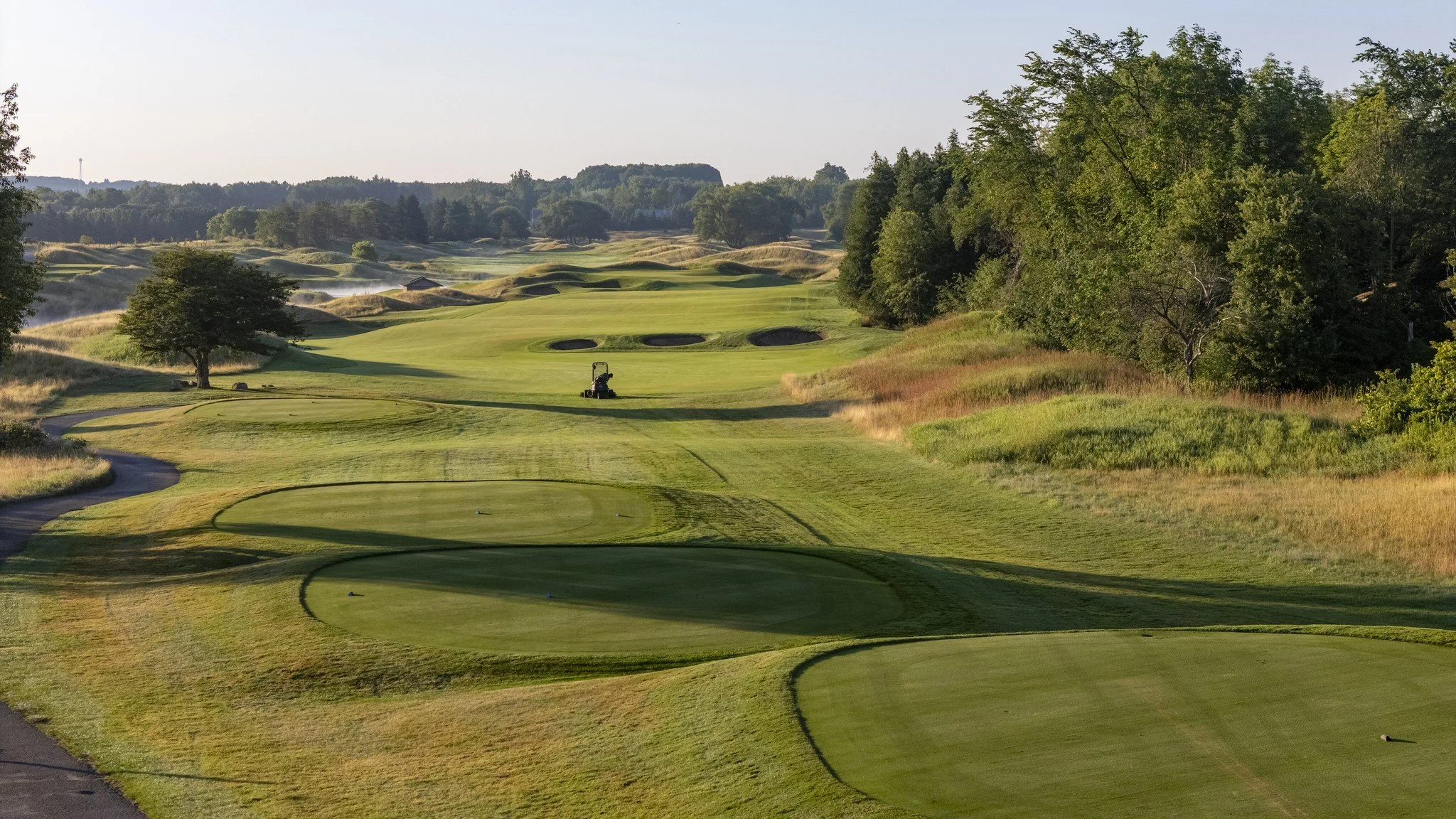
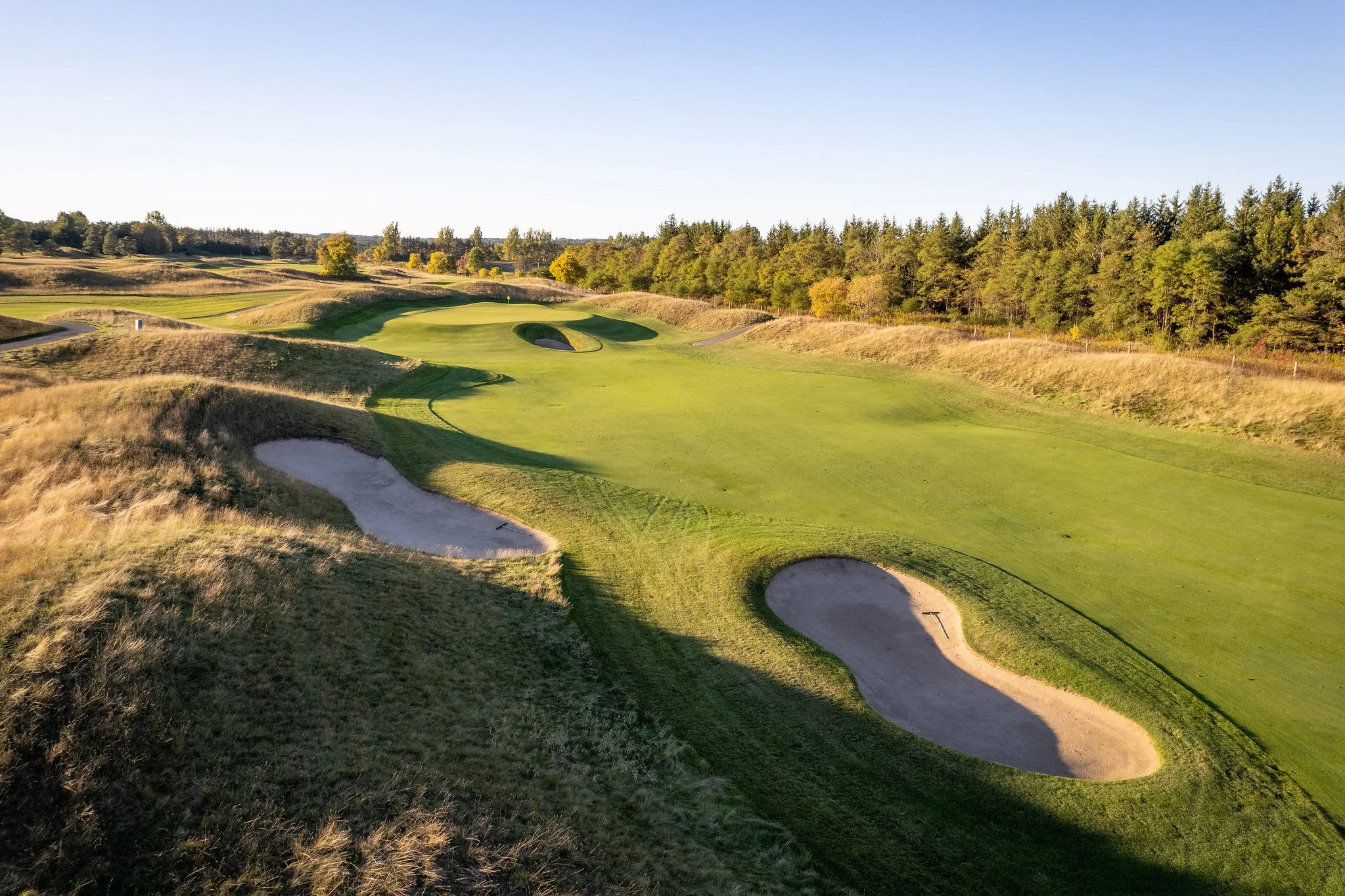
Another 'half par' scoring opportunity for high-level players, the 15th is a sharp dogleg right with a signature maple tree at the corner of the fairway. Longer, more daring players can cut the corner over the trees to set up a short approach or even drive the green, while the more conservative play out to the left side leaves a longer approach in.
A new tee box was added next to the 14th tee across the defunct railway tracks that bisect the course, extending hole to over 430 yards and making the selection of the right line off the tee essential. A deep shortgrass runoff area lies to the left of the green opposite a right-side fairway bunker, offering a variety of short game shots for players who miss the green.
16TH HOLE
PAR 5 | 561 YARDS
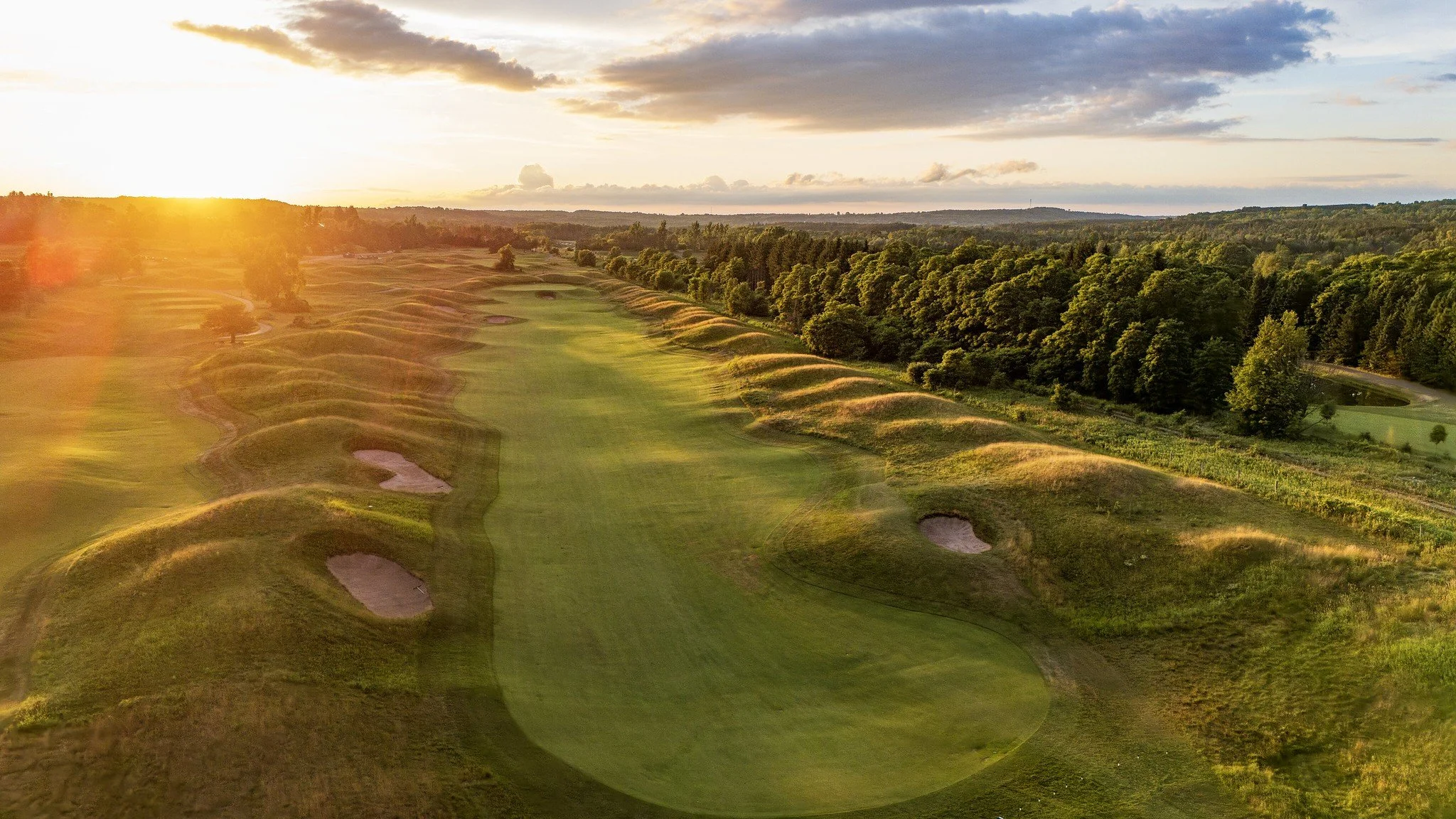
A long-par 4 that can extend to 500 yards, the 16th is what Renovation Architect Ian Andrew calls a ‘perseverance hole,’ demanding excellent long game play in contrast to more strategically versatile holes like the 15th and 18th.
The hole begins with a blind tee shot over a hill crest, revealing a dramatic downhill approach to a green that opens up from the right side and is protected by a deep greenside bunker short left. To set up an angle into this green, however, players must hit their tee shot down the riskier right side, where thick fescue lurks just out of view from the tee box. The left side of the fairway offers plenty of space to play safely, but will yield a much more challenging approach shot into one of the course’s most wildly contoured greens.

17TH HOLE
PAR 3 | 174 YARDS
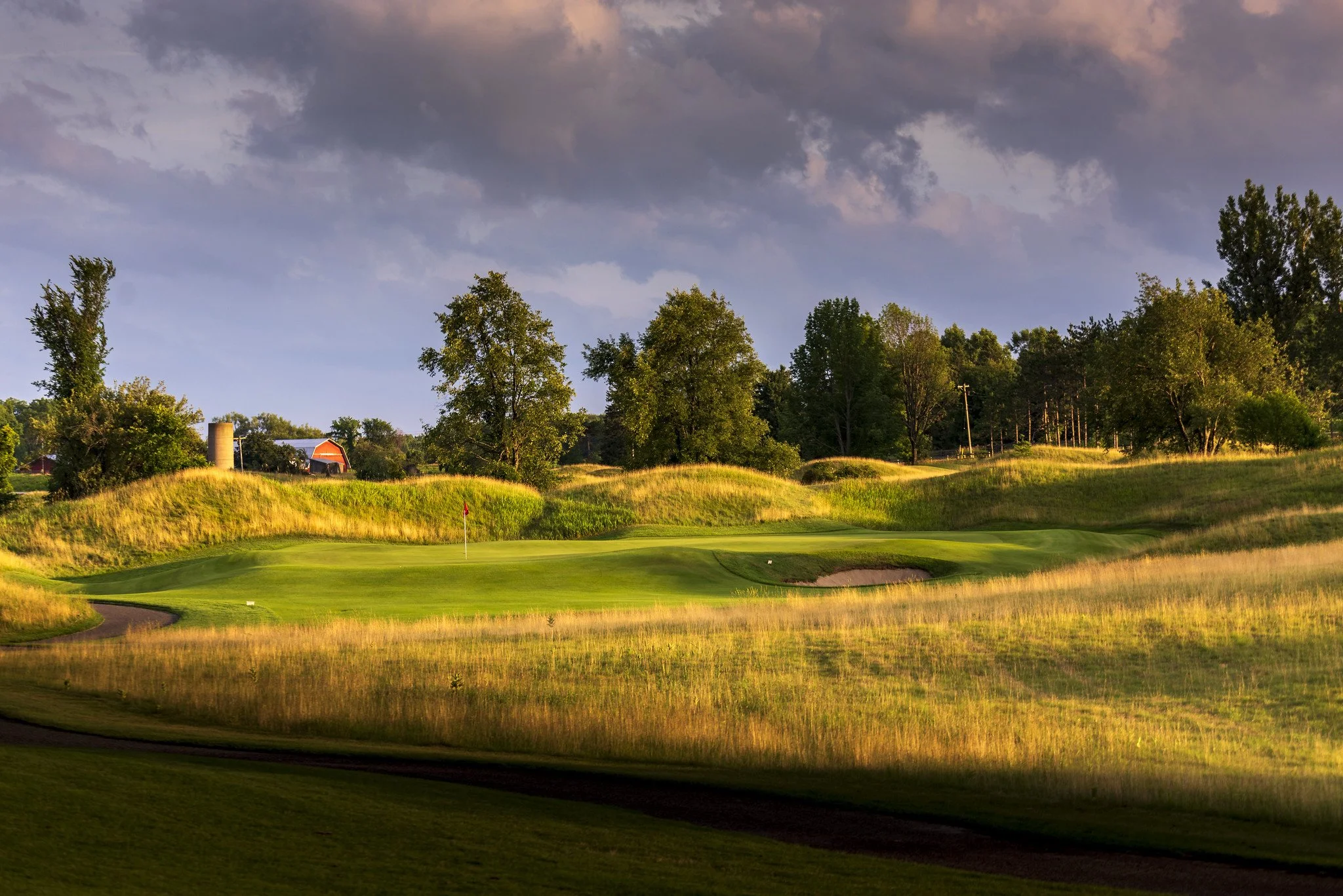
An angled fairway curves from left-to-right and is guarded by a massive fairway bunker down the right side, setting up a challenge for longer players who try to take advantage with an aggressive line. The severely right-to-left sloping green is protected by three large bunkers and a sharp drop-off slope long and left.
Matching line and distance off the tee is critical, while any shots that miss the green to the right are presented with a difficult up-and-down due to the right-to-left slope of the green.

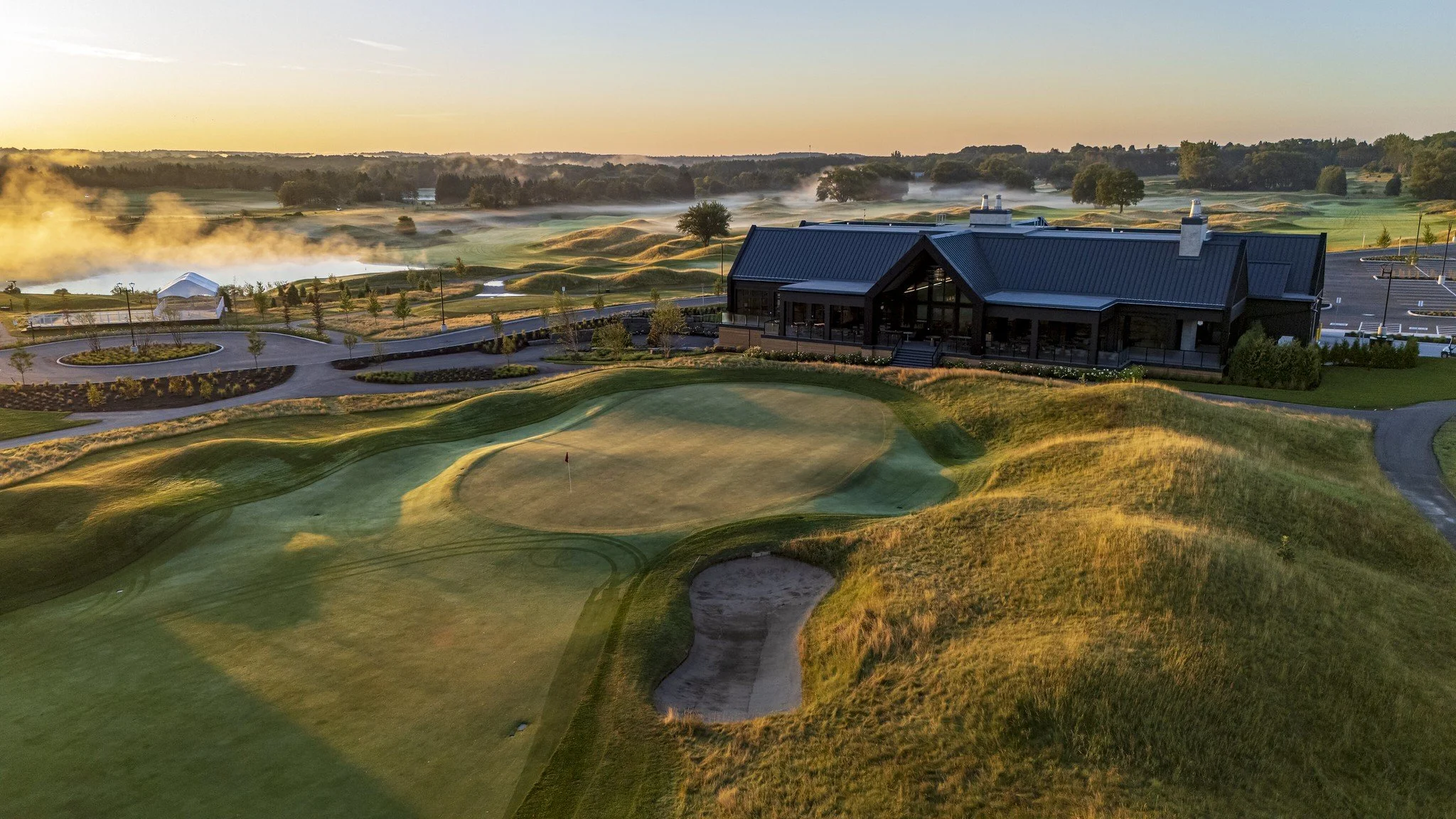
18TH HOLE
PAR 4 | 443 YARDS
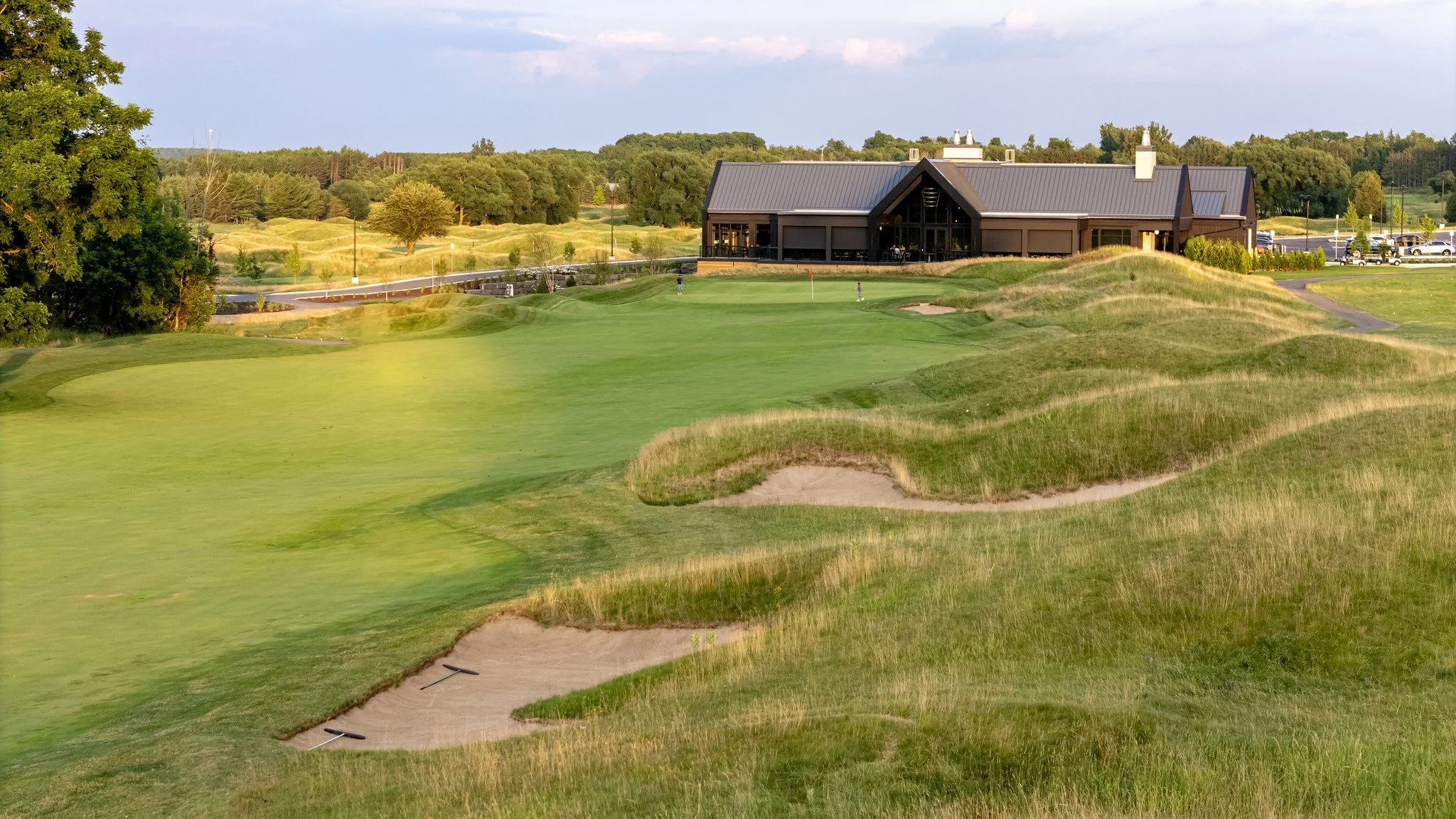
The risk-reward closing hole is built to be a dramatic closer for everything from a match with buddies to the 72nd hole of a national championship, with everything from eagle to double bogey or worse in play.
The 585-yard par-5 is set up by a series of angled bunkers down the right side, the last of which requires a 330+ yard carry to safely cover. The more tee shots can cut off, the greater the reward, as a ‘speed slot’ kicks tee shots forward and can shorten approaches by 30 yards or more. Conversely, tee shots that decline the risky line off the tee and play safely out left are faced with a more complex decision on the longer second shot.
The front and left of the green is protected by a pond and severely-sloped shortgrass runoff area, punishing shots that come up just short or left with a slow roll back to a watery demise. The net result is an opportunity for players to pull off daring risk-reward shot on both the tee shot and approach and finish the round with anything from tragedy to glory.